Kitano Shrine in Arai, Nakano, is affectionately known as Arai Tenjin. Its earlier goshuin features a plum seal associated with Sugawara no Michizane and the inscription “Arai Tenjin Kitano Shrine.” Neighbouring Arai Yakushi Baishoin is a separate temple, so check the two sites' goshuin arrangements independently.
Goshuin/Visit confirmation items for Kitano Shrine
- Photo of goshuin
- A goshuin received at Kitano Shrine on an earlier visit. Its present design and availability may differ.
- Dedicated information for goshuin
- The official pages checked did not confirm dedicated goshuin hours, offerings or whether inscriptions can be written directly in your book.
- Contact
- The official shrine-office enquiry hours are 9:00–16:00. These should be distinguished from dedicated goshuin hours.
- Address
- 4-14-3 Arai, Nakano-ku. Kitano Shrine with the same name can be found in various places, so be sure to check the place name as well.
Plum seal and the grounds of Arai Tenjin
The plum design recalls Tenjin worship. The original visit also explored subsidiary shrines, the cow statue stroked for blessings and the strength stones. Take time to pay your respects before heading to the goshuin counter.
The earlier account's subsidiary-shrine and Tori-no-Ichi goshuin arrangements date from its publication. Dates and designs may have changed. Ask the shrine office about a particular goshuin separately from general visiting arrangements.
Access and location map
Officially, it is a 10-minute walk along Nakano-dori from the north exit of Nakano Station on the JR Chuo Line. As redevelopment is progressing around Nakano Station, please check the latest transportation information before using the bus stop or walking route. If you are using the Seibu Shinjuku Line, the nearest station is Arai Yakushi-mae Station.
Location: 4-14-3 Arai, Nakano-ku, Tokyo.
Open Kitano Shrine on Google Maps/Check route
Previous visit records and photos (posted in 2014)
The following account preserves the original visit experience and historical introduction. The photographs and encounters at the counter date from that publication; they do not describe a new visit. Old access instructions have been replaced by the checked information above. Historical accounts and spiritual benefits are presented as traditions and beliefs.
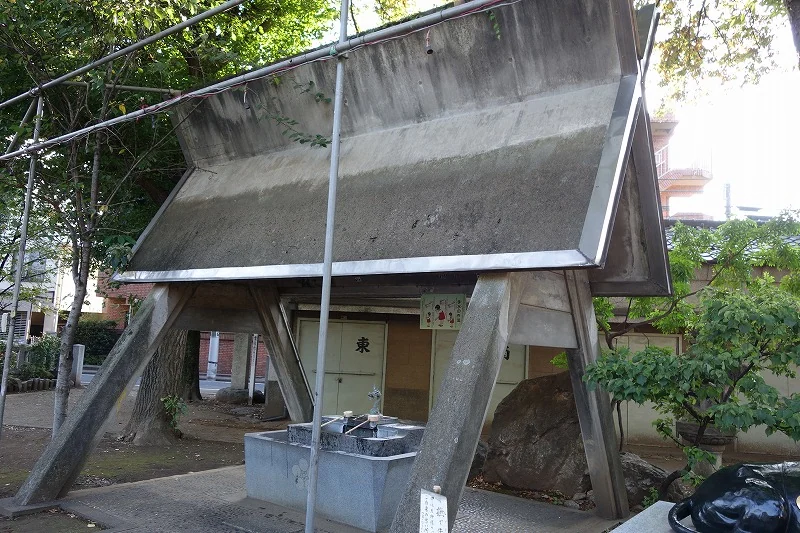
Located a few minutes walk from Arai Yakushi, this shrine has been popularly known as "Arai Tenjin" since ancient times.
There is a well within the shrine grounds that is said to be the origin of the place name "Arai" and is still in use today.
History and traditions
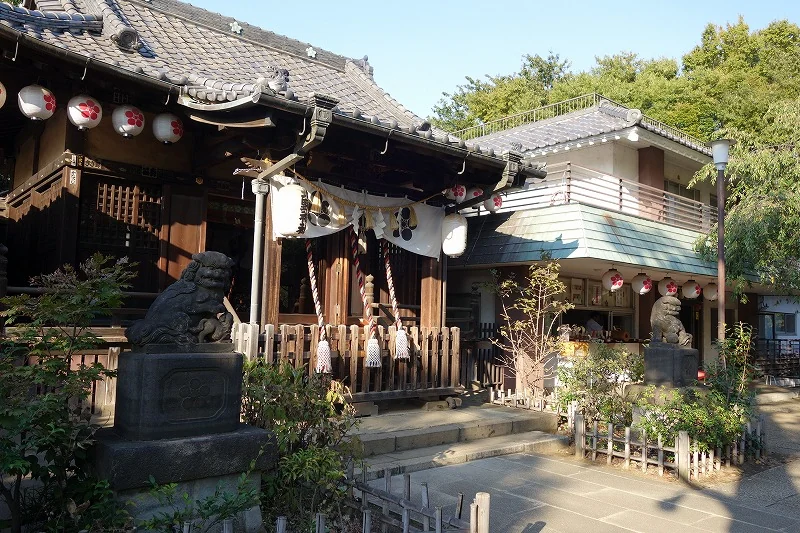
It is not clear when it was founded, but it is said that it was called Tenmangu Shrine in ancient times.
It is said that it was built by Shamon Yukiharu, the founder of Arai Yakushi, during the Tensho era (1573-1592), and that it was the local shrine even before that.
Enshrined deities Sugawara no Michizane (God of both literary and martial arts) and Hoshokugami (controlling food).
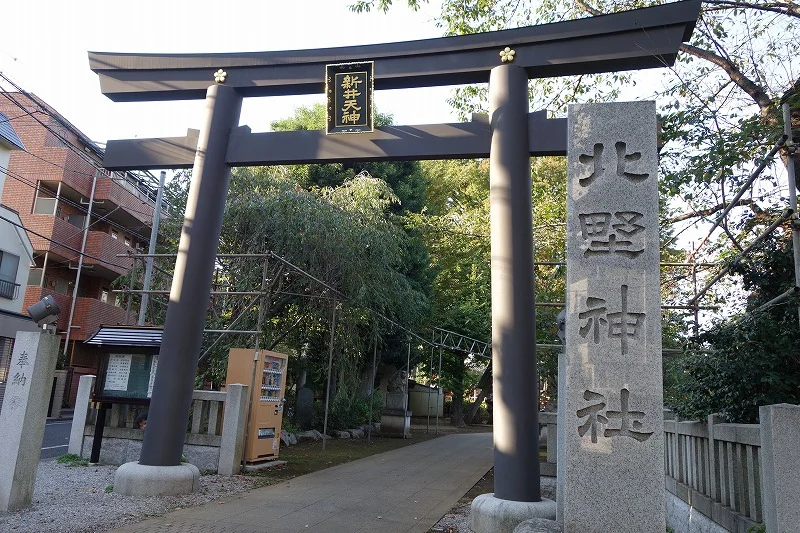
An entry in the surviving historical record “Baishoin Engi” relates:
Several generations after the founder Gyoshun, the chief priest Genkyo is said to have dedicated a plum tree he planted himself to Kitano Tenmangu during the Tenna era.
[Academic success], [Children's growth], [Wife safety], [Family prosperity], [Business prosperity], [Construction safety], [Traffic safety], [Warding off evil spirits]
Sugawara no Michizane, enshrined as Tenjin, is revered as a deity of learning. A renowned scholar who rose to Minister of the Right, he is associated with academic success, children's development, family safety and prosperity, successful business, safe construction and travel, and protection from misfortune.
Inari Shrine
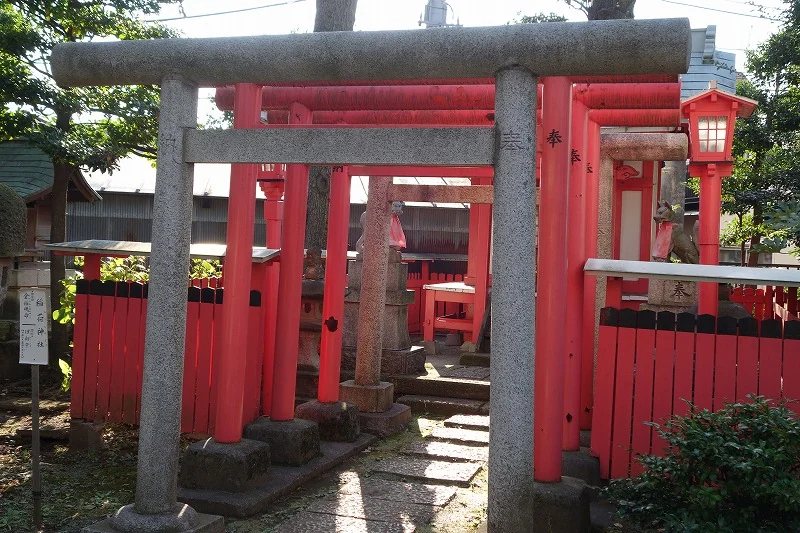
Enshrined deity: Uganomitama
He is the god of rice and is said to be the god of fertility and happiness for all people.
Precinct shrine Otori Shrine
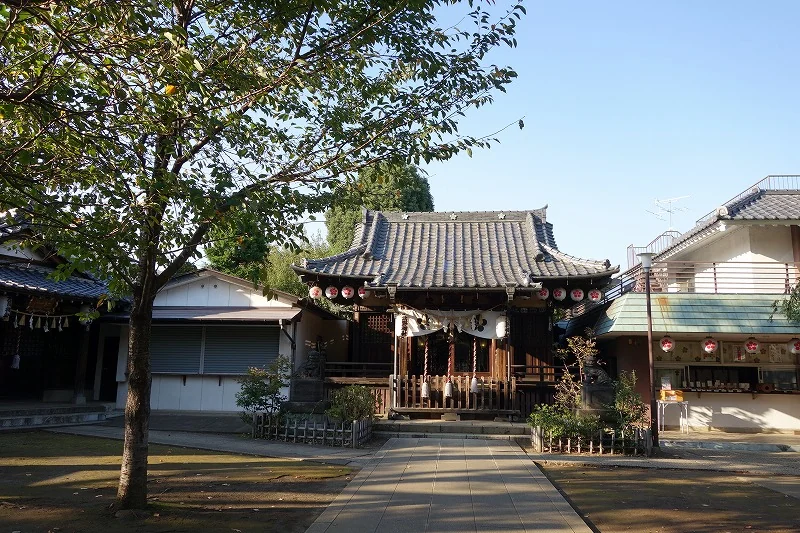
Enshrined deity Yamato Takeru
Yamato Takeru, who conquered many countries, turned into a large white bird and was enshrined at the Otori Shrine in Sakai City, Osaka, where he landed.
Otori worship became associated with victory and good fortune, symbolised by a large bird's rake-like feet gathering luck. Many visitors attend the Tori-no-Ichi fair in November.
Stroking the cow
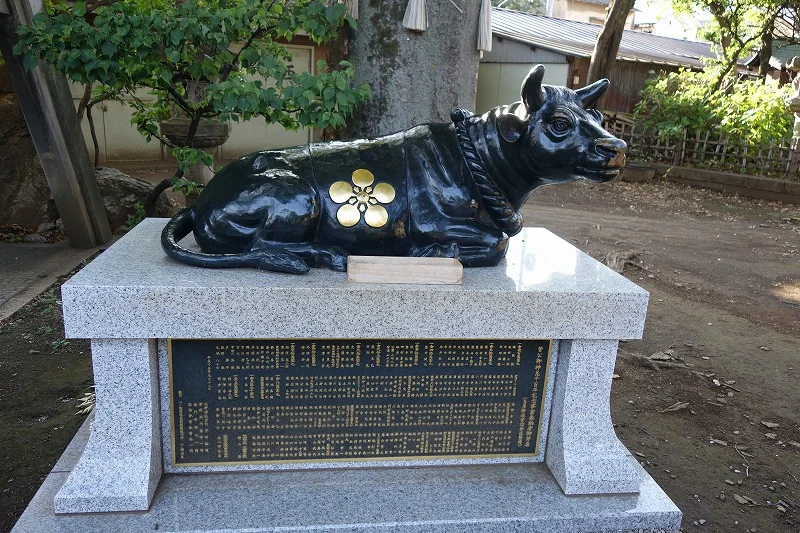
It is said that if you stroke a bad or unwell part of your body and then stroke the same part of the cow, the bad part will be transferred to the cow and the disease will be cured.
According to the tradition, stroking the cow while making a wish may bring fulfilment of that wish as well as healing.
I saw a similar cow statue at Kyoto's Kitano Tenmangu. Cows are regarded as messengers of Sugawara no Michizane, so statues of these sacred animals are common at shrines dedicated to him.
Chikaraishi
In the past, 13 large stones were dedicated to the shrine, which were said to have been used by young people to gather and show off their strength during festivals.
Notes from the visit
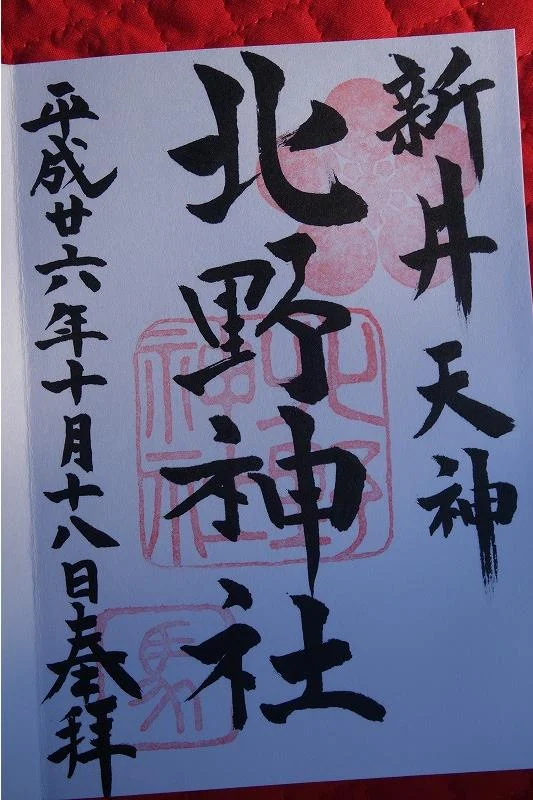 I received goshuin at the shrine office next to the main shrine.
It is said to be Sugawara no Michizane's favorite, and is stamped with a plum, a symbol of Tenjin.
At the time, three goshuin were available in total, including Inari Shrine's and an Otori Shrine goshuin issued only on Tori-no-Ichi days.
Sources and scope of verification
- [Official] Arai Tenjin Kitano Shrine: 4-14-3 Arai, Nakano-ku, office inquiries 9:00-16:00. The prayer amount and goshuin are different.
- [Official] Arai Tenjin Kitano Shrine: Official access page.
Official sources were checked on 2026-11-07. Dedicated goshuin hours, offerings, inscription methods and current subsidiary-shrine or Tori-no-Ichi arrangements remain unconfirmed. Designs, prices and arrangements shown in older photographs may have changed.
Goshuin and travel information has been checked against official and other cited sources, with unconfirmed points identified. Earlier photographs and personal experiences remain records of their original visits. Check the stated dates for limited designs.