Discover goshuin in Chiba and Tokyo.One goshuin. A new connection.
FIND YOUR NEXT VISIT

Go to a place you are drawn to.

From temple and shrine names, regions, and words of interest. You can search for 45 reading materials.

Refine articles

Area
Stories

45 articles

Tokyo

Sakura Jingu

Check the official information about the differences between Sakura Jingu's monthly rotation goshuin, goshuin handwritten directly in your book and pre-written goshuin on a separate sheet, and the distribution conditions of goshuin book. We will also introduce access and maps from Sakurashinmachi Station.
Published · 2016.01.13
Tokyo

Koiwa Shrine

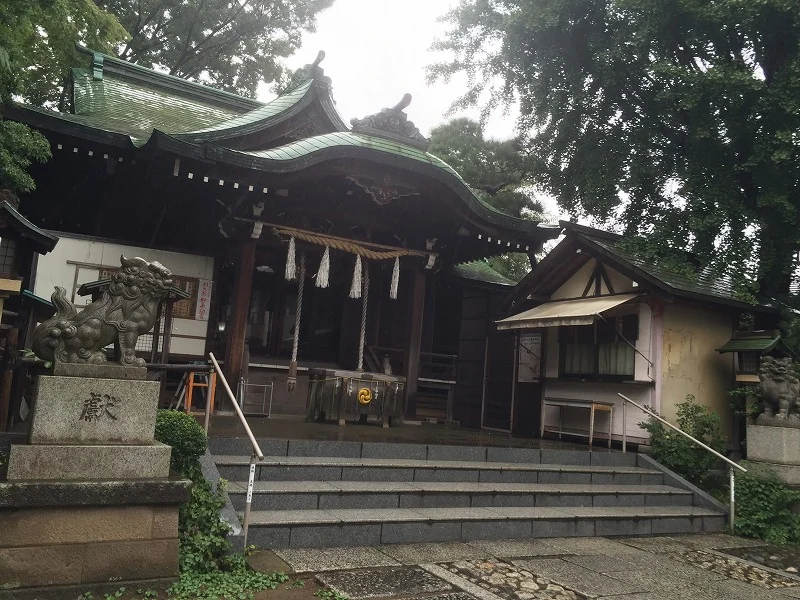
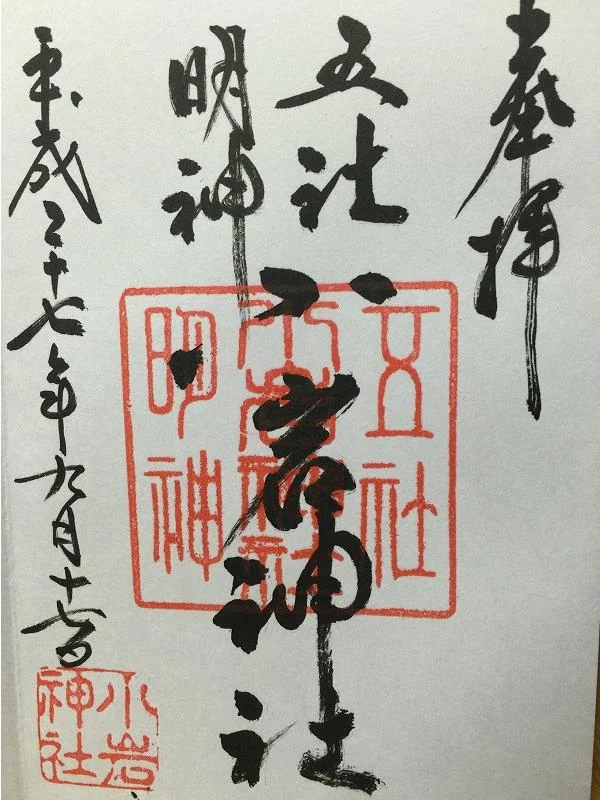
Koiwa Shrine's former goshuin/precinct photos and access from Koiwa Station according to official information. We have summarized the points that need to be confirmed in advance at the goshuin reception and a map.

Posted · 2015.11.27
Chiba Prefecture

Katsushika Hachimangu

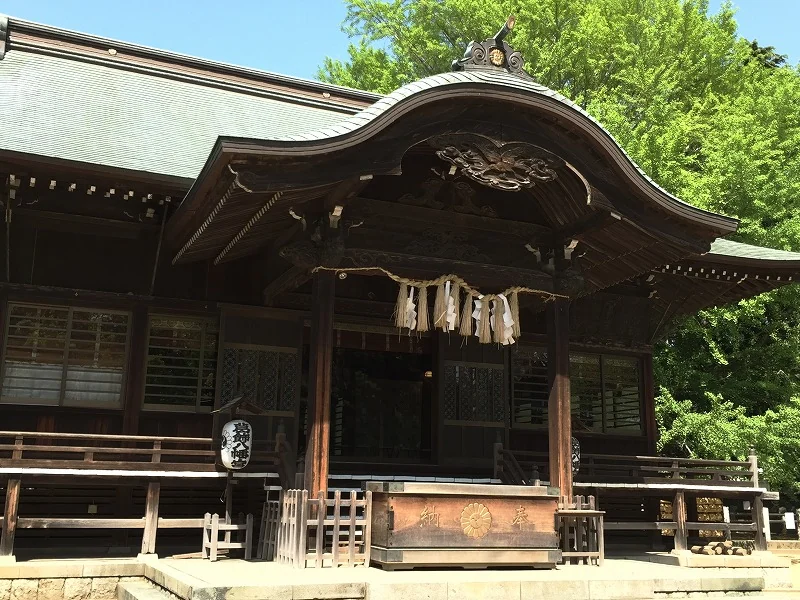
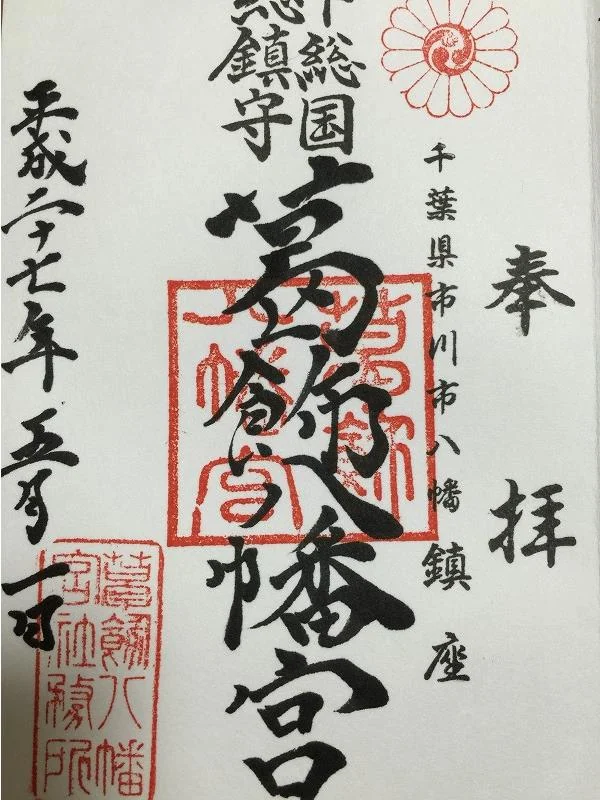
Goshuin at Katsushika Hachimangu are generally available from 9:00 to 16:00. The three designs listed on its official website each require an offering of ¥500. Find official information on handwritten goshuin, parking and access.

Published · 2015.11.26
Chiba Prefecture

Koenji Temple

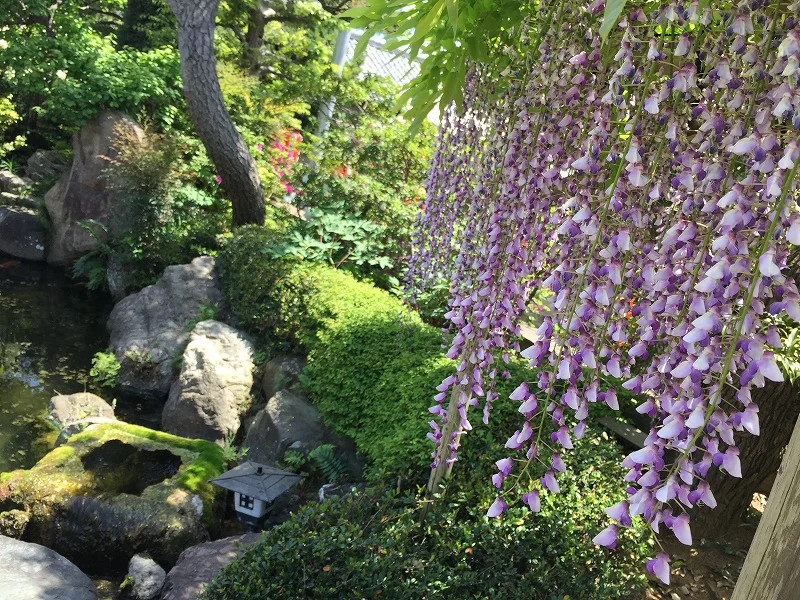
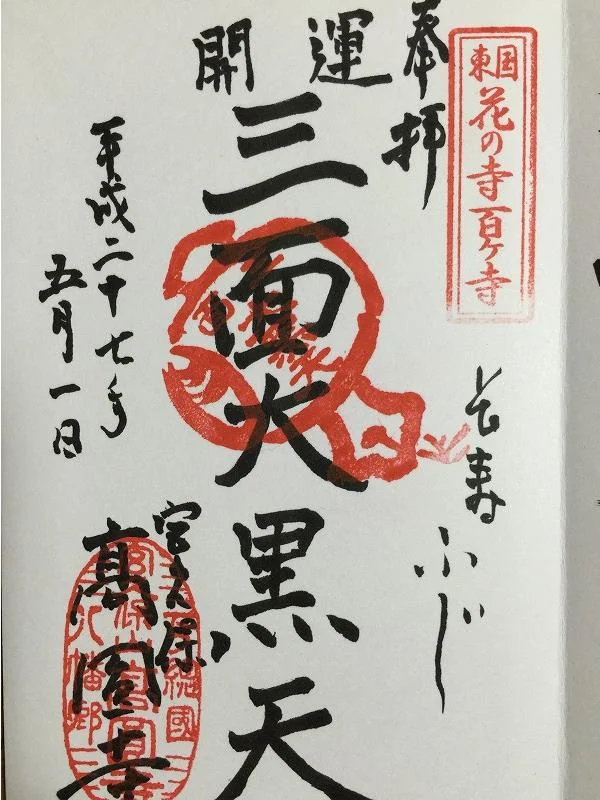
Koenji Temple in Ichikawa City is a Nichiren sect temple known for its long hanging wisteria flowers and three-faced Daikokuten. In addition to the previous photos of goshuin and the temple grounds, we have added highlights and access information based on the official guide to Eastern Japan Flower Temples. The location is different from Koenji in Suginami Ward.

Published · 2015.11.25
Tokyo

Imado Shrine

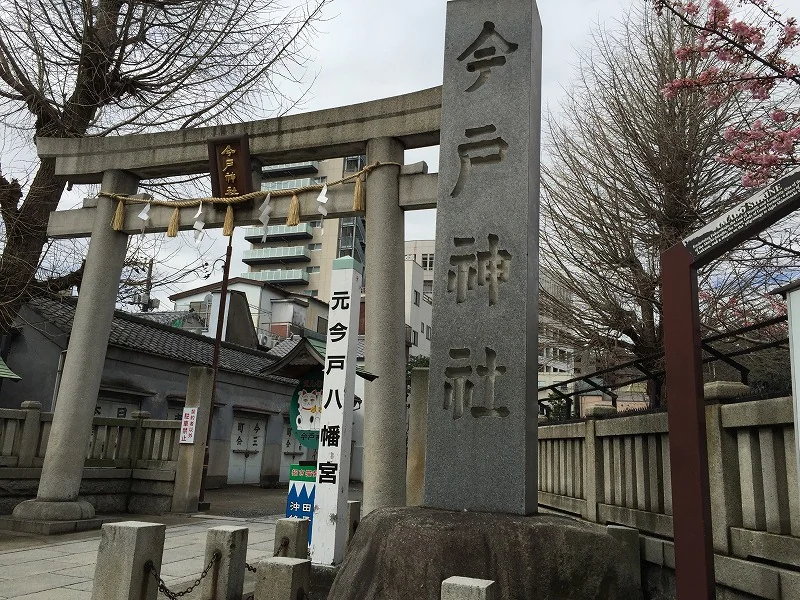
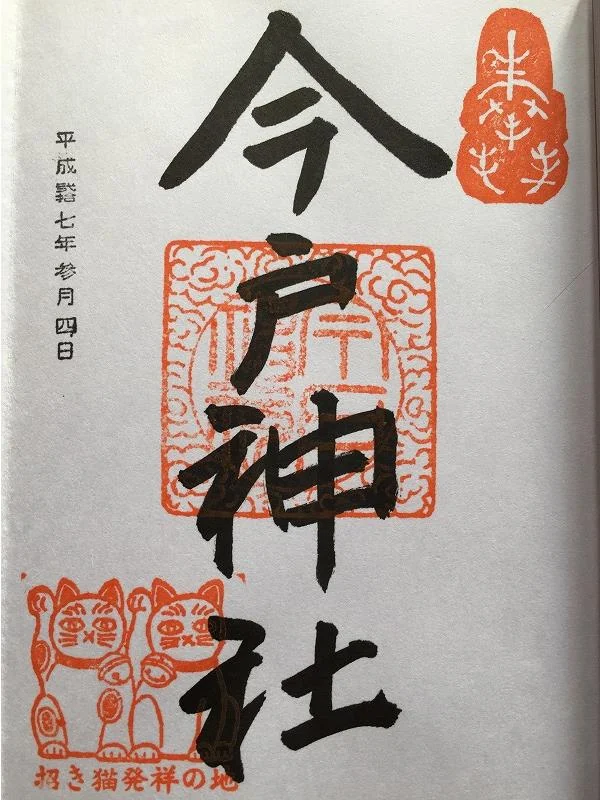
Imado Shrine in Taito, Tokyo, is known for matchmaking and beckoning cats. Earlier goshuin and grounds photographs are presented alongside the official separate-sheet goshuin policy and current visiting information.

Published · 2015.03.16
Tokyo

Matsuchiyama Shoden

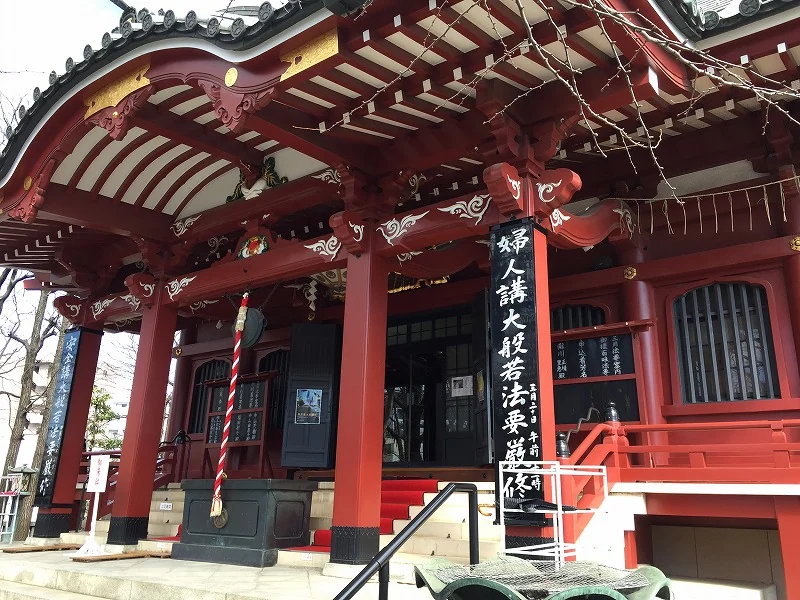
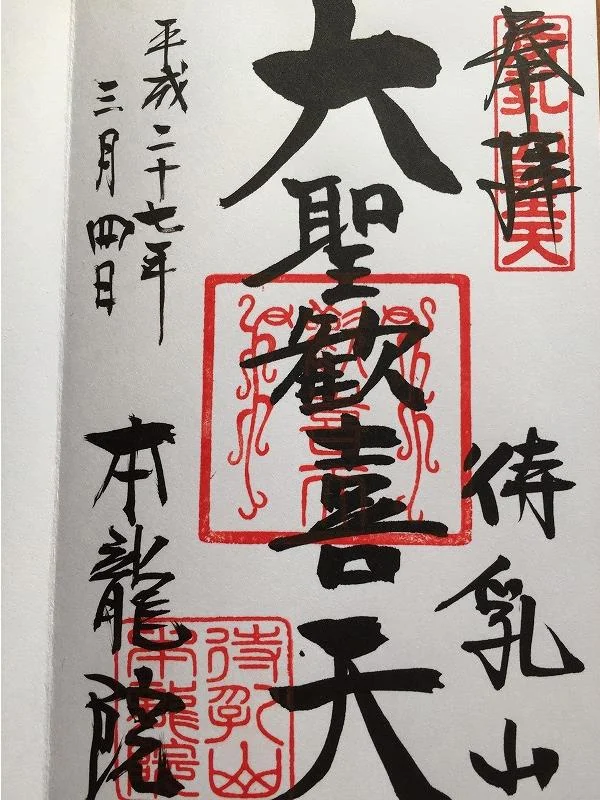
Matsuchiyama Shoden in Asakusa is the familiar name of Honryuin Temple, known for daikon and money-pouch motifs. Alongside a Daisho Kangiten goshuin from an earlier visit, this guide distinguishes the main hall's opening hours from the temple office's hours.

Published · 2015.03.13
Basic knowledge of goshuin

Goshuin Etiquette

The key to receiving goshuin is respecting worship and the shrine or temple's instructions. Begin by checking where, when and how to ask, rather than worrying about complicated etiquette. This guide walks through situations that often puzzle first-time visitors.

Published · 2015.02.05
Chiba Prefecture

Michinobe Hachimangu

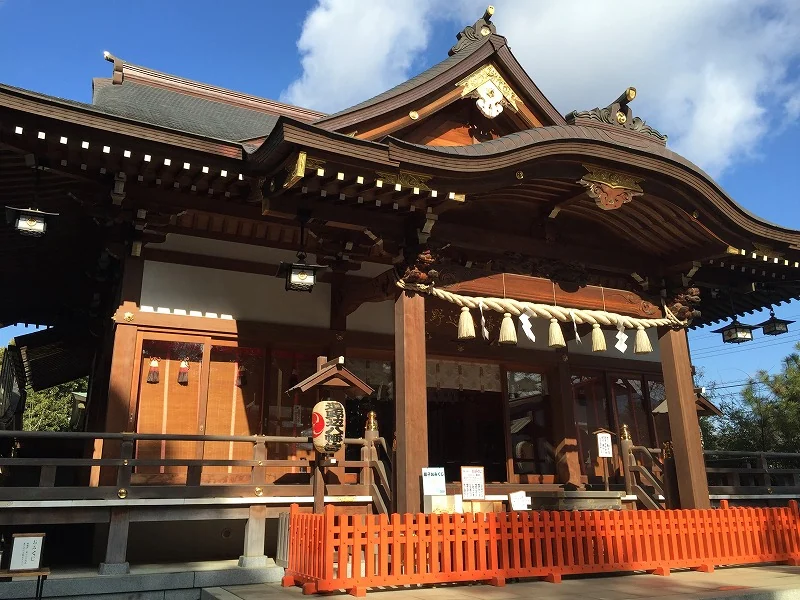
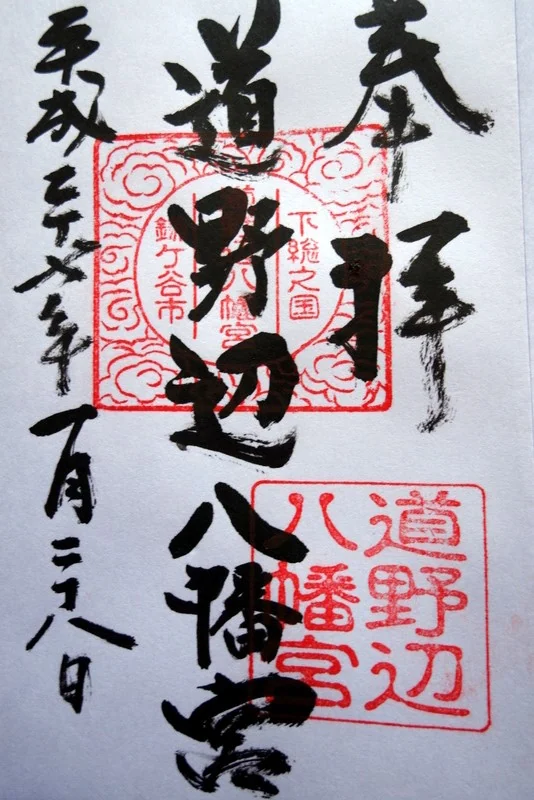
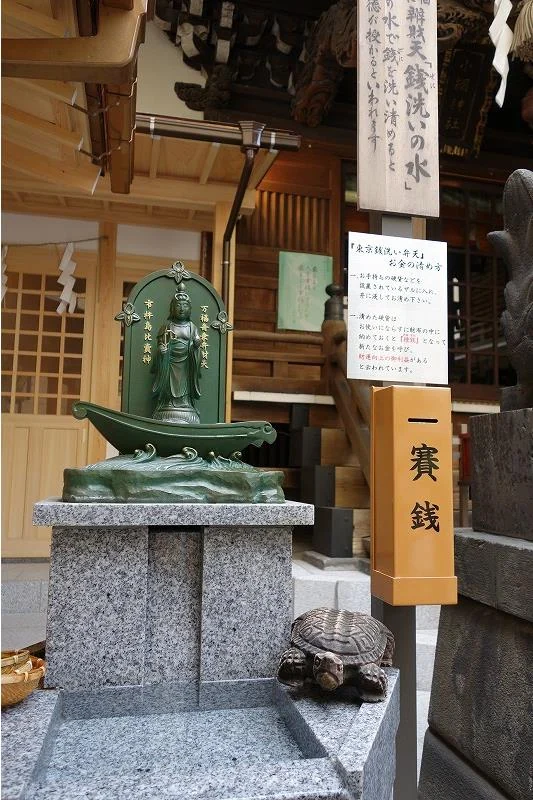
Michinobe Hachimangu is near Kamagaya Station. See goshuin and shrine photographs from an earlier visit, alongside official access information. Prayer-service hours are clearly distinguished from any confirmed goshuin hours.
Published · 2015.02.05
Tokyo

Shoin Shrine

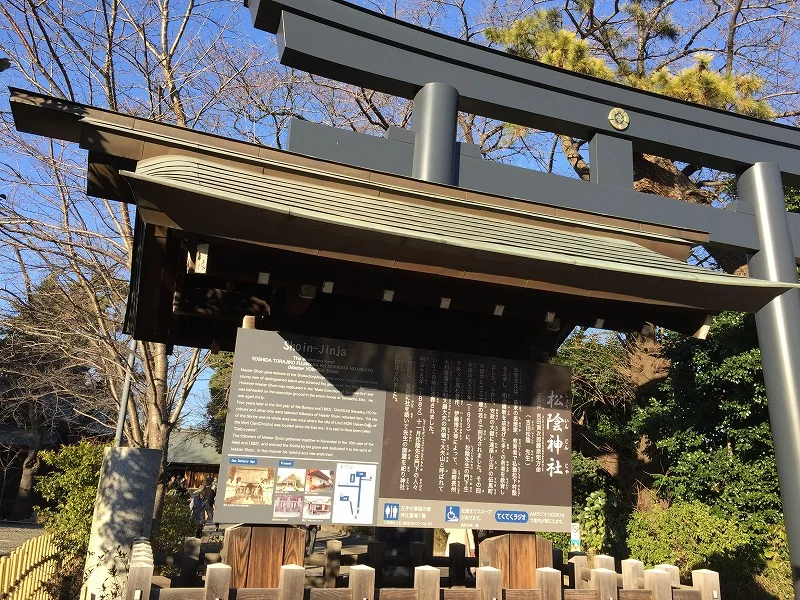
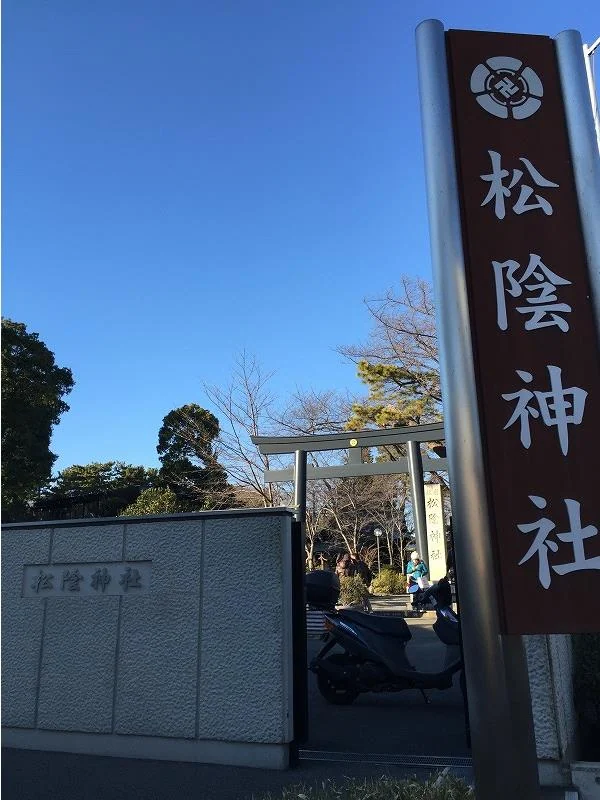
Shoin Shrine in Setagaya, Tokyo, enshrines Yoshida Shoin. Earlier goshuin photographs are accompanied by official access information and advice on checking office closures. This guide concerns Setagaya, rather than the shrine of the same name in Hagi.

Published · 2015.02.02
Tokyo

Kitano Shrine

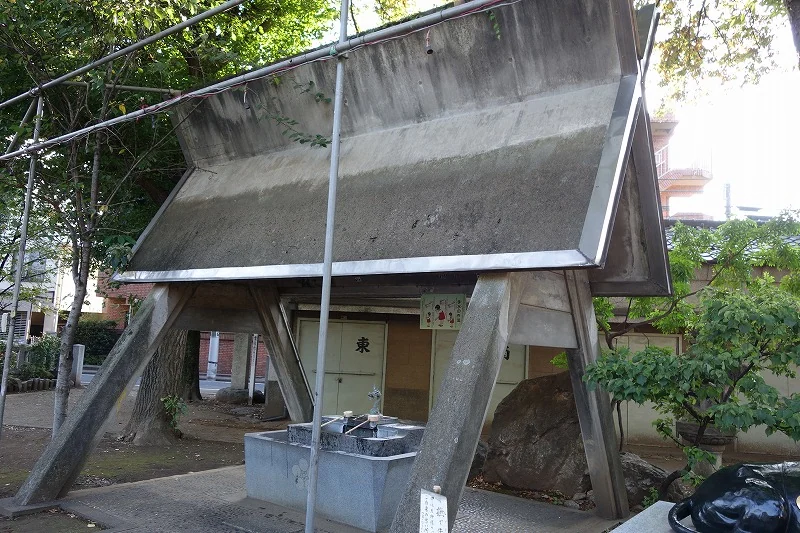
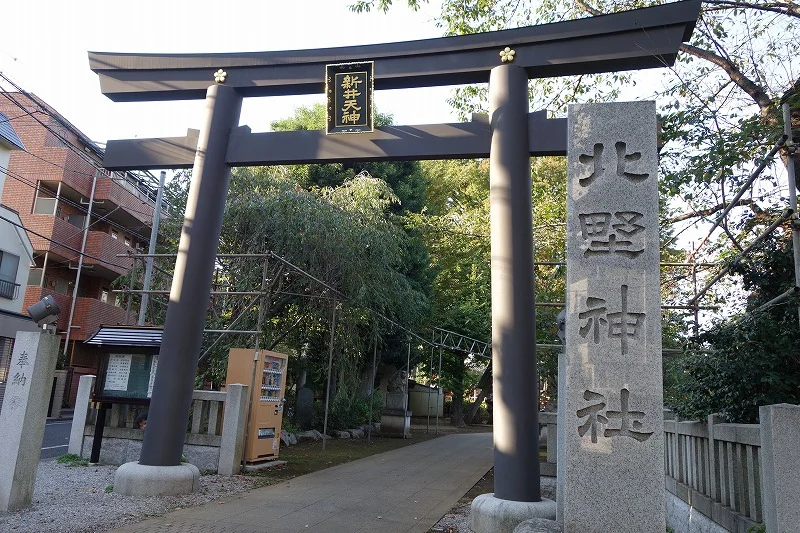
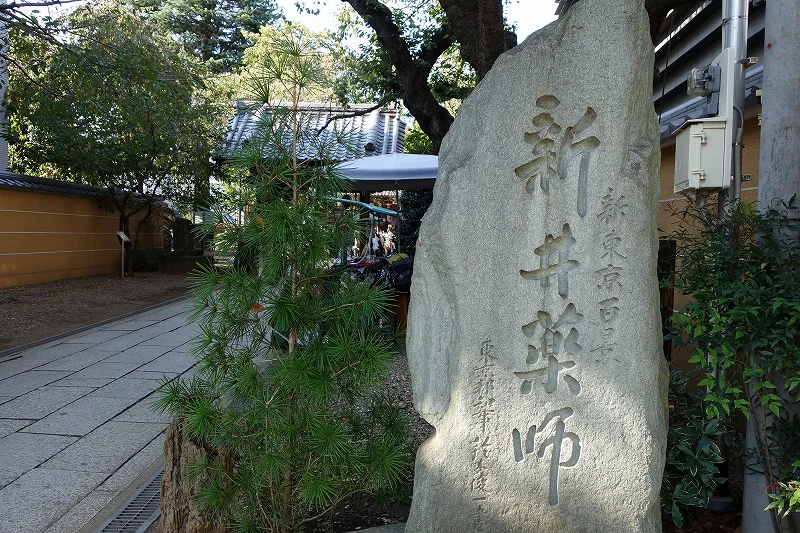
Kitano Shrine in Arai, Nakano, is affectionately known as Arai Tenjin. Its earlier goshuin features a plum seal associated with Sugawara no Michizane and the inscription “Arai Tenjin Kitano Shrine.” Neighbouring Arai Yakushi Baishoin is a separate temple, so check the two sites' goshuin arrangements independently.

Posted · 2014.12.12
Tokyo

Arai Yakushi Baishoin

Arai Yakushi Baishoin in Nakano is a Shingon sect temple known for its visits to the Yakushi. I have kept the photo of goshuin that I received previously, and have organized the official visit time and transportation. Depending on the reception/memorial situation, we may not be able to accommodate your desired goshuin, so please don't make too many plans.

Posted · 2014.12.12
Tokyo

Takagi Shrine

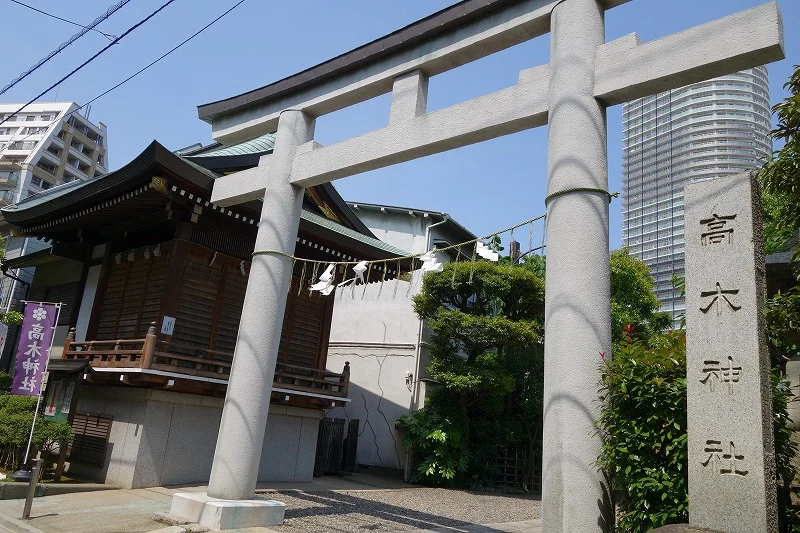
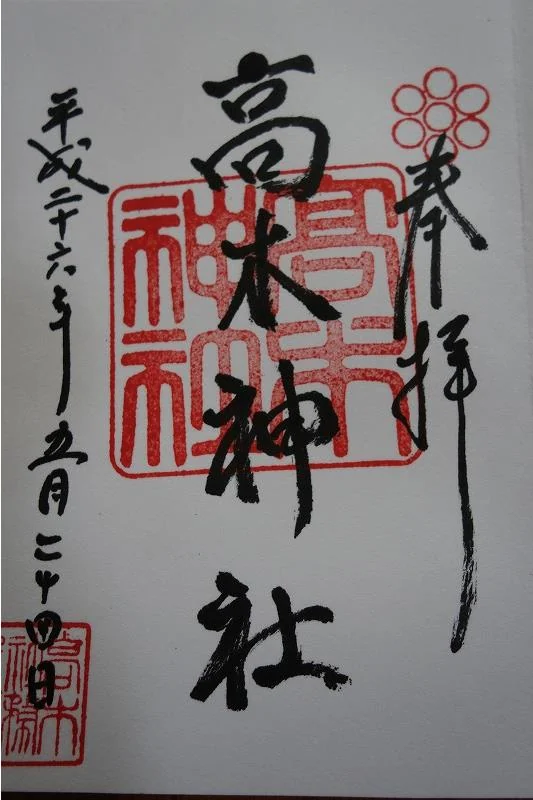
Takagi Shrine in Oshiage, Sumida, is known for rice-ball motifs and monthly goshuin. Alongside photographs from an earlier visit, this guide summarises the official November 2026 dates, offerings and inscription conditions. Limited designs apply only to the periods stated.

Published · 2014.10.07
Tokyo

Matsushima Shrine

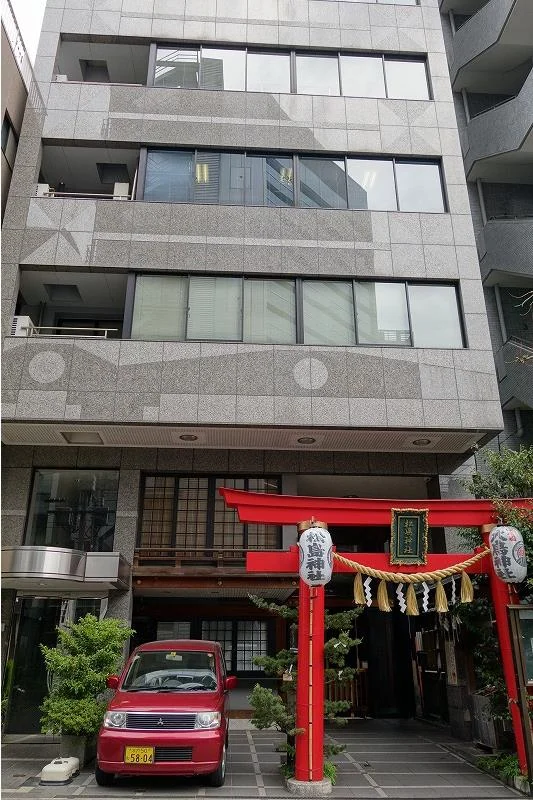
Matsushima Shrine stands among the buildings of Nihonbashi Ningyocho and enshrines Daikokujin as part of the Seven Lucky Gods route. Earlier goshuin show both its shrine name and the deity; this guide distinguishes regular inscriptions from Seven Lucky Gods offerings.

Published · 2014.10.06
Tokyo

Tomioka Hachimangu

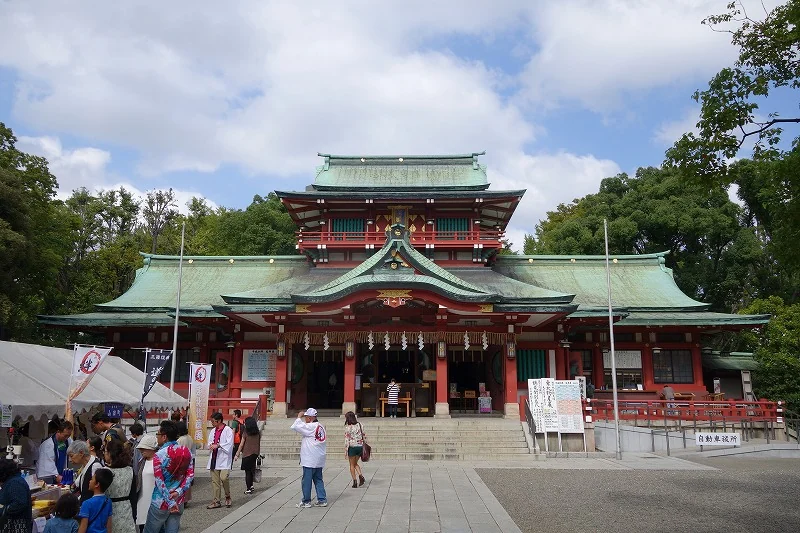
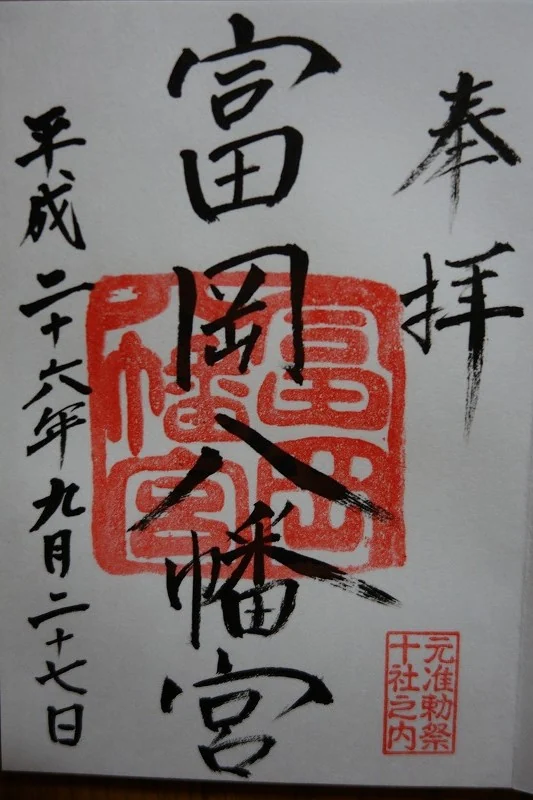
Tomioka Hachimangu, popularly known as Hachiman-sama of Fukagawa. I have left the goshuin that I received previously and a photo of the temple grounds, and added official traffic information and parking precautions due to construction. This is a guide for those visiting the shrine in Tomioka, Koto Ward, not to be confused with Hachimangu Shrine of the same name in Kanagawa Prefecture.

Published · 2014.10.06
Tokyo

Tobiki Inari Shrine

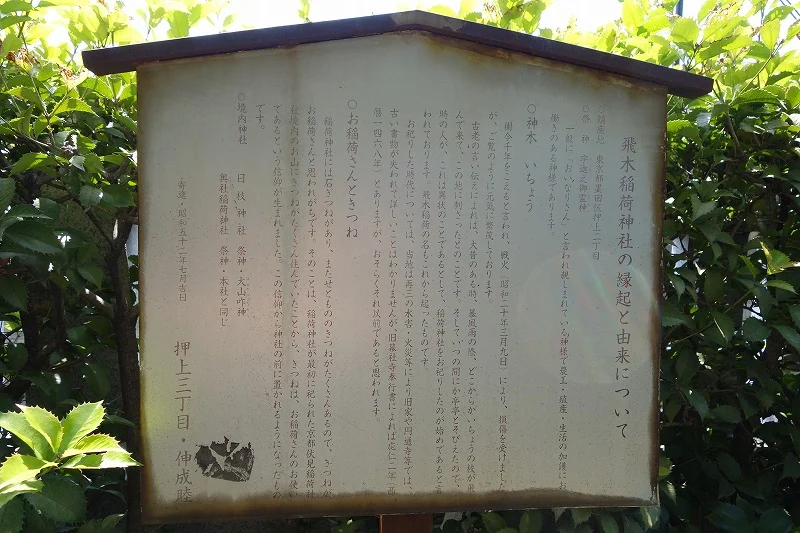
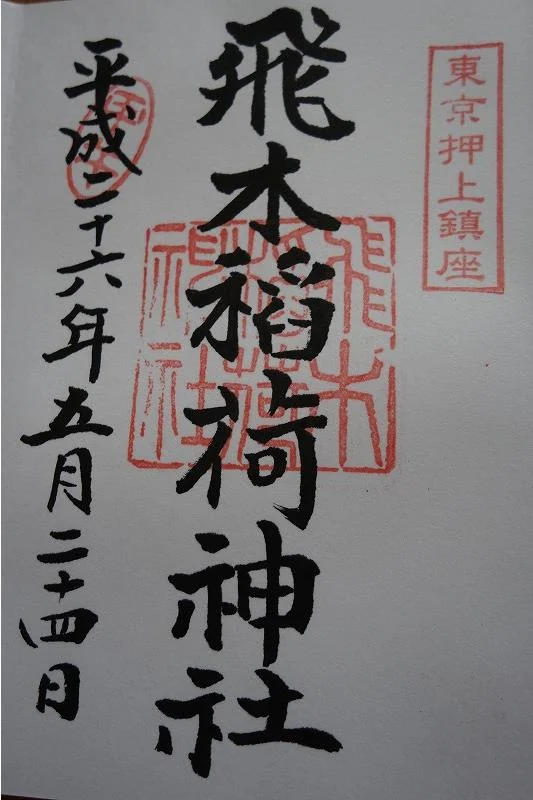
Oshiage Tobiki Inari Shrine is a shrine that conveys history along with the sacred ginkgo tree. We introduced the goshuin and photos of the shrine grounds that we received from previous visits, and organized access and where to check based on guidance from the Tokyo Association of Shinto Shrines. It is a different shrine from the nearby Takagi Shrine.

Published · 2014.06.07
Tokyo

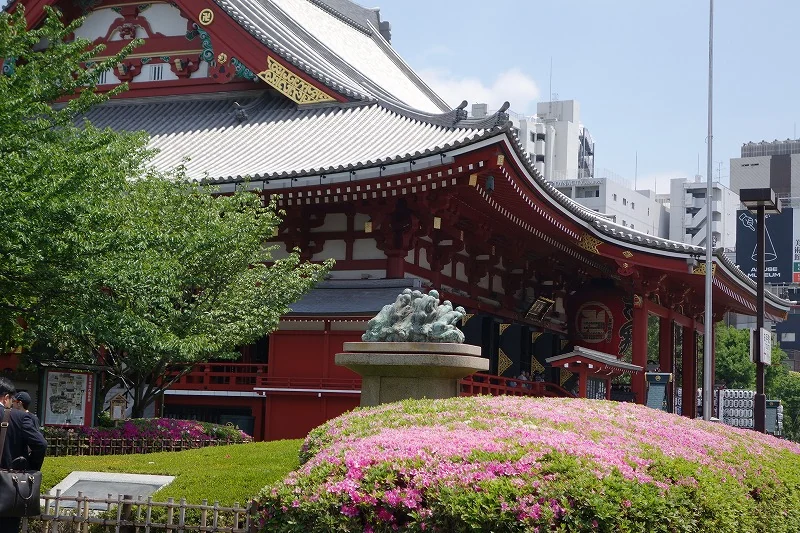
Sensoji Temple

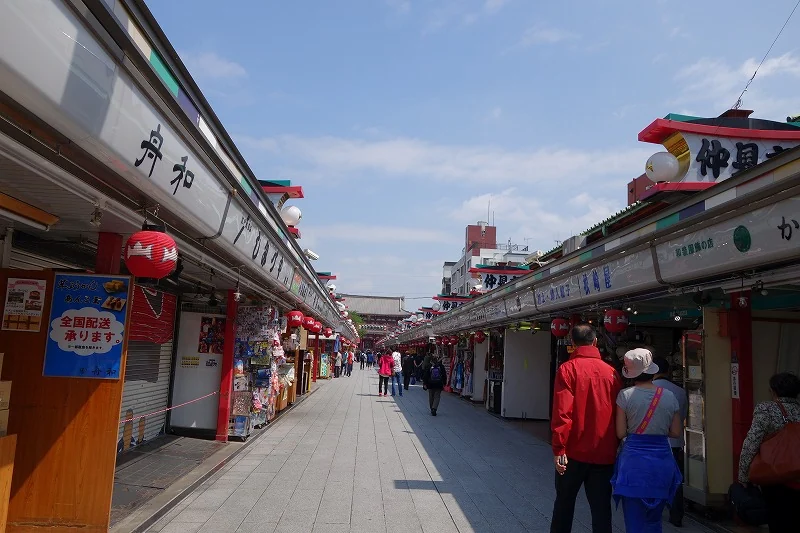
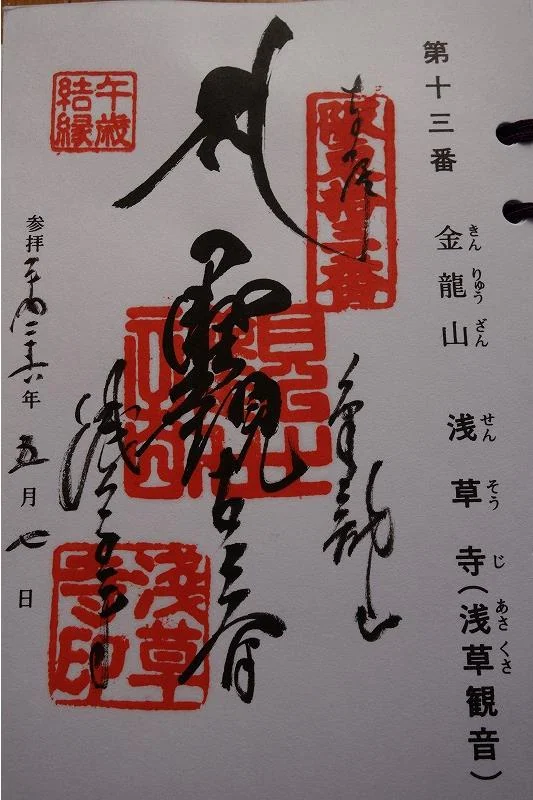
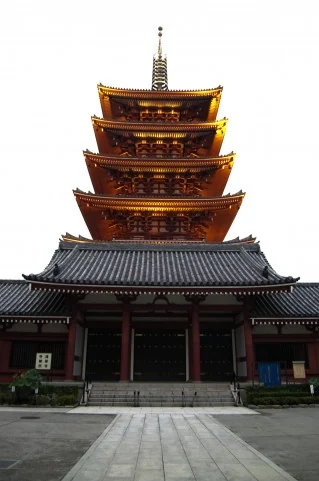
Famous for Kaminarimon Gate and Nakamise, Sensoji issues goshuin at Yogodo Hall, west of the main hall. Our earlier photographs are accompanied by official information on where to go, opening hours and available inscriptions.

Published · 2014.05.15
Tokyo

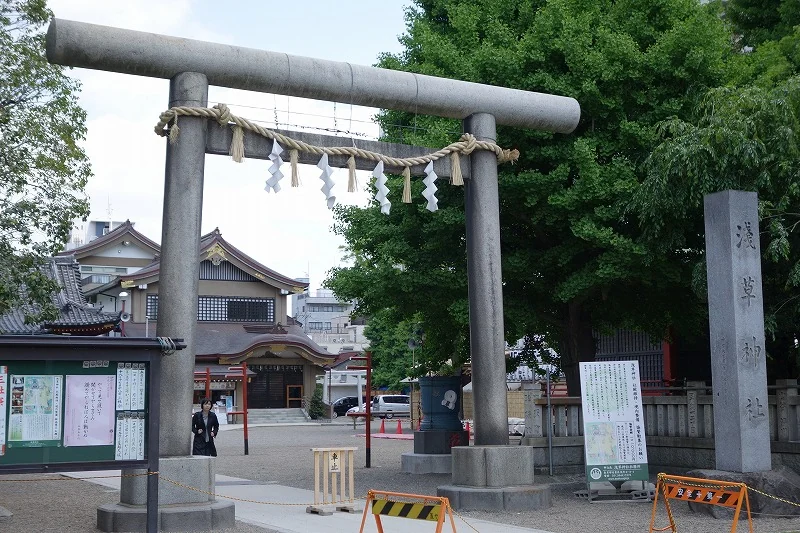
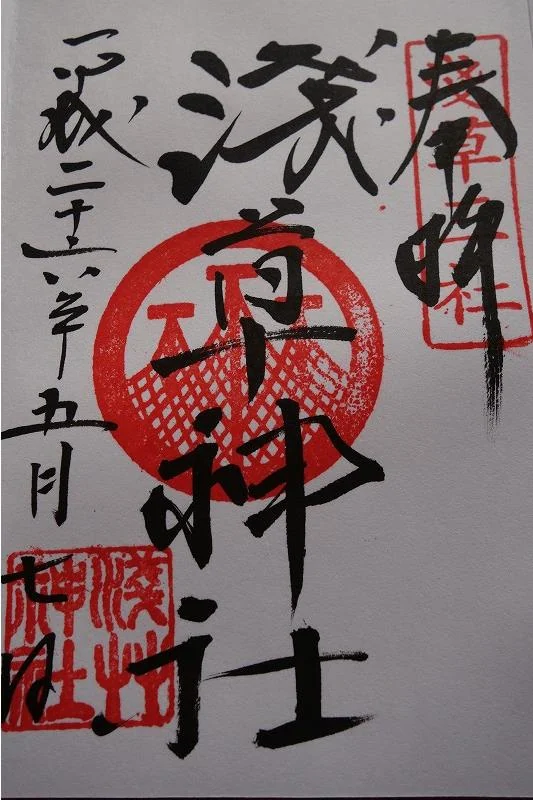
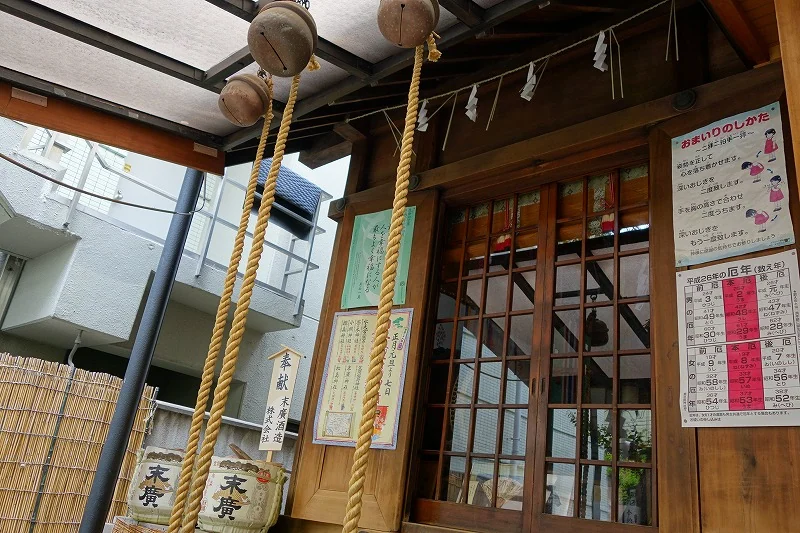
Asakusa Shrine

Known locally as Sanja-sama, Asakusa Shrine stands beside Sensoji Temple. Its goshuin counter is separate from Sensoji's at Yogodo Hall. Earlier goshuin photographs are accompanied by official information on the three regular designs, offerings and goshuin books.

Published · 2014.05.13
Tokyo

Edo Thirty-three Kannon

Edo Thirty-three Kannon is a sacred place that tours Kannon temples in Tokyo. Even in the same pilgrimage, the method of receiving goshuin is different for each temple. First, know the locations of the temples, check the counters and sutra payment conditions for each place you visit, and then plan your itinerary for each day.

Published · 2014.05.12
Tokyo

Nihonbashi Seven Lucky Gods

Nihonbashi Seven Lucky Gods is a visit to seven shrines in Ningyocho, Hamacho, etc. The information of 8 shrines in the old article has been changed to 7 shrines that are currently officially introduced. In addition, it has been announced that the method of collecting colored paper stamps and statues by visiting various shrines will not be carried out during the Reiwa 8 (2026) New Year.

Published · 2014.05.08
Chiba Prefecture

Senyoji Temple

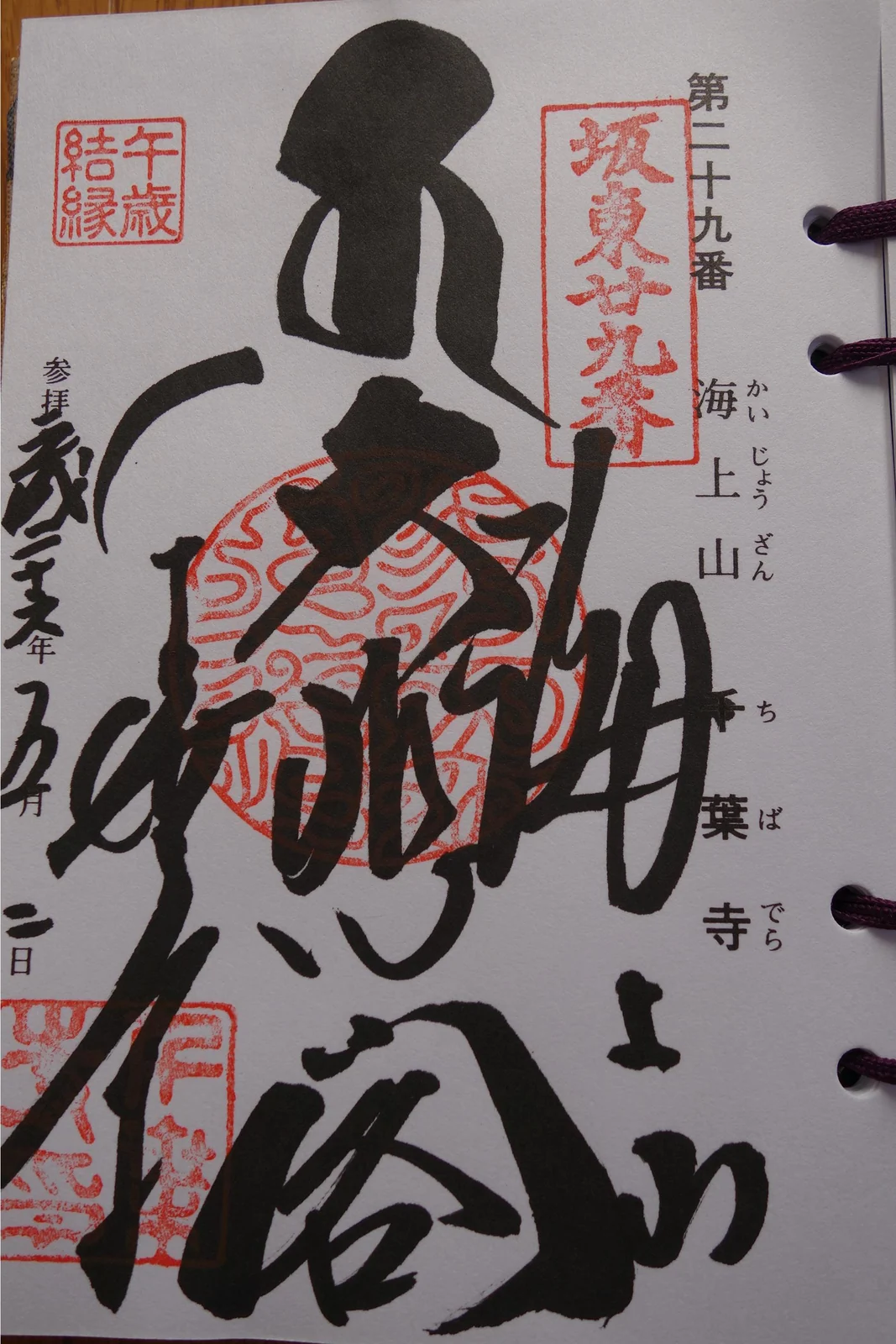
Senyoji in Chiba is stop No. 29 on the Bando Thirty-three Kannon Pilgrimage. Earlier goshuin and grounds photographs are accompanied by the official seasonal goshuin hours. Winter and summer hours differ, which matters when planning your visit.

Published · 2014.05.07
Basic knowledge of goshuin

Bando Thirty-three Kannon

The Bando Thirty-three Kannon Pilgrimage links 33 temples across Kanto. The official association permits any visiting order, whether on day trips or overnight journeys. Alongside photographs of the pilgrimage book, this guide explains offerings and the temple list.

Published · 2014.05.05
Chiba Prefecture

Samukawa Shrine

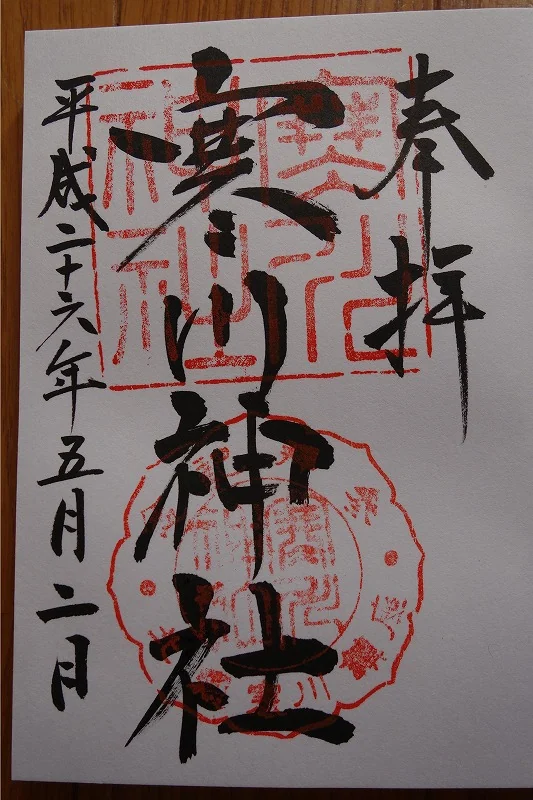
This account features Samukawa Shrine in Samukawa-cho, Chuo-ku, Chiba City, rather than the similarly named shrine in Kanagawa. An earlier goshuin is shown alongside the current official information on available designs and points to confirm before visiting.

Published · 2014.05.05
Tokyo

Kasama Inari Shrine, Tokyo Branch

Kasama Inari Shrine, Tokyo Branch is located in Hamacho, Nihonbashi, and is also popularly known as Monzaburo Inari. The location is different from the main shrine in Kasama City, Ibaraki Prefecture. Along with photos of the previous goshuin and the grounds, we will introduce access and visiting Jurojin from the official guide of Tokyo branch.

Published · 2014.05.01
Tokyo

Nihonbashi Hie Shrine

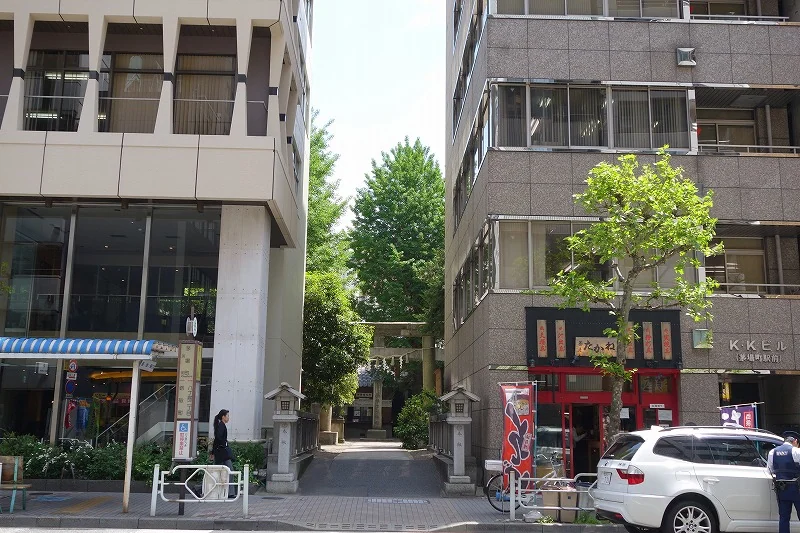
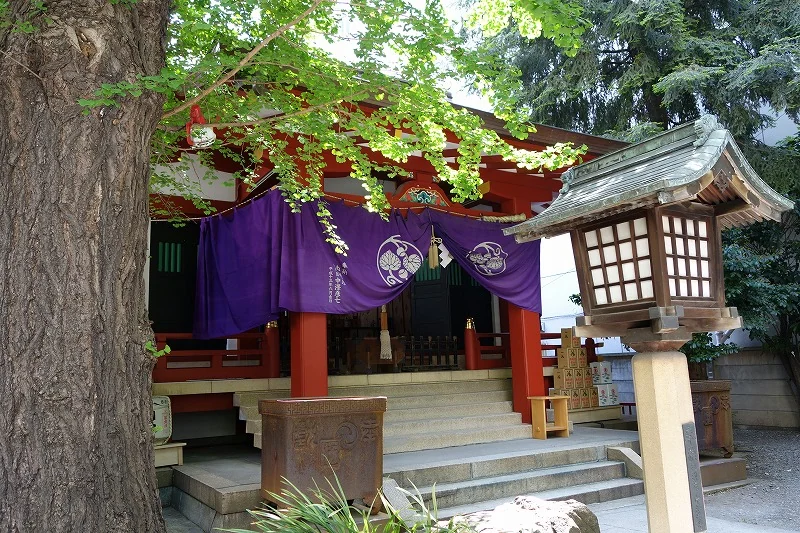
Nihonbashi Hie Shrine stands among Kayabacho's office buildings. Its official goshuin hours are 8:00–16:00. Earlier goshuin and grounds photographs are accompanied by information on its books and directions from nearby stations.

Published · 2014.05.01
Tokyo

Suitengu Shrine

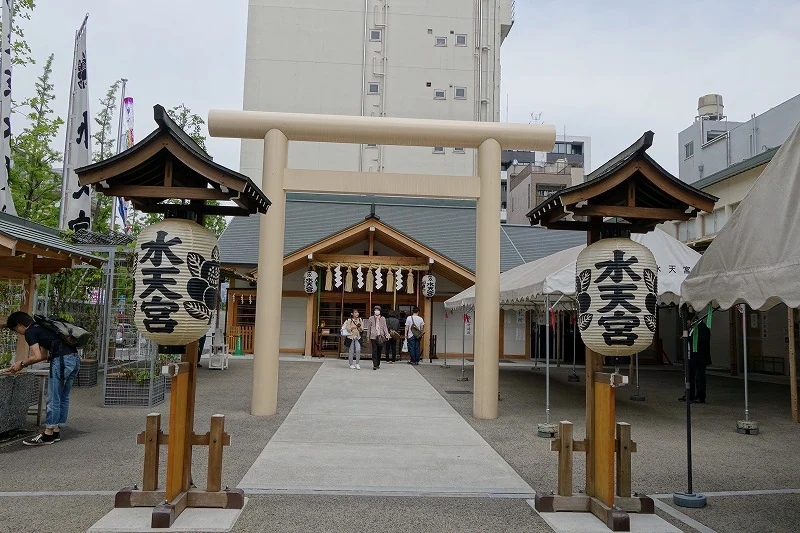
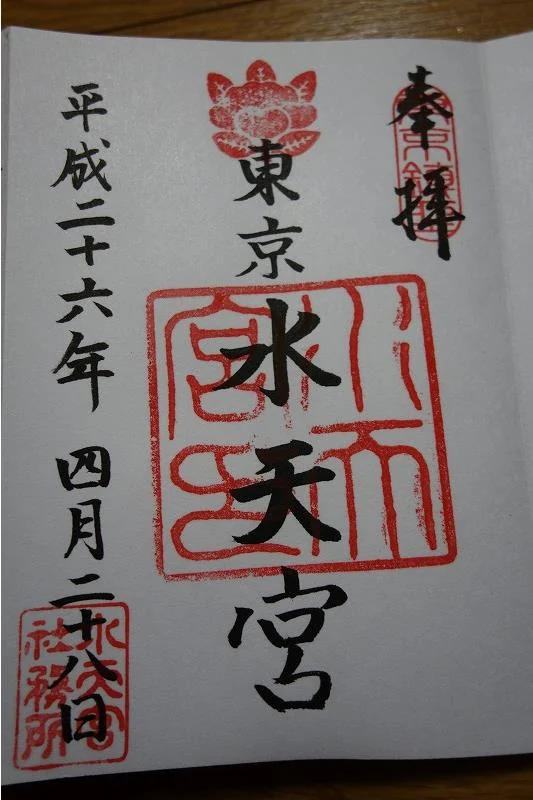
At Suitengu Shrine in Nihonbashi, Tokyo, we are guiding goshuin and goshuin book at the shrine. The goshuin and precinct photos in this article are records from my 2014 temporary shrine visit. The current place of worship is Suitengu Shrine in Kakigara Town, so please take a look at the photo and location separately.

Published · 2014.05.01
Tokyo

Suehiro Shrine

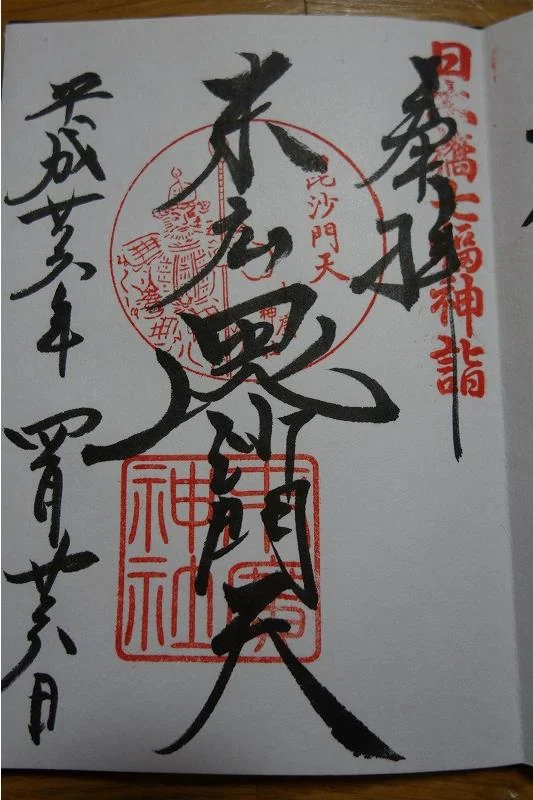
Suehiro Shrine is one of the Nihonbashi Seven Lucky Gods shrines located in Nihonbashi Ningyocho. The previous goshuin has Bishamonten written in large ink. The shrine name is the official notation "Suehiro Shrine", and we have summarized the things to check before requesting goshuin.

Posted · 2014.04.29
Tokyo

Koami Shrine

Koami Shrine is a shrine located in the city of Nihonbashi Koamicho. The goshuin posted is from the time of worship in 2014. We have summarized the awarding times and directions from the station, which can be confirmed in the current official guide, separated by past photos.

Posted · 2014.04.29
Chiba Prefecture

Funabashi Daijingu

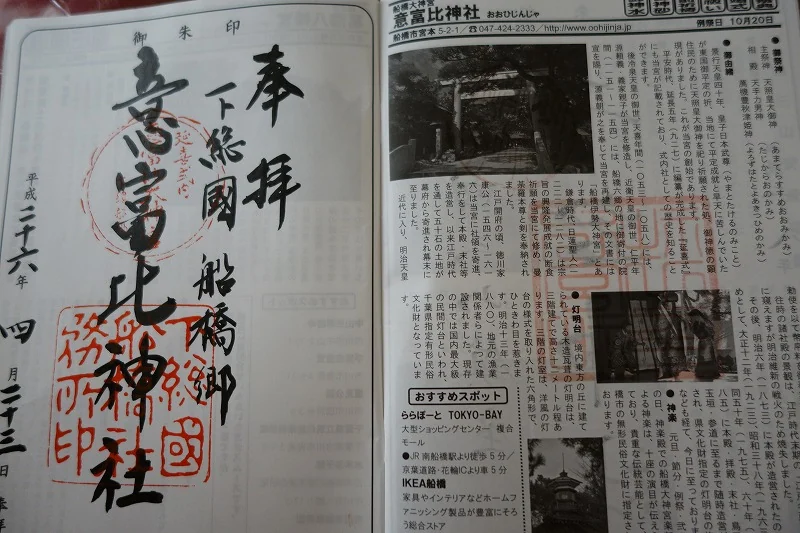
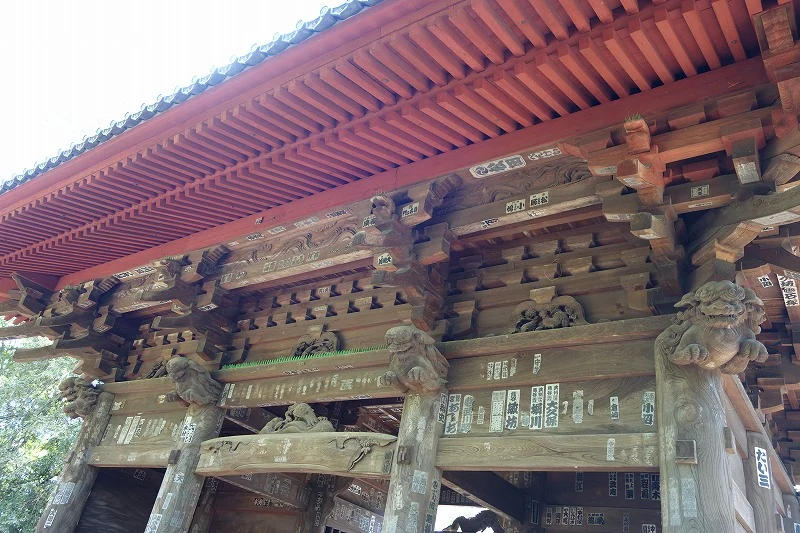
Funabashi Daijingu, officially Ohi Shrine, stands in Miyamoto, Funabashi. Official directions now accompany the earlier goshuin photographs and visit account. It is within easy walking distance of Keisei Daijingushita Station.
Published · 2014.04.25
Chiba Prefecture

Komagi Suwa Shrine

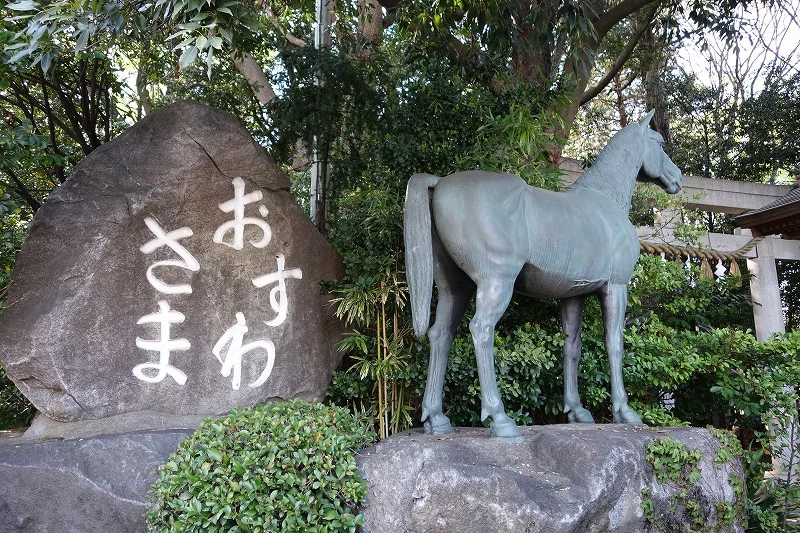
Suwa Shrine in Nagareyama, affectionately known as “Osuwasama of Komaki”. The official FAQ states that goshuin will be awarded from 9:00 to 16:00, and goshuin written on paper will be awarded after 15:00. Along with past goshuin photos, we have compiled information to help you avoid making mistakes about the counter times.

Published · 2014.04.13
Chiba Prefecture

List of temples and shrines/goshuin

This is a list for finding temples and shrines of interest from the photos of goshuin and touring nearby areas all at once. There are 35 articles introducing temples and shrines on this site. You can check the location of 37 locations on Google Maps on the top page, including multiple shrines in Togakushi.

Published · 2014.04.13
Basic knowledge of goshuin

Boso Three Provinces Shrine Goshuin Pilgrimage

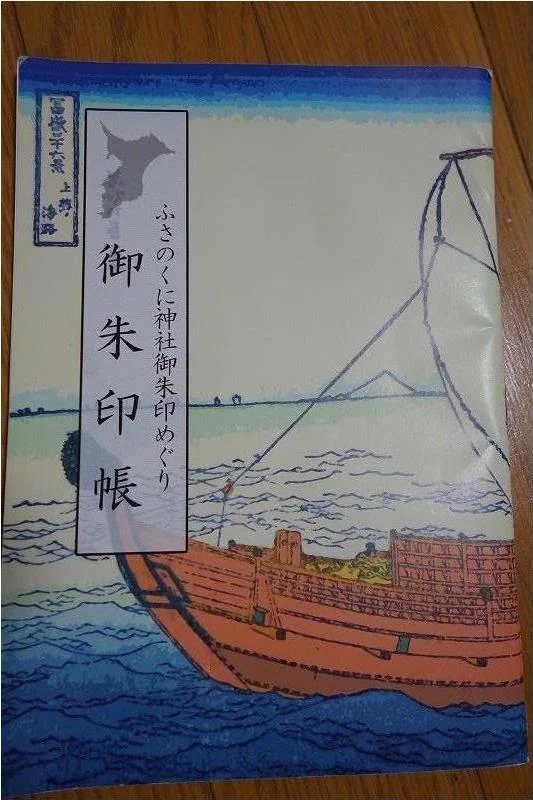
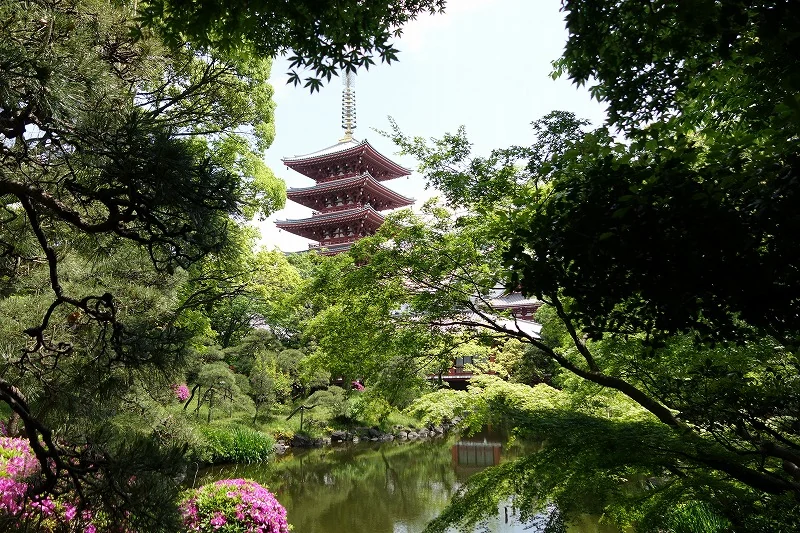
The route called Fusanokuni Shrine Goshuin Pilgrimage in the 2014 article is now the Boso Three Provinces Shrine Goshuin Pilgrimage. It has expanded from 37 to 41 shrines. The older participation method and flat goshuin offering have been replaced with current official information.
Published · 2014.04.13
Nagano Prefecture

Togakushi Shrine — Chusha

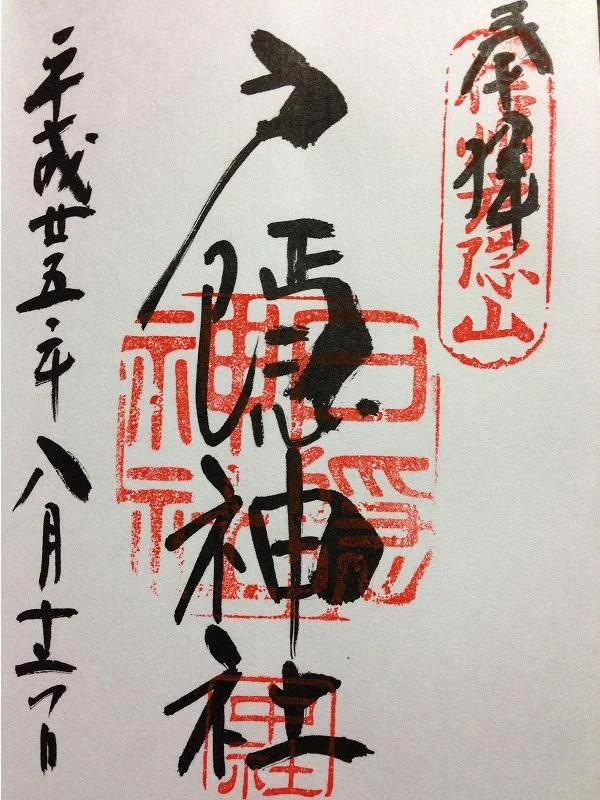
Each of the five shrines in Togakushi Shrine has a different goshuin. This page introduces the visit accounts of Hokosha Shrine and Hinomikosha Shrine, focusing on Chusha Shrine. Hinomikosha Shrine and goshuin will be requested at the Chusha Shrine or Hokosha Shrine conferring office, so please plan the worship location and the reception location separately.

Published · 2014.04.13
Nagano Prefecture

Togakushi Shrine — Okusha

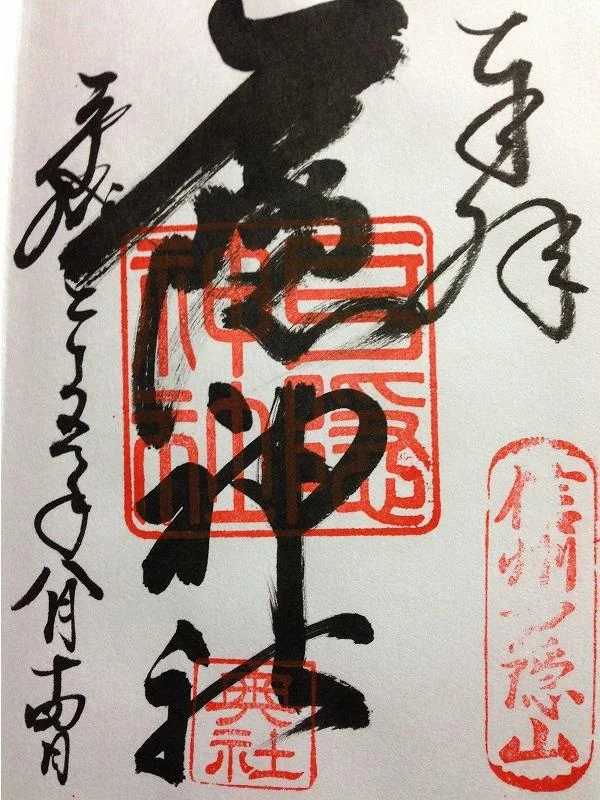
Togakushi's Okusha and Kuzuryusha stand at the end of a walking approach. Visit each before requesting their goshuin at Okusha's counter. Earlier photographs of the cedar avenue and goshuin are accompanied by guidance allowing time for both the walk and the counter.

Published · 2014.04.13
Chiba Prefecture

Kemigawa Shrine

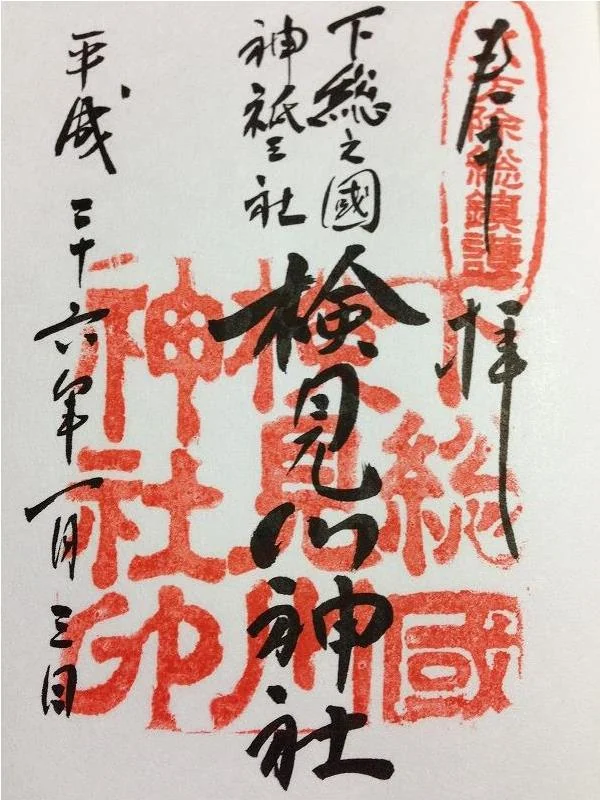
Kemigawa Shrine in Chiba's Hanamigawa Ward is known for protection from misfortune in all directions. Alongside an earlier goshuin, this guide explains how to check monthly and festival designs. Confirm the official notice for the month you plan to visit, as designs and dates change.

Published · 2014.03.19
Tokyo

Aoi Shrine

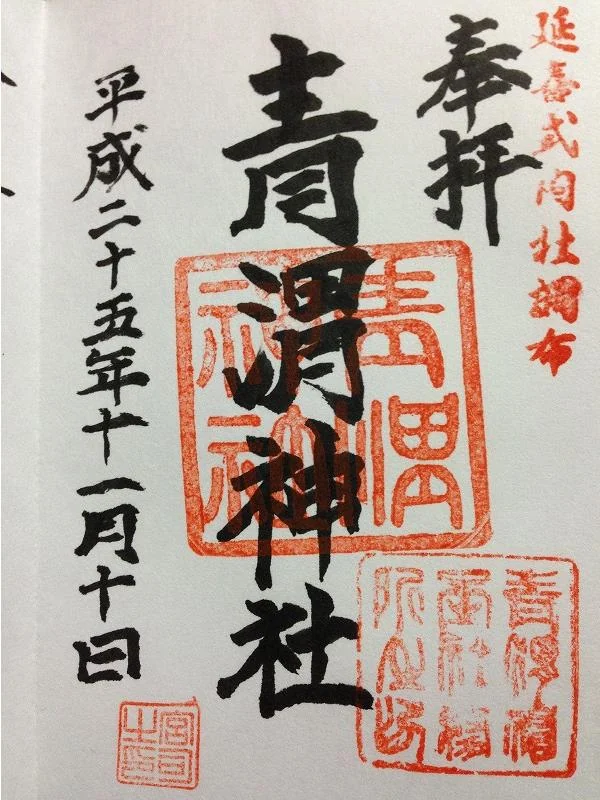
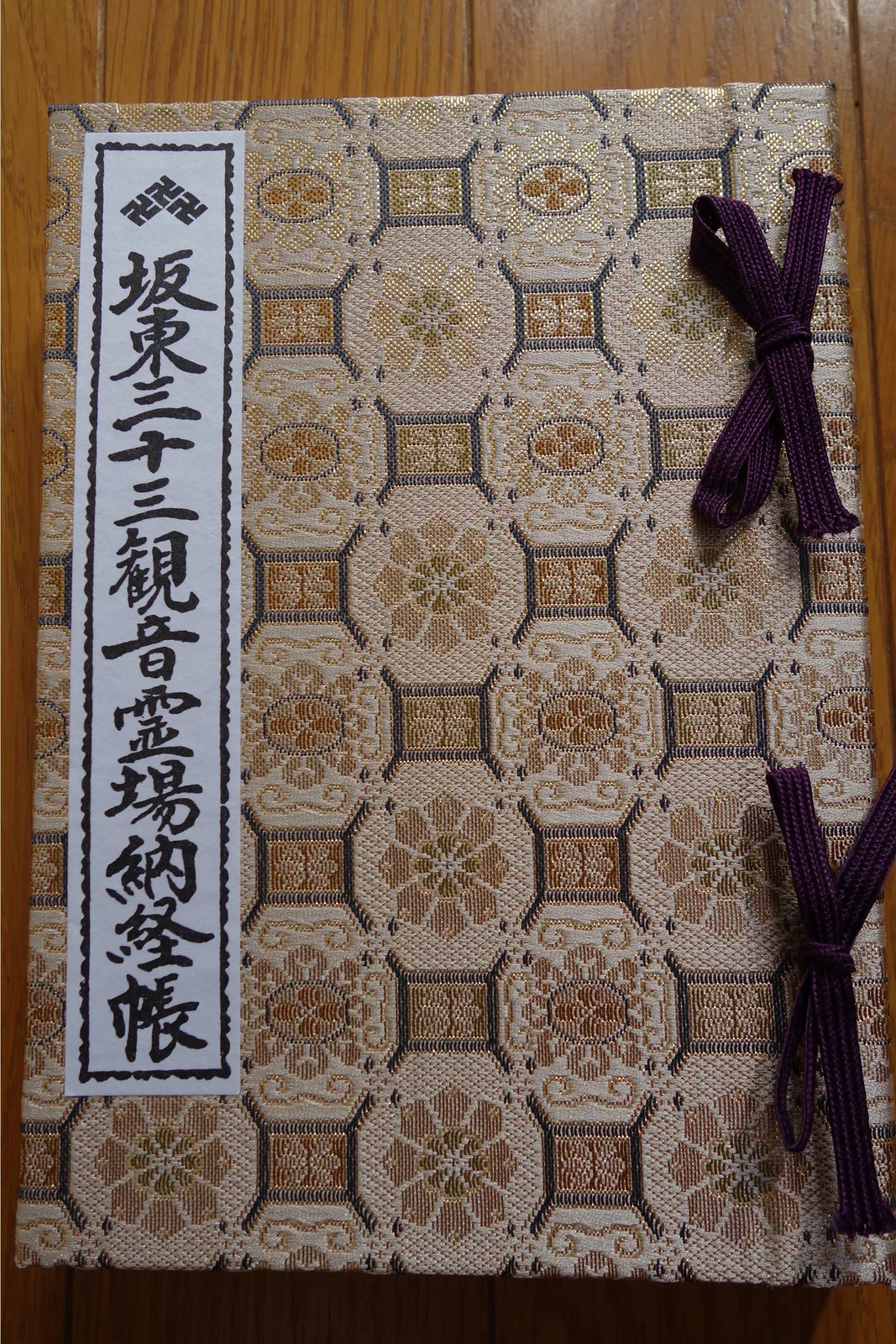
This article features Aoi Shrine in Jindaiji Motomachi, Chofu. Its earlier goshuin bears the stamp “Bushu Chofu.” Discover its tradition of water-deity worship and the large zelkova beside the torii gate, together with practical visiting information.
Published · 2014.03.16
Chiba Prefecture

Ninomiya Shrine

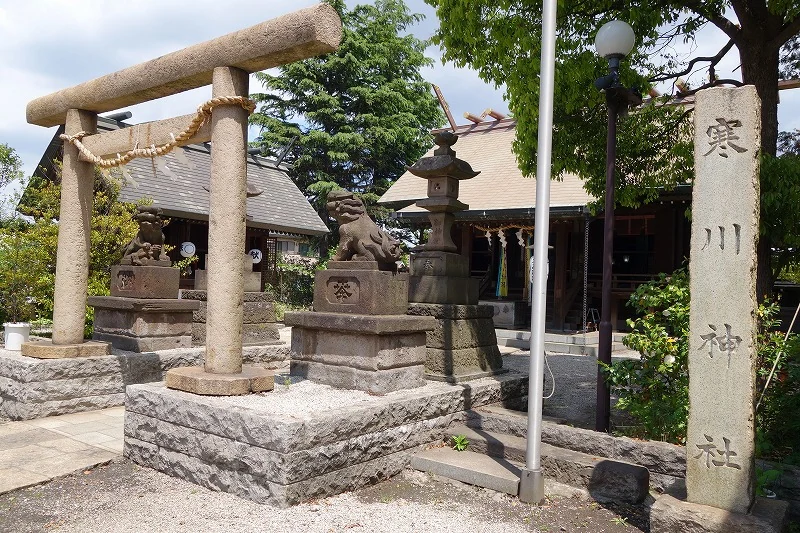
Ninomiya Shrine in Miyama, Funabashi, is known for the Shimousa Sanzan Seven-Year Festival. A verified goshuin photograph is still awaited; the text and grounds photograph are available first. This guide covers the official regular goshuin, books and how to check daily service information.
Published · 2014.03.05
Chiba Prefecture

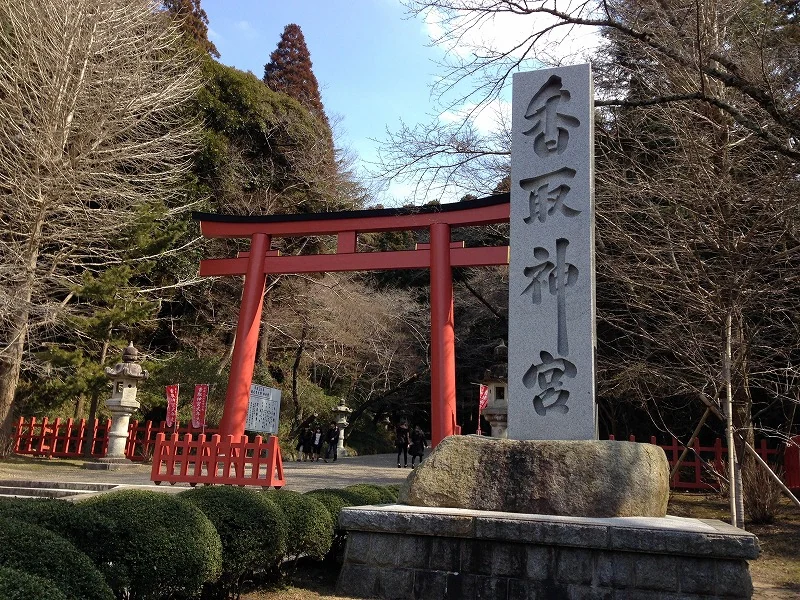
Katori Jingu

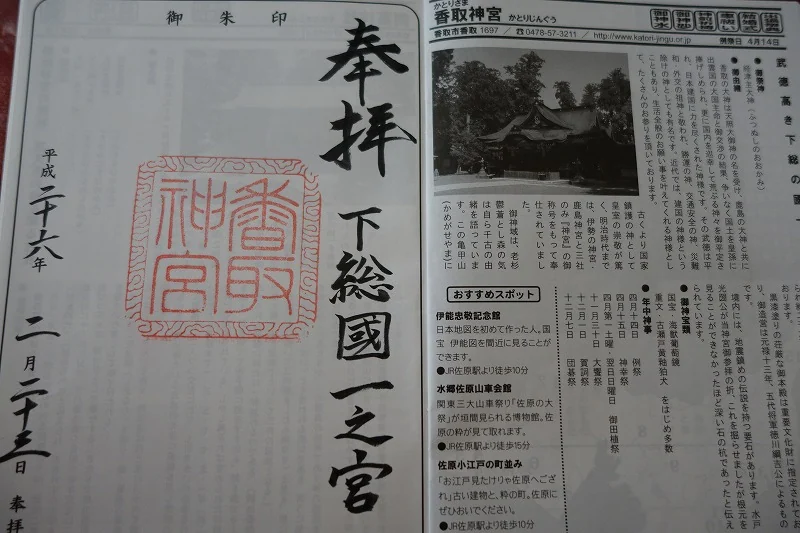
Katori Jingu is the Ichinomiya shrine of Shimousa Province, located in Katori City, Chiba Prefecture. Not only goshuin of the shrine building, but also goshuin related to the inner shrine and keystone are introduced. I checked the current reception and traffic while following photos of past visits to the shrine.

Published · 2014.02.24
Shrine and Temple Stories

Deities in Japanese Mythology

Looking up the deity enshrined at a place where you received a goshuin may lead you to names such as Amaterasu Omikami and Susanoo-no-Mikoto. Using mythology presented by the Association of Shinto Shrines, this guide introduces names and relationships that help explain shrine traditions. Mythology should be read separately from documented historical events.

Published · 2014.02.22
Chiba Prefecture

Chiba Shrine

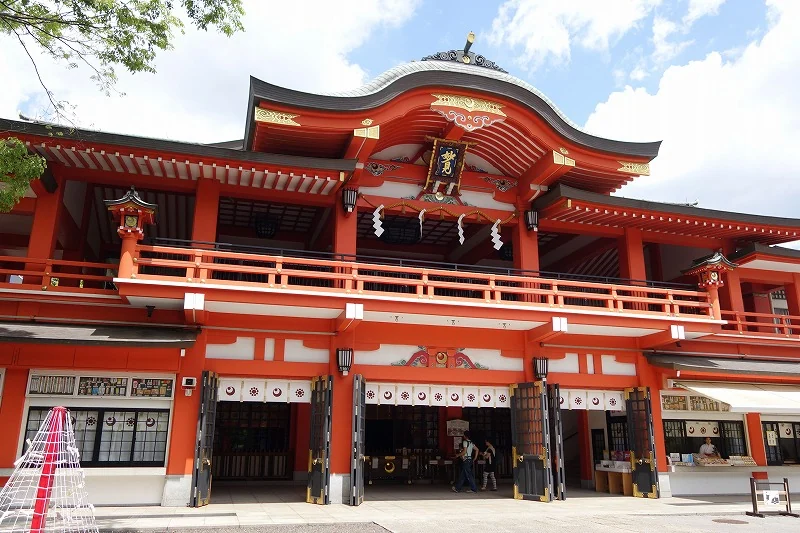
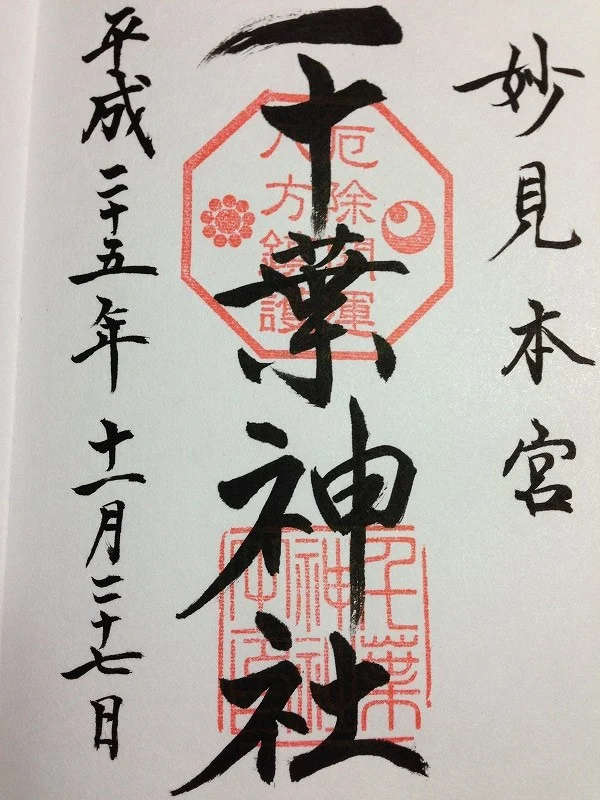
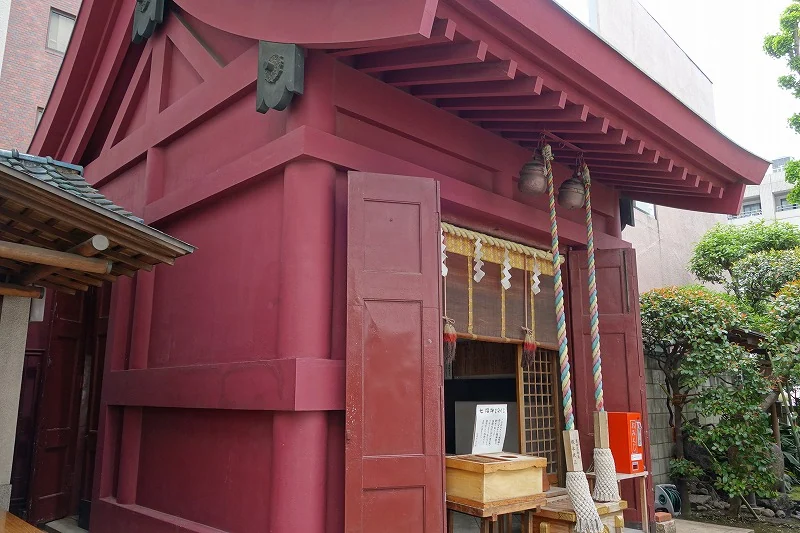
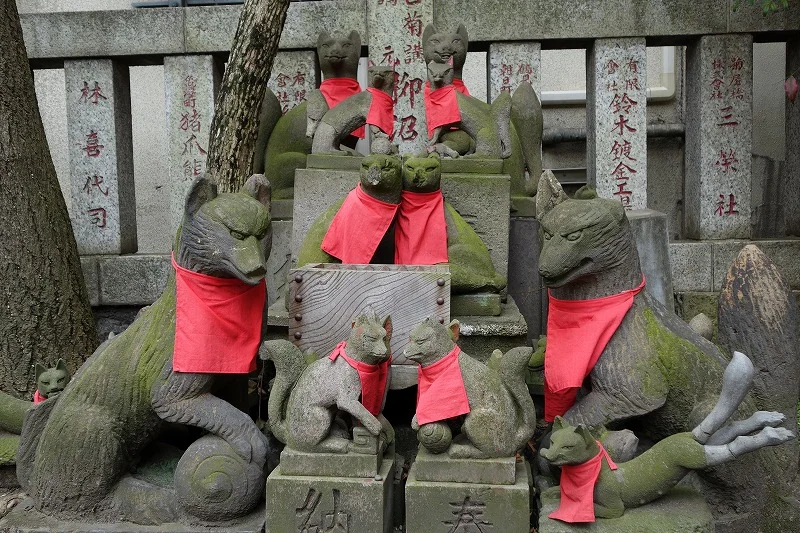
Chiba Shrine in Chiba City's Chuo Ward is dedicated to Myoken. The official goshuin hours are 9:00–17:00, with an offering of ¥500. Direct inscriptions are suspended during certain periods, so check the schedule on the official goshuin page before visiting.
Published · 2014.02.20
Shrine and Temple Stories

Shinto–Buddhist syncretism

Shrine and temple histories often describe traditions linking kami and Buddhist deities, or temples once associated with shrines. Shinto–Buddhist syncretism helps explain these connections. Museum sources offer a way to explore a past that today's separate categories do not fully capture.

Published · 2014.02.13
Chiba Prefecture

Maehara Mitake Shrine

Maehara Mitake Shrine in Funabashi offers regular and monthly goshuin. Self-stamping during a priest's absence, described in the older article, was an experience at that time. This guide uses the current official policy for hours and unattended days.

Published · 2014.02.13
Chiba Prefecture

Tegona Reijindo

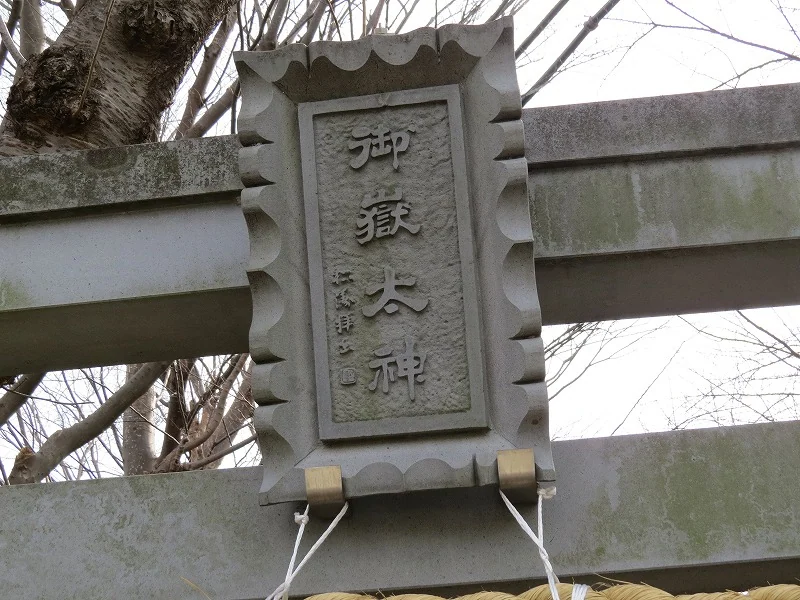
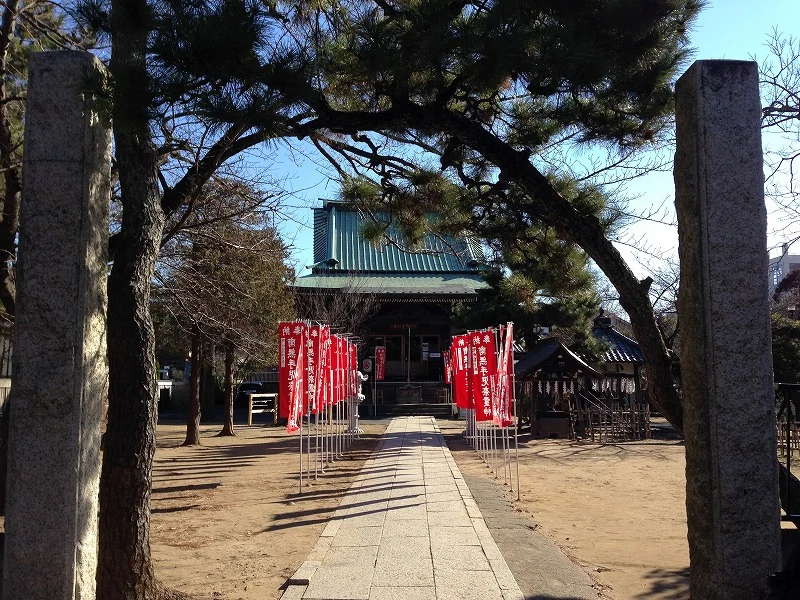
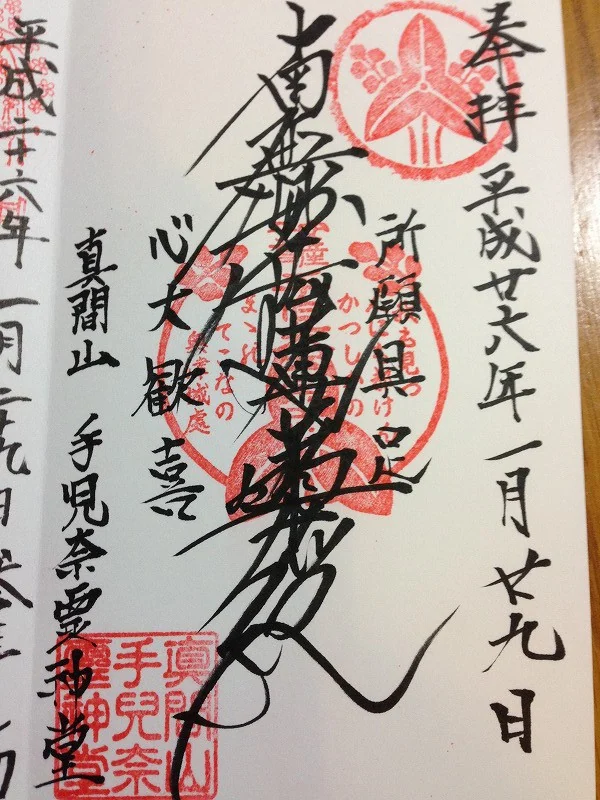
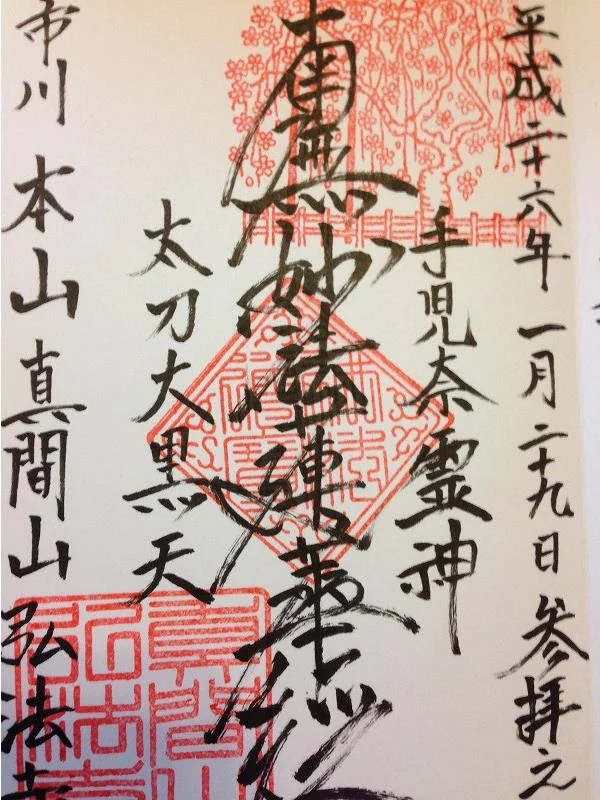
Tegona Reijindo is a place of Tegona worship in Mama, Ichikawa City. I checked the official information about the opening hours and directions from the station along with the photo of the title I received previously. We will guide you as a place of worship separate from the nearby Mamasan Guhoji Temple.

Published · 2014.02.12
Basic knowledge of goshuin

Goshuin Books

A goshuin book holds the record of your shrine and temple visits. Choose your first by considering not just its cover, but the places or pilgrimage you plan to visit. Distinguish general advice from the requirements of each individual site.

Posted · 2014.02.11
Chiba Prefecture

Mamasan Guhoji Temple

Mamasan Guhoji is a Nichiren Buddhist temple in Mama, Ichikawa. This guide corrects the reading of its name and presents earlier odaimoku inscriptions and photographs alongside visiting information from official temple and sect sources.

Published · 2014.02.09
Basic knowledge of goshuin

What is a goshuin?

Goshuin combine vermilion seals and calligraphy as a record of visiting a shrine or temple. This beginner's guide explains their words, dates and origins, and the differences between direct inscriptions, separate-sheet goshuin and goshudai.

Published · 2014.02.05