Known locally as Sanja-sama, Asakusa Shrine stands beside Sensoji Temple. Its goshuin counter is separate from Sensoji's at Yogodo Hall. Earlier goshuin photographs are accompanied by official information on the three regular designs, offerings and goshuin books.
Goshuin/Visit confirmation items for Asakusa Shrine
- Type of goshuin/offering
- The official page lists three types: Asakusa Shrine, Asakusa Famous Places of the Seven Lucky Gods Ebisu, and Hikan Inari Shrine for 500 yen each.
- Office hours
- Weekdays 9:00-16:00, Saturdays, Sundays, and holidays 9:00-16:30. Please note that reception and response methods may change due to congestion.
- Goshuin Books
- The official website lists Edo Komon-pattern books at ¥1,000 and special Reiwa books at ¥1,500. Books must be received with a goshuin; blank books alone are not supplied. Confirm stock before visiting.
- Mailing/Quantity
- Neither goshuin nor goshuin books are sent by post. Goshuin books are limited to one per person.
Tell us the desired goshuin and then open goshuin book
Asakusa Shrine asks visitors to specify the goshuin they want and hand over their book opened to the desired page. Remove buttoned covers, bookmarks and similar items beforehand so they do not obstruct the inscription or stamping.
Distribution dates and conditions for special goshuin such as New Year, Sanja Festival, and Summer Pilgrimage will be announced individually. The conditions may not be the same as the three permanent types or past photos. If you are interested in a specific design, please check the official notice to confirm the applicable dates before going out.
Access and location map
To Asakusa Shrine adjacent to Sensoji Temple. Please check Sensoji Temple and Asakusa Shrine separately on the map and visit each shrine and temple. If you wish to apply for both goshuin, please check the reception location and deadline separately.
Location: 2-3-1 Asakusa, Taito-ku, Tokyo.
Open Asakusa Shrine on Google Maps/Check route
Previous visit records and photos (posted in 2014)
The following account preserves the original visit experience and historical introduction. The photographs and encounters at the counter date from that publication; they do not describe a new visit. Old access instructions have been replaced by the checked information above. Historical accounts and spiritual benefits are presented as traditions and beliefs.
This shrine is located on the east side of the main hall of Sensoji Temple, and Ebisu, the Asakusa Seven Lucky Gods, is also enshrined here.
It is famous for the Sanja Festival, one of the three major festivals of Edo.
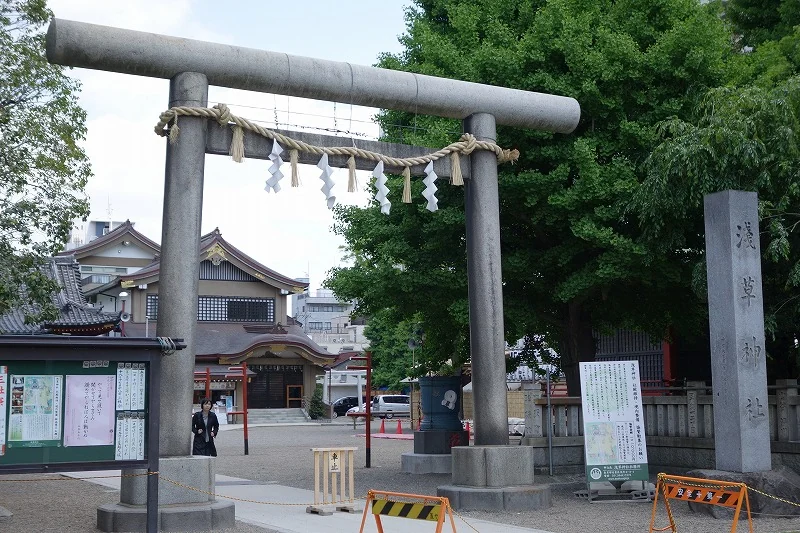
History and traditions
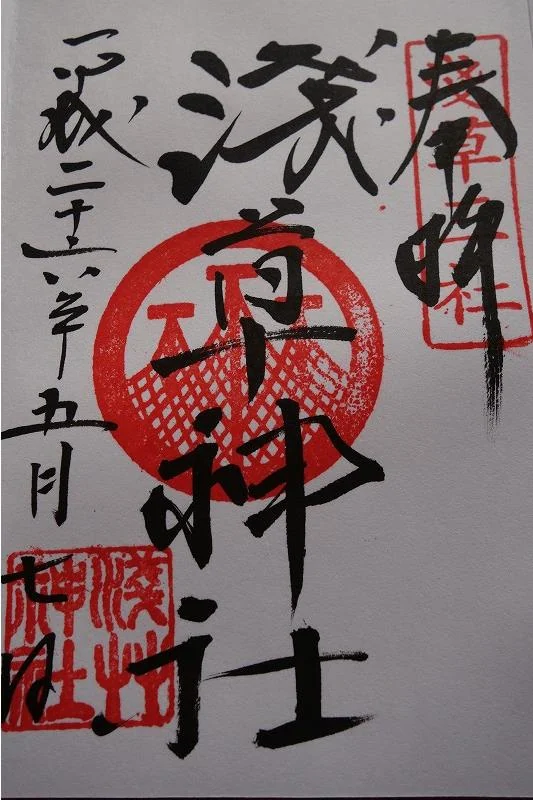
Enshrined deity Haji Manaka Tomomikoto
Hinokimaehama no Mikoto
Hinoki Takenari Mikoto
Ebisu God
An older visitor told me that the shrine honours the Hinokuma brothers who found Sensoji's principal image in the river, together with the local man who recognised its significance.
Its three enshrined figures and three principal mikoshi are associated with the familiar name Sanja-sama, or “three shrines.”
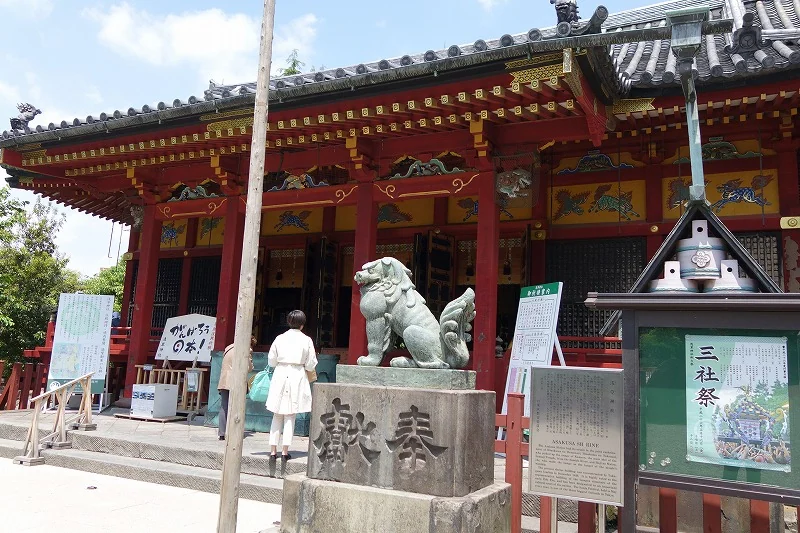
Judging from the story, it seems that it was founded about 1,350 years ago, but it is more likely that it was worshiped as a local deity from the end of the Heian period to Kamakura.
Asakusa Famous Places Seven Lucky Gods
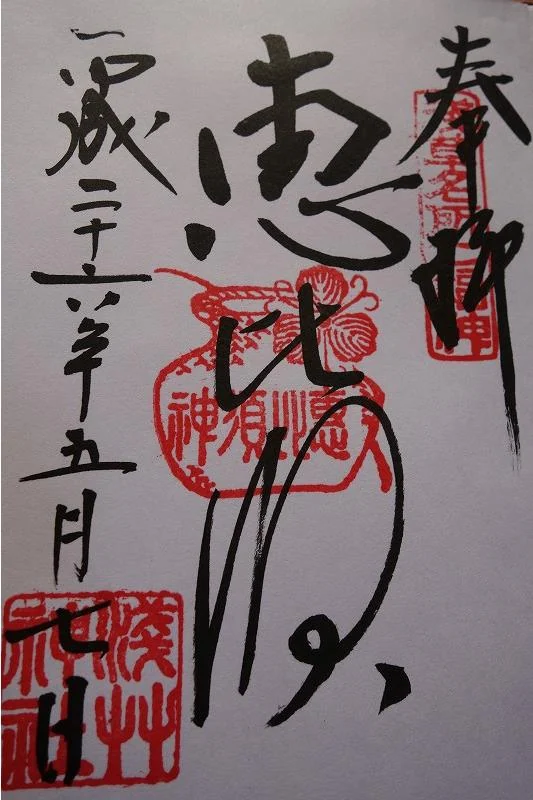
Asakusa Shrine's Ebisu statue is said to be enshrined behind the door, so I was not able to view it.
Along with Daikokuten of Sensoji Temple, it seems to have attracted many people of faith.
Sanja Festival
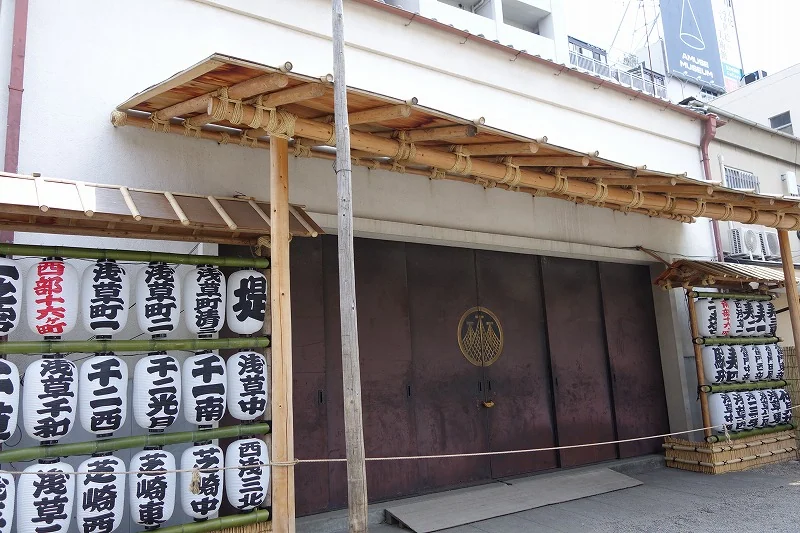
The Sanja Festival, which is expected to attract 1.5 million people over the three days, is held every year on the three days of Friday, Saturday and Sunday, close to May 17th and 18th.
Friday: a grand procession through Asakusa, followed by Binzasara-mai dance at the shrine.
Saturday: the annual festival ceremony and a joint procession of 100 neighbourhood mikoshi, which gather behind the shrine for purification.
Sunday: the three shrine mikoshi leave the grounds, pass between neighbourhood associations during their procession, and return to the shrine.
Hikan Inari Shrine
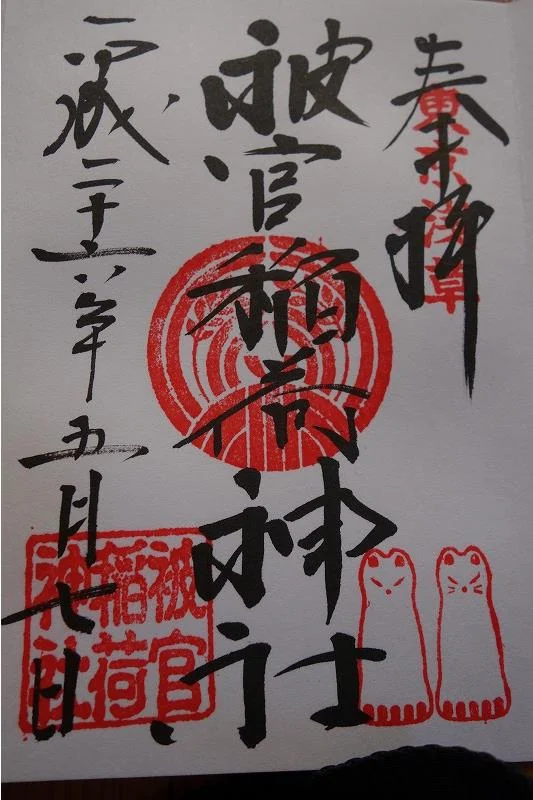
Enshrined deity: Ukanomitama no Mikoto
It is said to have divine virtues such as rich harvest, good fortune, success in life, and prosperous business.
This is a shrine located within the grounds of Asakusa Shrine.There is a torii gate to the east of the shrine office, and the shrine is beyond that.
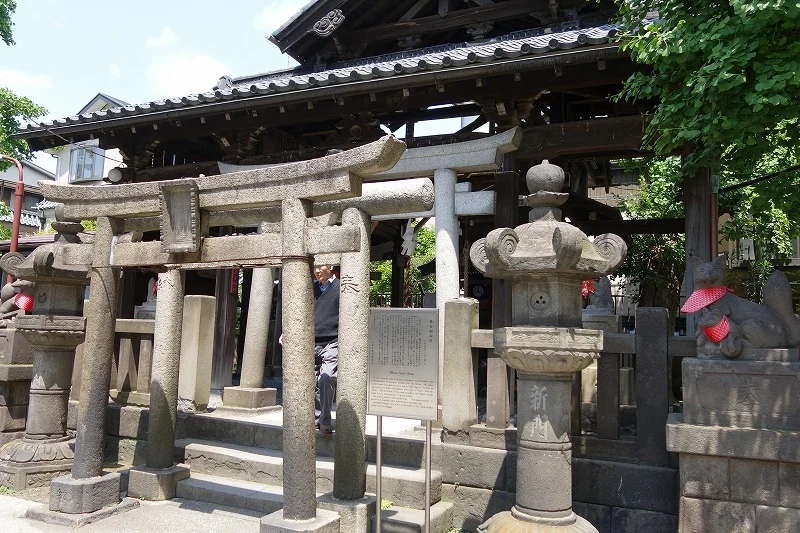
Although the origin of “Hikan” is uncertain, Asakusa Shrine explained to me its associations with entering service and advancement in one's career.
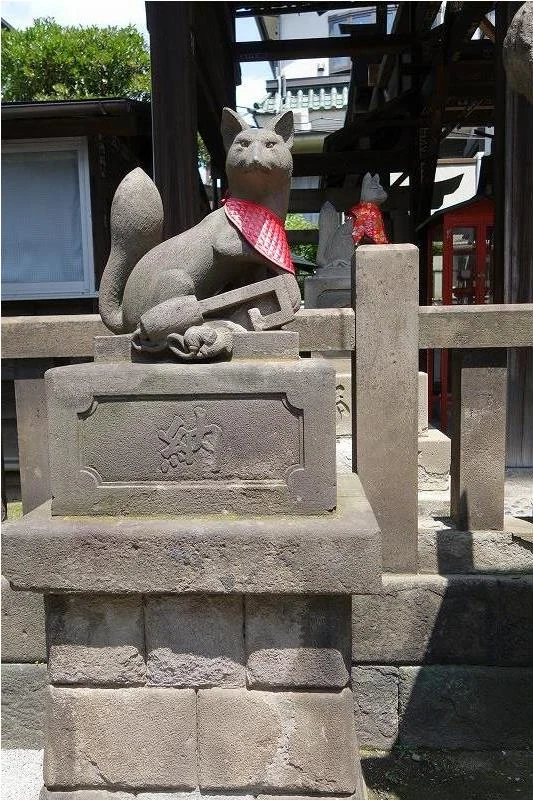
The torii gate in front of Hikan Inari Shrine was dedicated by Tatsugoro Shinmon.
The shrine building is also from that time, and miraculously survived the Great Kanto Earthquake and the Great Tokyo Air Raid.
Goshuin was requested at Asakusa Shrine's office.
Prayers and other requests will be accepted at the Asakusa Shrine shrine office.
Notes from the visit
Toei Asakusa Line Asakusa Station: 10 minutes walk
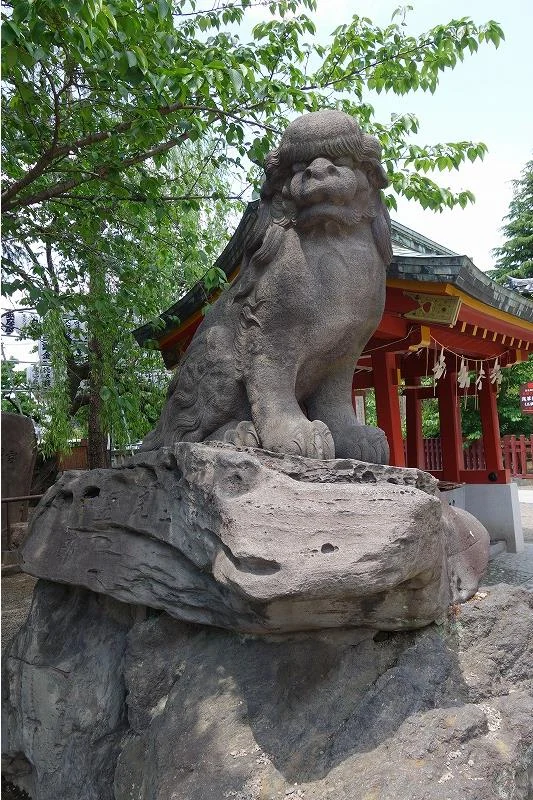
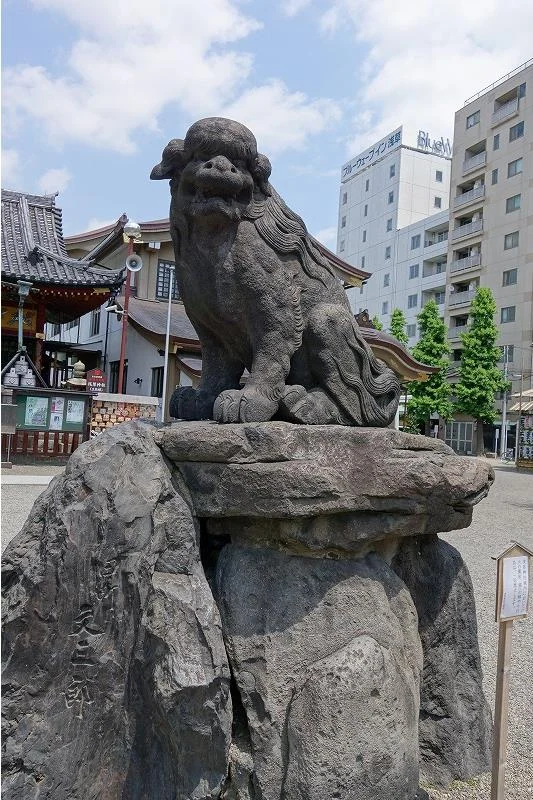
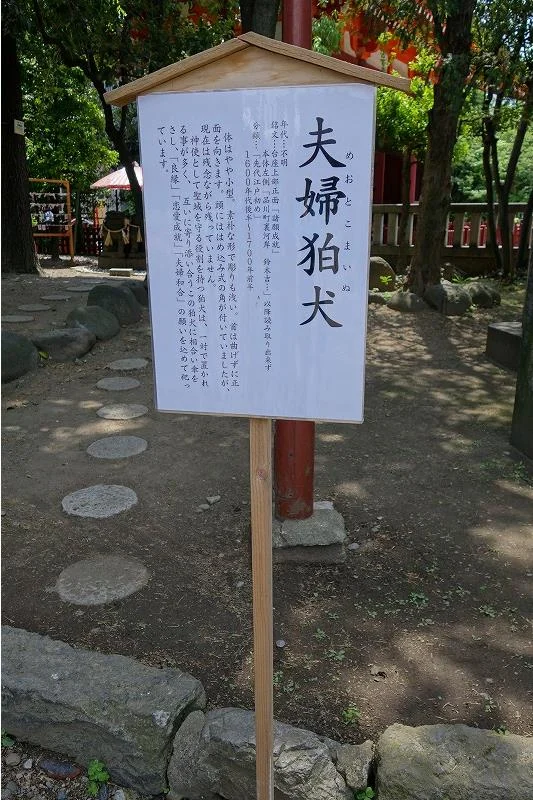
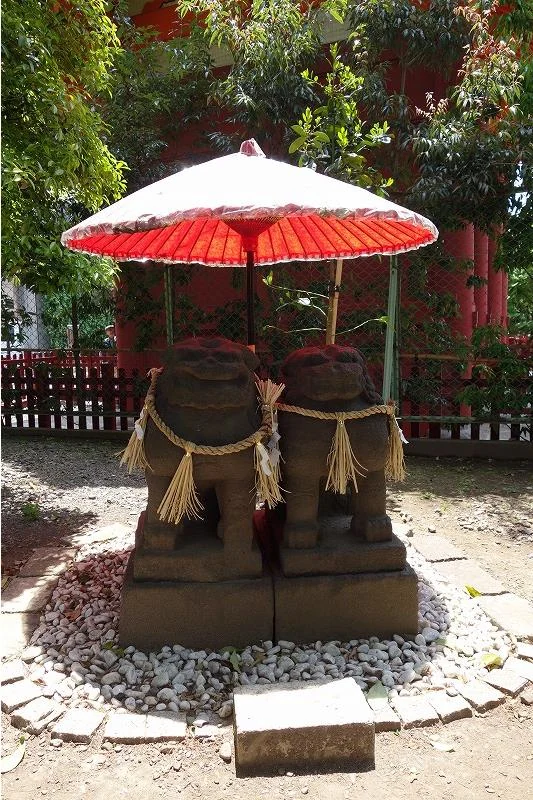
When parking within the temple grounds, a permit is required, so it is necessary to speak to the relevant person.
〒111-0032
2-3-1 Asakusa, Taito-ku, Tokyo
TEL : 03-3844-1575
Sources and scope of verification
- goshuin – Asakusa Shrine: 500 yen each for 3 permanent types, office hours, goshuin book value, book price, no mailing, request for 1 book to keep and cover etc.
Official information was checked on 2026-11-07. Book colours in stock, forthcoming special-goshuin dates and arrangements during busy periods remain unconfirmed. Earlier photographs do not guarantee today's designs, prices or service.
Goshuin and travel information has been checked against official and other cited sources, with unconfirmed points identified. Earlier photographs and personal experiences remain records of their original visits. Check the stated dates for limited designs.