Famous for Kaminarimon Gate and Nakamise, Sensoji issues goshuin at Yogodo Hall, west of the main hall. Our earlier photographs are accompanied by official information on where to go, opening hours and available inscriptions.
Goshuin/Visit confirmation items for Sensoji Temple
- Goshuin hours
- The official regular goshuin hours are 8:00–16:30. Special hours apply on New Year's Day and during the Shiman-rokusen-nichi observance.
- Location
- Yogodo Hall on the west side of the main hall (left when facing the front).
- Type of goshuin
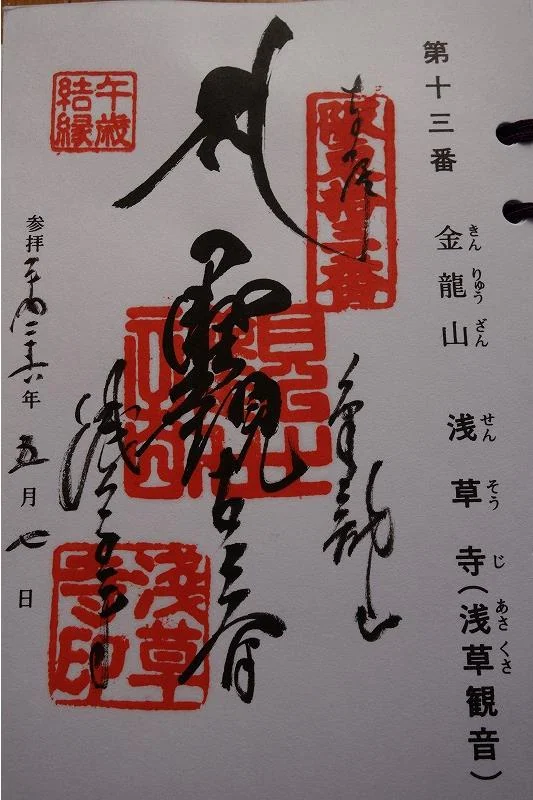
- Two goshuin are listed: Sho Kanzeon Bosatsu, the principal image, and Daikokuten of the Asakusa Seven Lucky Gods. Goshuin books are also available at Yogodo Hall.
- Goshuin offering · Individual support
- The official pages checked did not confirm the current goshuin offering. Ask at the counter about your preferred design, book and issuing method.
The opening hours of the main hall and the hours of goshuin are different.
The opening hours of the main hall listed on the official website and the gifting times of goshuin are different. Even if you visit the main hall early in the morning, goshuin may not be open yet. Especially on event days, be sure to check the special time information on the goshuin page first.
Sensoji is stop No. 13 on the Bando Thirty-three Kannon route and No. 1 on the Edo Thirty-three Kannon route. Specify your pilgrimage and desired page if using a dedicated book. Check current book designs and availability on the day rather than relying on earlier photographs.
Access and location map
Go to the premises of Sensoji Temple, 2-3-1 Asakusa, Taito-ku. Proceed to the main hall from Kaminarimon Gate and Nakamise, and get goshuin at Yogodo Hall, which is on the west side of the main hall, on the left when facing the front. It is separate from the adjoining Asakusa Shrine award center.
Location: 2-3-1 Asakusa, Taito-ku, Tokyo.
Open Sensoji Temple on Google Maps/Check route
Previous visit records and photos (posted in 2014)
The following account preserves the original visit experience and historical introduction. The photographs and encounters at the counter date from that publication; they do not describe a new visit. Old access instructions have been replaced by the checked information above. Historical accounts and spiritual benefits are presented as traditions and beliefs.
Sensoji Temple, famous for "Asakusa Kannon", is the 13th temple of the Bando 33 Kannon sacred grounds, and the first temple of the Edo Thirty-three Kannon sacred grounds.
Famous for Kaminarimon Gate, it is also a temple representing Asakusa, a symbol of the downtown area of Edo.
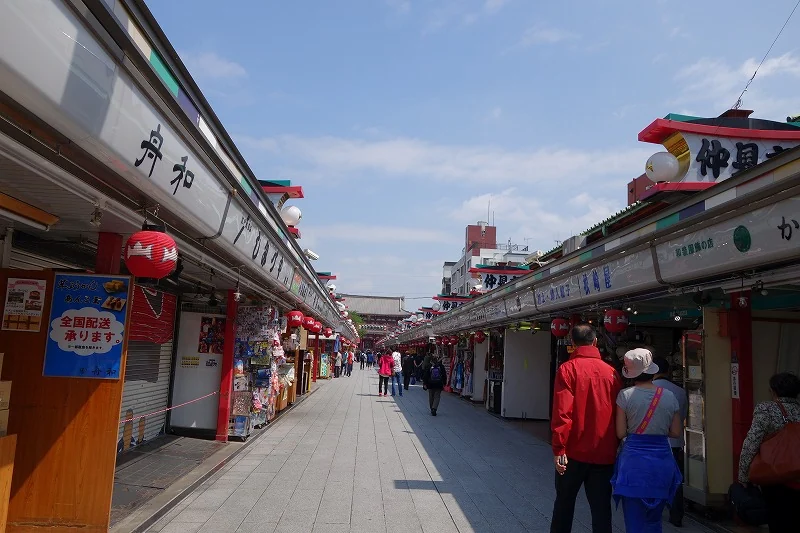
Also, the Nakamise shopping street on the approach to the shrine is lined with many souvenir shops and is a popular tourist destination.
Gohonzon
Holy Kanzeon Bodhisattva
He is believed to be a merciful Buddha who eliminates suffering and grants pleasure upon request.
It is not open to the public as it is considered a hidden Buddhist temple.
Auspicious origin
It is said that in 628 during the Asuka period, when the brothers Hinokuma no Hamanari and Takenari were fishing in Edoura (present-day Sumida River), a Kannon statue was caught in a net.
It is said that Haji no Nakatomo, a local governor, took this opportunity to become a devotee, become a monk, and turn his home into a temple.
In 645, Shokai Shonin is said to have built a Kannon hall. A dream instructed that the image should remain hidden, and it is still not publicly displayed.
Main hall (Kannondo)
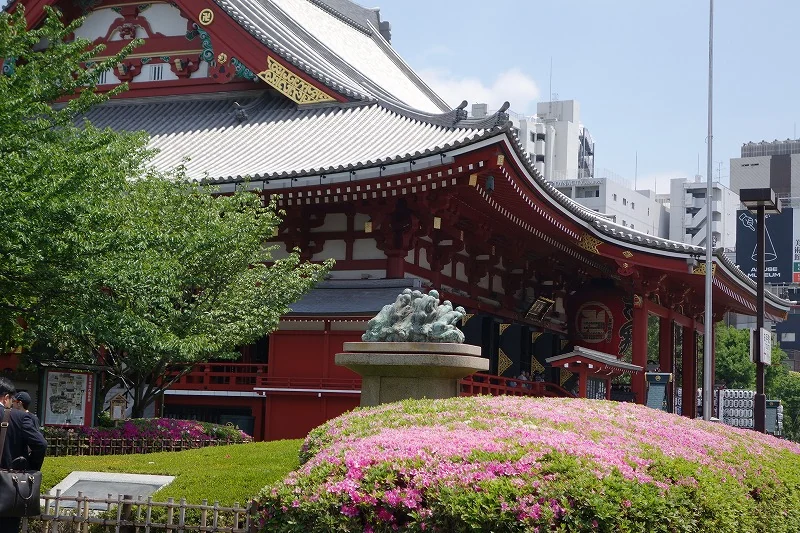
In the center of the inner sanctum, there was a palace where the principal image, Sho Kanzeon Bodhisattva, was enshrined.
In addition to the principal image that is said to be a secret Buddha, there is also a statue of Kannon, which was the guardian Buddha of the Tokugawa family and Prince Konpo, as well as the Maedate Gohonzon.
Fudo Myo-o was enshrined at the back right of the inner shrine, and Aizen Myo-o was enshrined at the back left as attendants to the main image.
Taishakuten and Brahmaten are also enshrined on the left and right sides of the palace.
Yogodo Hall
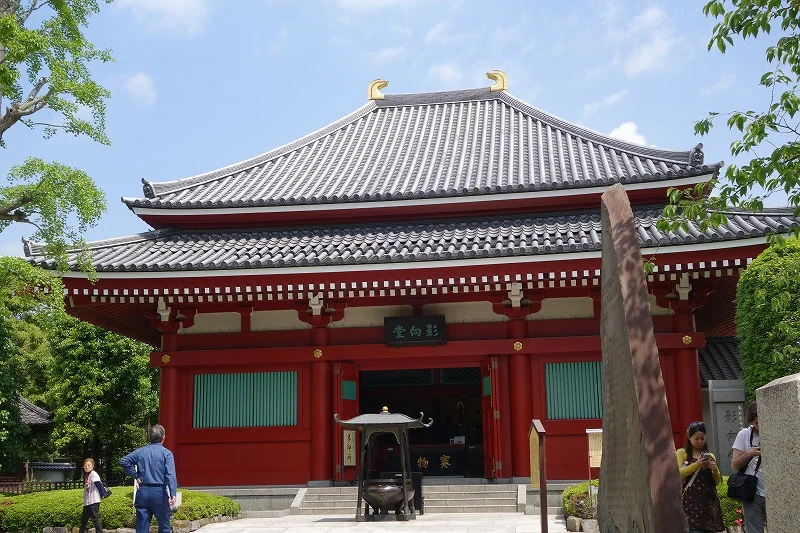
The Buddhas who cooperate with Kannon are called “Yougoshu.”
This is a hall that enshrines the Kagekoshu, with the Bodhisattva Sho Kanzeon in the center.
On the left and right sides of the shrine were enshrined the eight guardian deities for each zodiac sign.
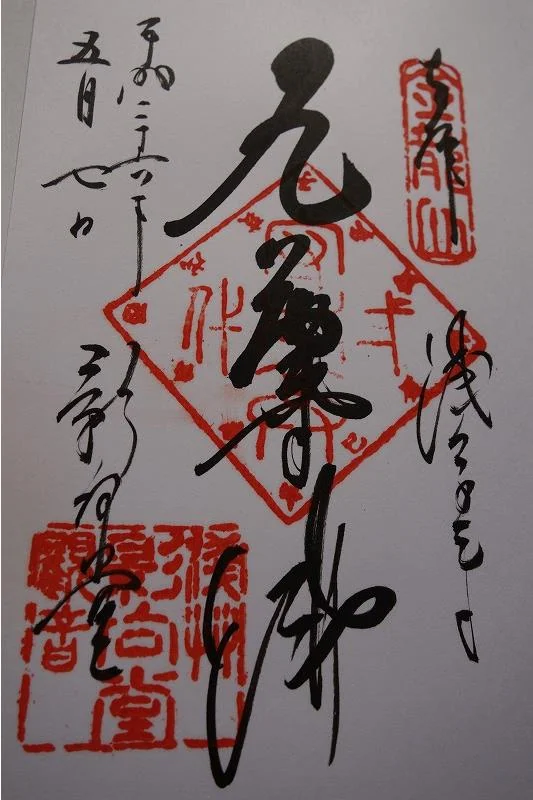
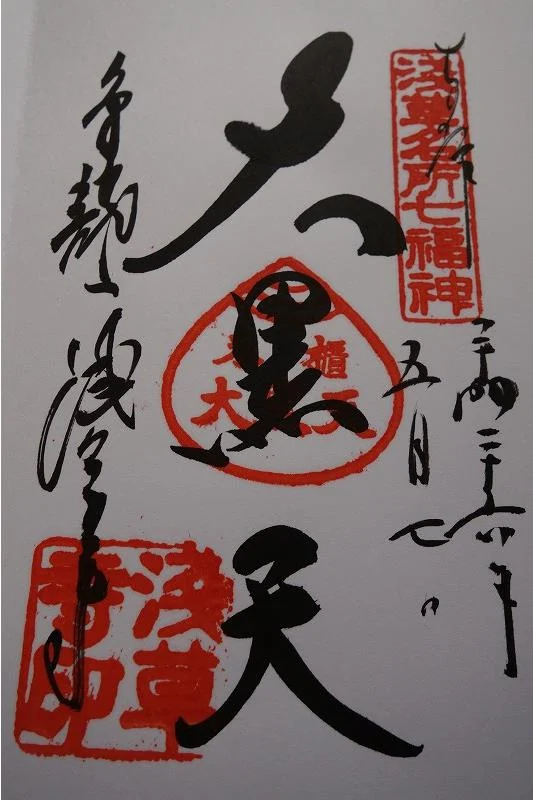
The dark-skinned Daikokuten, one of Asakusa's Seven Lucky Gods, is also enshrined in the hall.
You can request goshuin for Sensoji Temple at the award office in this temple.
I was able to receive three types of deities: one of the principal image of Sho Kannon Bodhisattva, one of Kagemu-shu, and one of Asakusa Shichifukujin.
Kaminarimon Gate (Fuuraijinmon Furaijinmon)
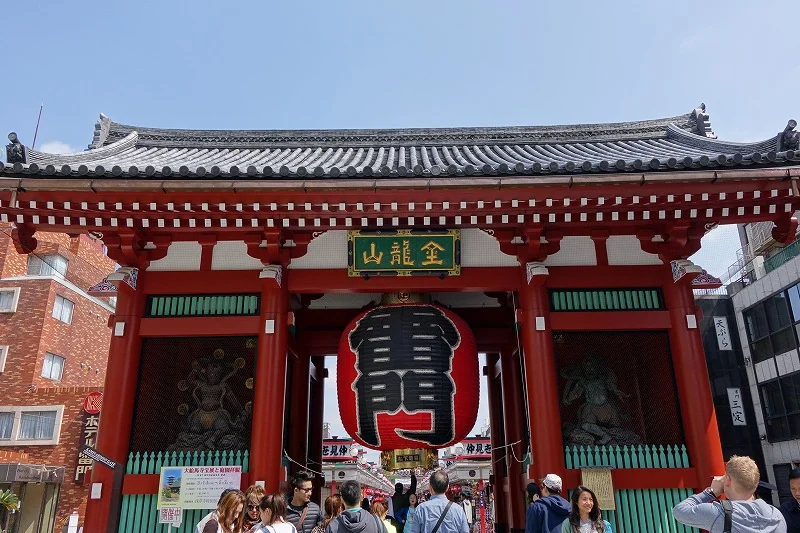
This is a shrine gate built by Taira Kimimasa in 942.
It used to be located in Komagata (near Toei Asakusa Station), but it was relocated in the Kamakura period.
It is said that the god of wind and thunder was enshrined at that time.
Hozomon Hozomon (Niomon)
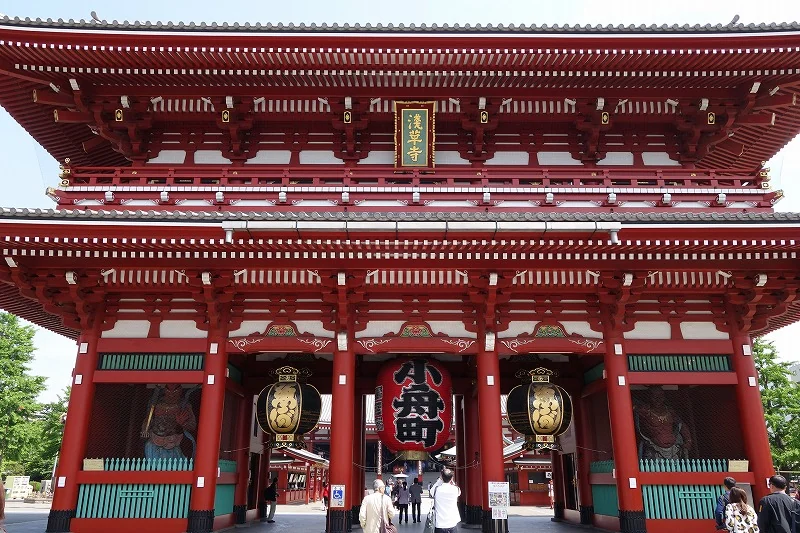
It is said that it was built in 942, the same year as Kaminarimon Gate, by Kimimasa Taira as a thank you for the fulfillment of his prayers.
It has been burnt down several times due to war damage, but it has been rebuilt each time.
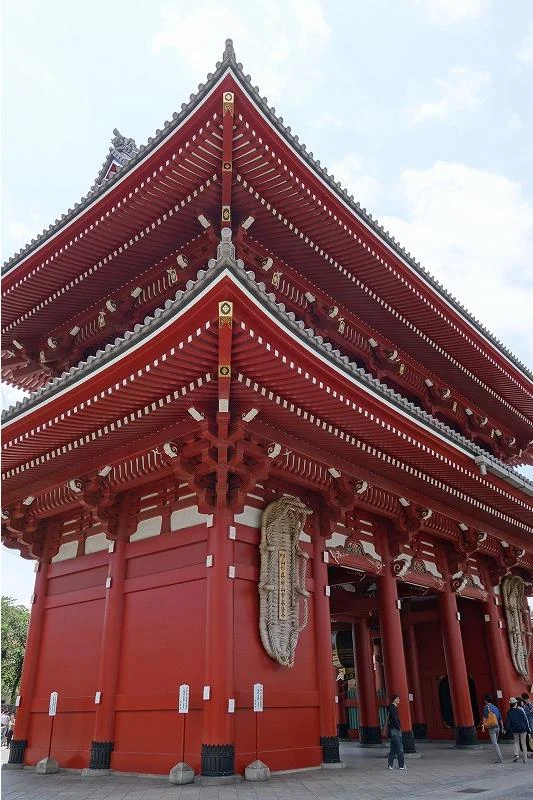
Behind the gate, Nio-sama's waraji is enshrined.
Waraji are said to represent the power of King Ninō, and it is said that the demons will be frightened and leave if they see “a big person wearing such big straw sandals protecting the temple.”
Hymn
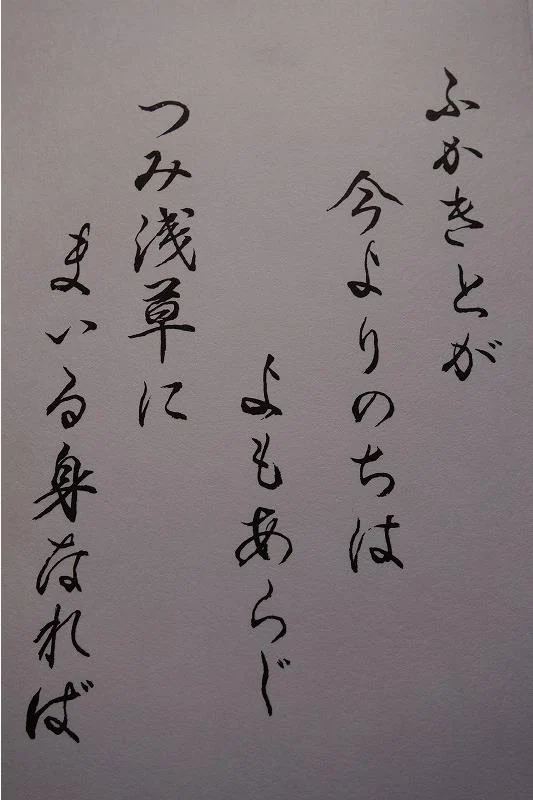
If Fukakito were to come to Yomoaraji Tsumi Asakusa from now on,
Bando Thirty-three Kannon
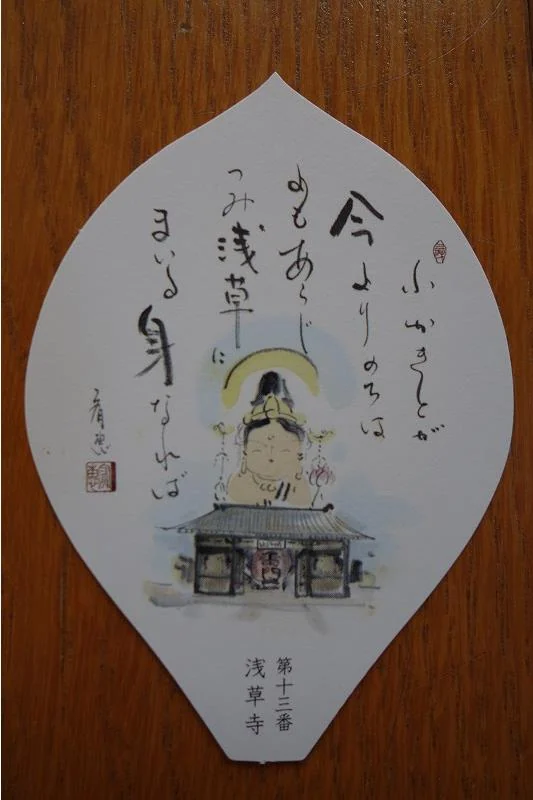
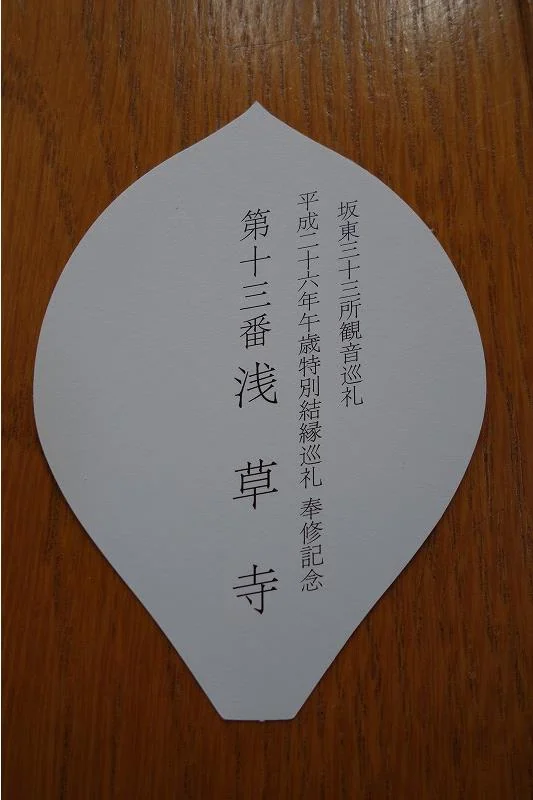
Edo Thirty-three Kannon
Notes from the visit
Sources and scope of verification
- goshuin - Sensoji Temple: goshuin8 to 16:30, special hours on New Year's Day and 46,000 days, Yogodo Hall, 2 types and goshuin book.
- Frequently Asked Questions - Sensoji Temple: Bando 13th, Edo 1st, goshuin on the west side of the grounds.
Official sources were checked on 2026-11-07. The current inventory of goshuin offering and goshuin book/specific special reception hours on the day of the event cannot be confirmed at this time. Designs, prices and arrangements shown in earlier photographs may have changed.
Goshuin and travel information has been checked against official and other cited sources, with unconfirmed points identified. Earlier photographs and personal experiences remain records of their original visits. Check the stated dates for limited designs.