Arai Yakushi Baishoin in Nakano is a Shingon sect temple known for its visits to the Yakushi. I have kept the photo of goshuin that I received previously, and have organized the official visit time and transportation. Depending on the reception/memorial situation, we may not be able to accommodate your desired goshuin, so please don't make too many plans.
Goshuin/Visit confirmation items for Arai Yakushi Baishoin
- Pilgrimage time
- The official website states that it is open from 9:00 to 16:00.
- Reception counter/telephone
- 9:00-16:00. Please check with the Fudasho (General Information Center) for individual reception deadlines for goshuin and goshuin offering.
- Photo of goshuin
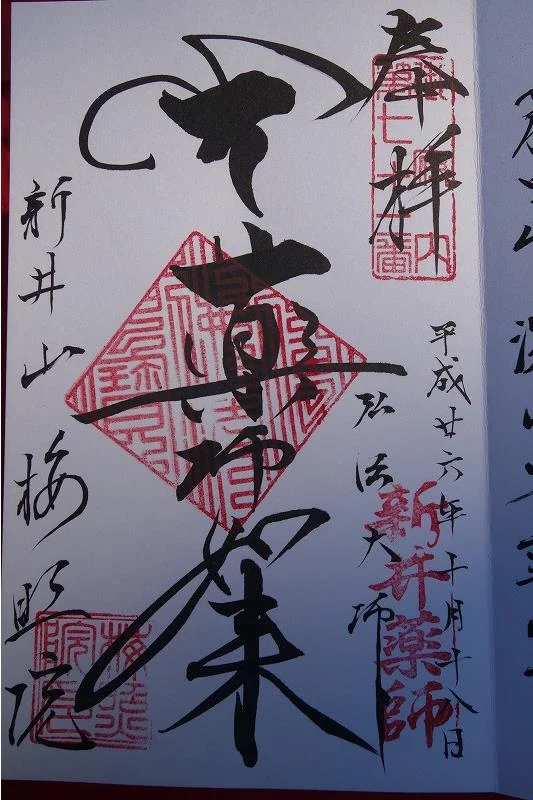
- Ink calligraphy and red seals from previous visits to the shrine are posted. This is not a sample of current writing or design.
- Ease of walking
- The official request states that there are many steps in the temple grounds. If you require assistance, please consider your companion and route before heading out.
Visit to the pharmacist and goshuin
The original article records the history of the temple that enshrines Yakushi Nyorai and Nyoirin Kannon, as well as the previous state of the temple grounds. Being cured of eye disease is a religious wish, and visiting the shrine does not guarantee that your illness will improve.
When requesting goshuin, please visit the temple first and follow the instructions at the temple. Even if you bring votive offerings, you are officially advised to consult with the temple before placing them directly on a Buddhist statue. Prioritize the local notices when taking photos or entering while waiting for goshuin.
Access and location map
According to the official information, it is a 6-minute walk from Arai Yakushi-mae Station on the Seibu Shinjuku Line, and a 13-minute walk from Nakano Station on the JR Chuo Line. If you take a bus from Nakano Station, there is a 1-minute walk from the Arai Yakushi-mae and Kitano Shrine-mae stops.
Location: 5-3-5 Arai, Nakano-ku, Tokyo.
Open Arai Yakushi Baishoin on Google Maps/Check route
Previous visit records and photos (posted in 2014)
The following account preserves the original visit experience and historical introduction. The photographs and encounters at the counter date from that publication; they do not describe a new visit. Old access instructions have been replaced by the checked information above. Historical accounts and spiritual benefits are presented as traditions and beliefs.
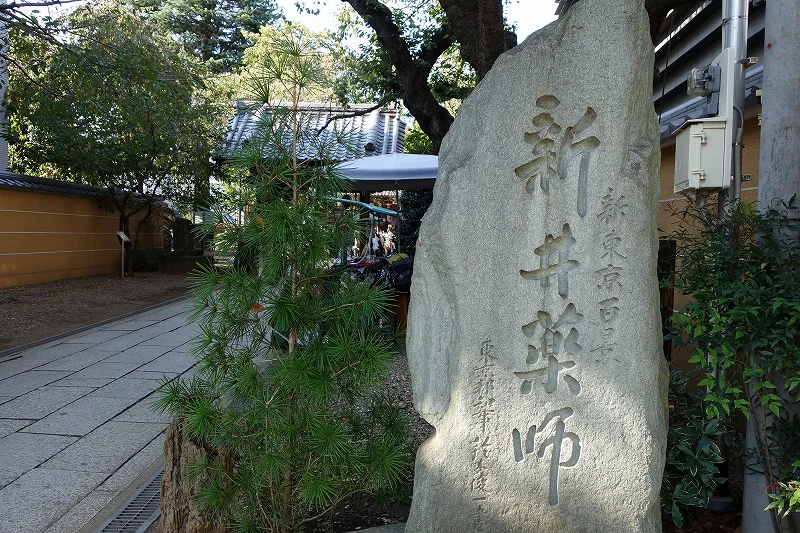
Baishoin Temple, famously known as "Arai Yakushi", is a famous temple in Tokyo that is said to have the benefit of healing eyes.
There is a large park next to it, and a fair is held within the grounds on days marked 8.
Auspicious origin
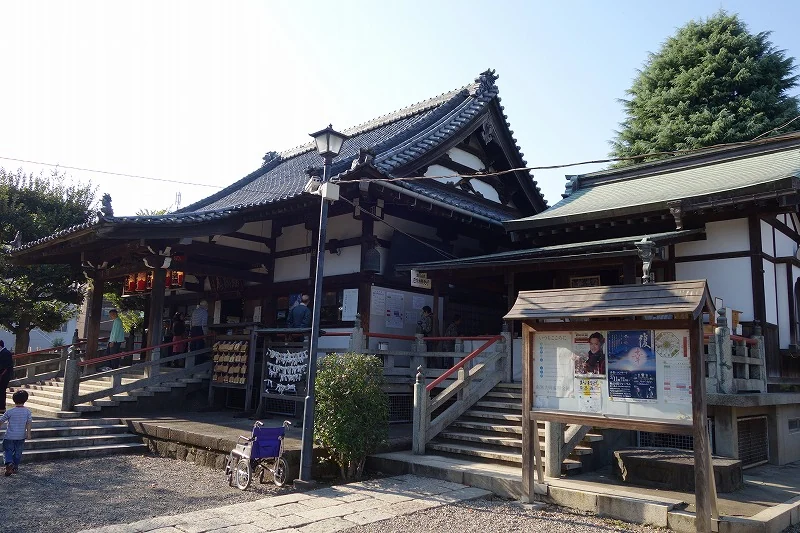
It was originally the guardian Buddha of the Nitta family, a famous military commander from the Kamakura period.
However, one evening during the war between the Northern and Southern Courts, a light suddenly emitted from the Buddhist altar of the castle and the statue disappeared.
As time passed, a monk named Gyoshun from Sagami Province (present-day Kanagawa Prefecture) established a hermitage in the area of Arai, where clear water springs forth, as a place suitable for the practice of Shingon esoteric Buddhism, but every night a phenomenon occurred in which light appeared from an old plum tree in the garden, and on March 21, 1586, when he dug it up, he discovered the statue.
The temple is said to have begun when Gyoshun built a new hall to enshrine the discovered image.
Gohonzon
Medicine Buddha and Nyoirin Kannon
The principal image combines two gilded Buddhist figures carved back to back. Traditionally attributed to Kobo Daishi, it measures 1 sun 8 bu, approximately 5.5 cm.
As it is a hidden Buddha, the opening ceremony is only held in the Year of the Tiger, so I was not able to see its face.
In addition, the main hall was lined with colorful statues of the Twelve Gods, with Yakushi Nyorai in the center and encamped in twelve directions.
Divine virtue
Yakushi Nyorai [Healing diseases (especially eye diseases), healthy longevity, removing disasters, safe delivery]
Nyoirin Kannon [Wisdom, Wealth, Good Fortune, Easy Delivery, Long Life]
During the Edo period, when Kazuko (Tofukumonin), a child of the second Tokugawa Shogun Hidetada, suffered from a serious eye disease, she prayed for healing at many temples, but her illness was not cured.
According to the tradition, her eye condition improved immediately after she prayed to Yakushi Nyorai at Arai Yakushi.
Many others then came to pray for relief from eye conditions, giving the temple its reputation as the Yakushi of the Eyes.
He is also known as the “child-rearing medicine doctor” because he prepared excellent pediatric medicine in 1617 following a revelation from the Tathagata.
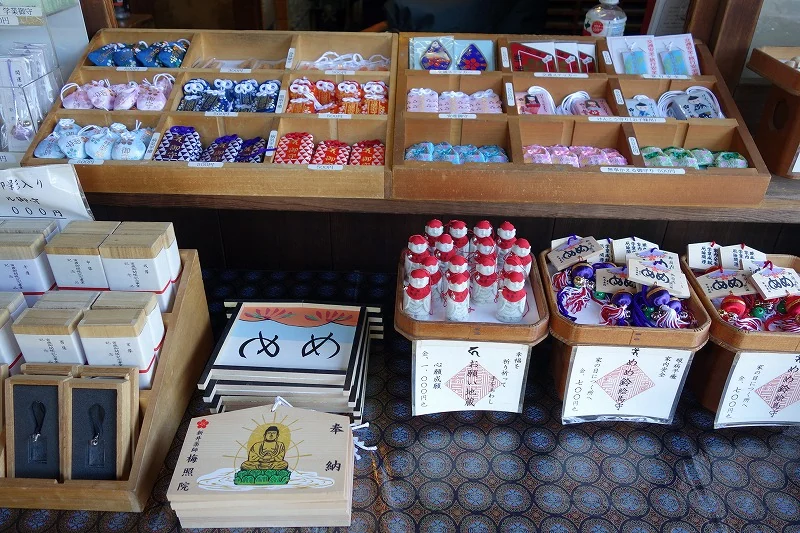
At the gift office next to the main hall, there were many gift items related to eye disease healing, such as "Meme Ema" which has been sold since the Edo period and has a symmetrical "Me" written on it, and an eye disease healing amulet.
Wish Jizo statue
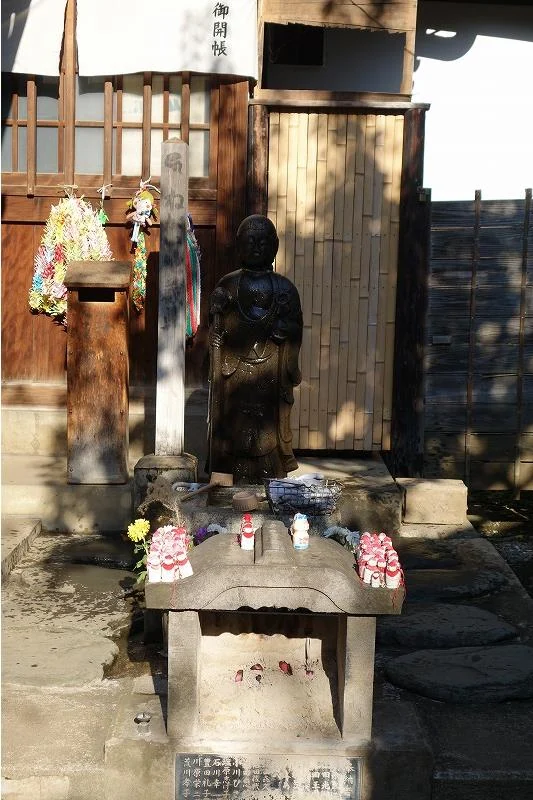
The “Wish Jizo” statue next to Fudo-do Hall is said to make your wish come true if you pour water over the Jizo's body with a ladle and brush the area you want healed with a scrub brush or sponge while praying for healing.
Arai Yakushi Park
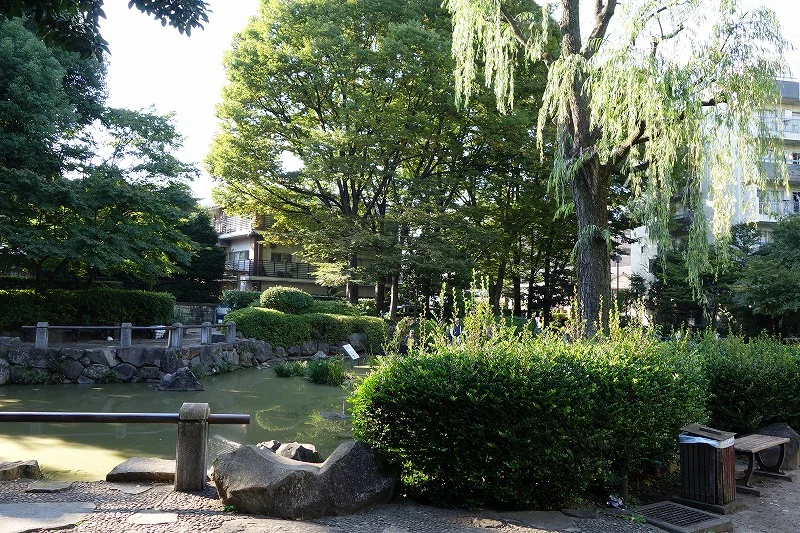
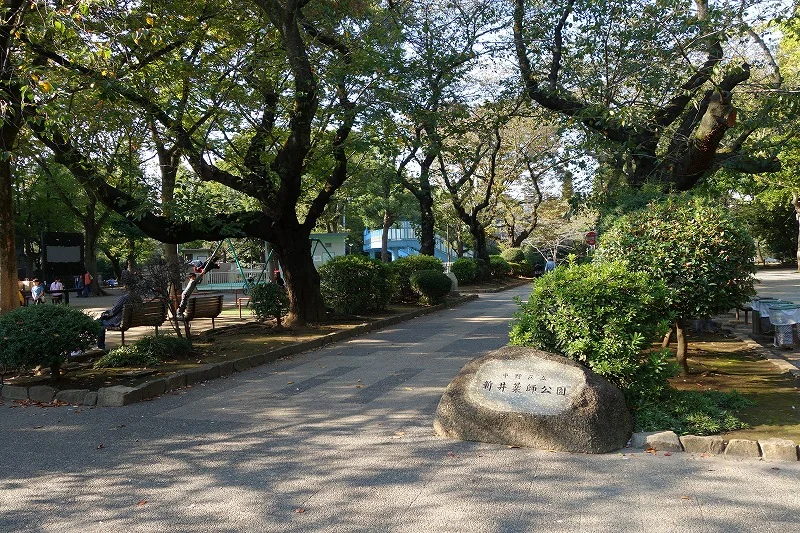
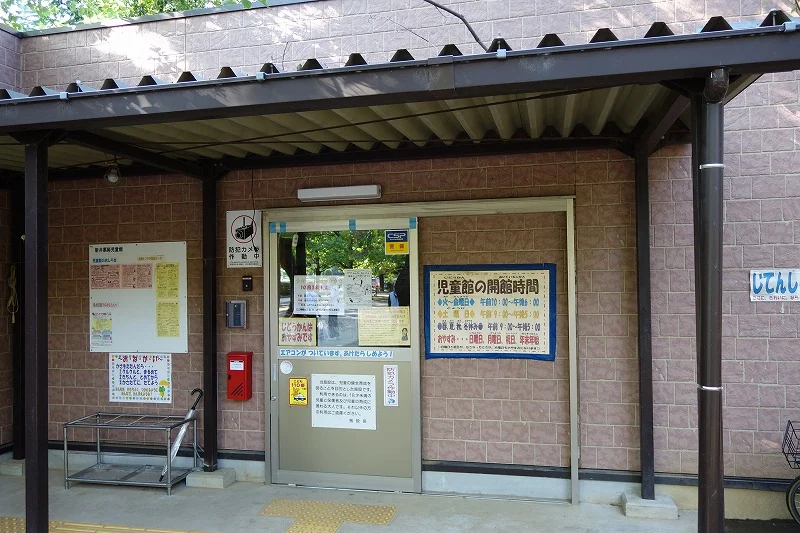
There was a large park with lush greenery at the back of the temple grounds.
There were many trees growing thickly, and I saw many walkers casting fishing lines at the pond.
Notes from the visit
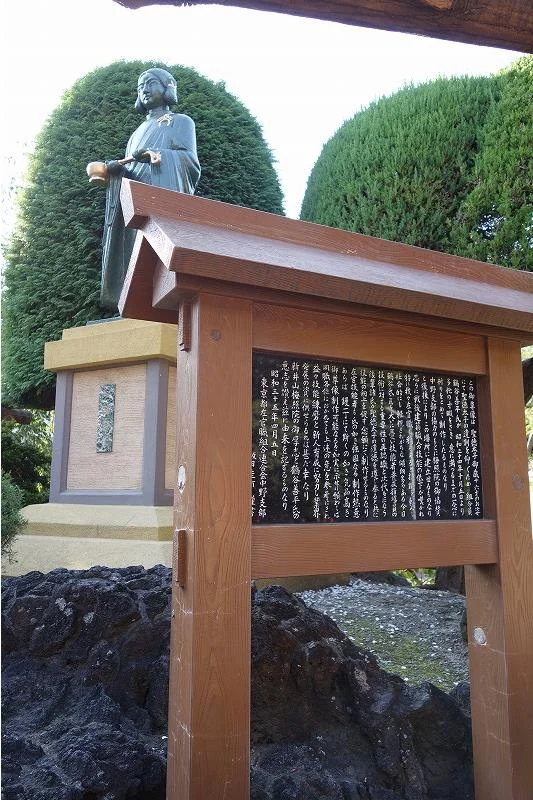
-
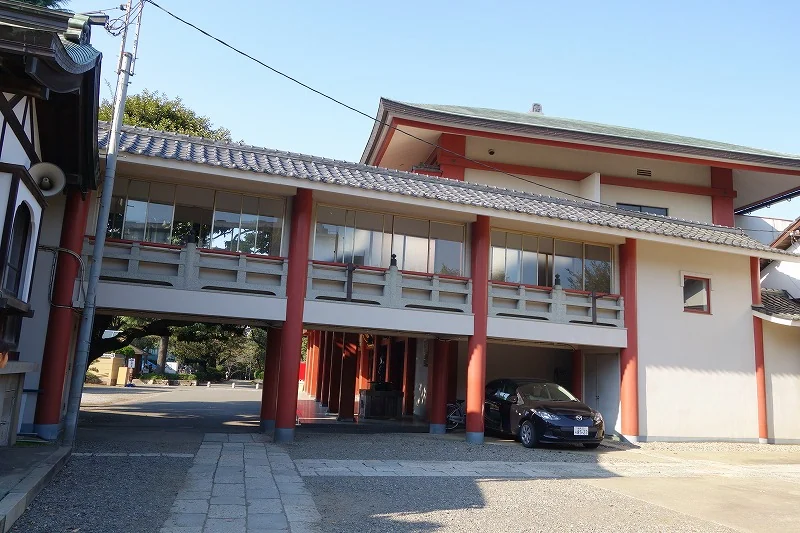
- This back part is connected to the park.
-
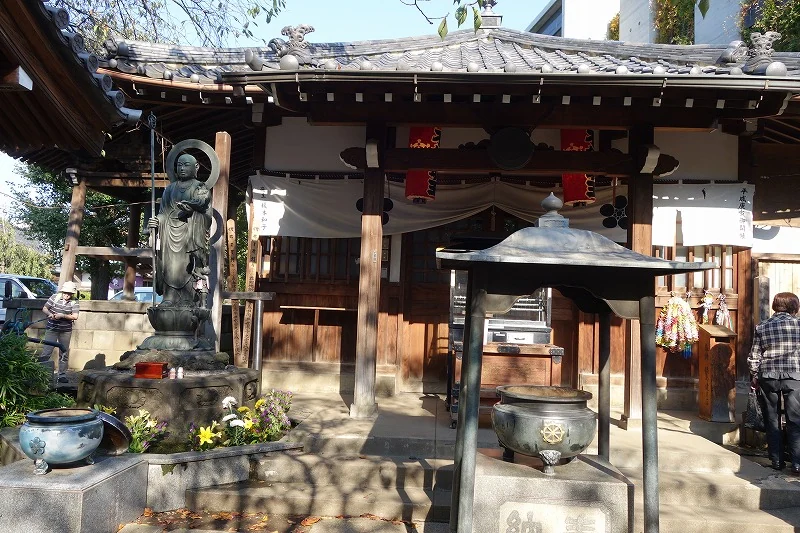
- Fudodo
-
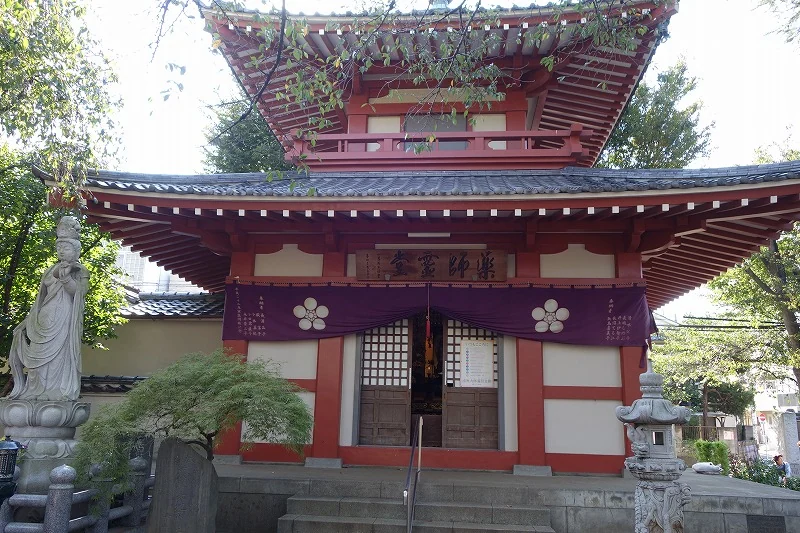
- Statue of Yakushi Pagoda, Merciful Mother Kannon and Daishi’s Ascetic Journey
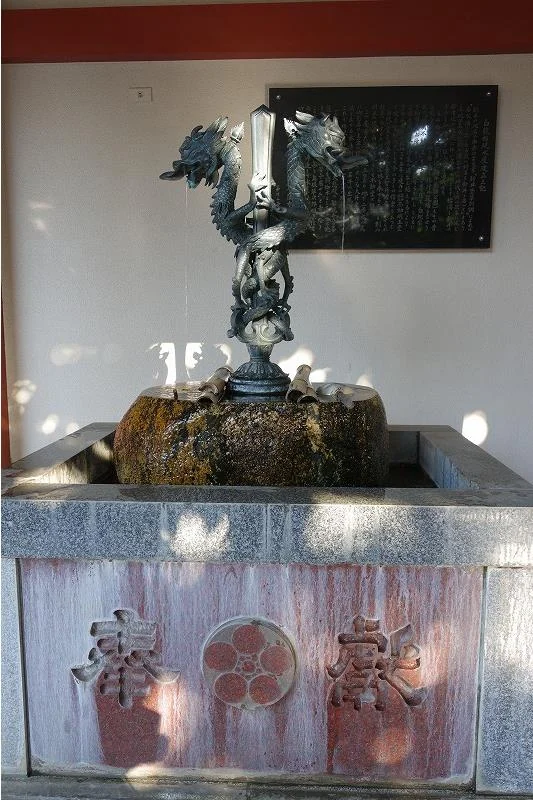
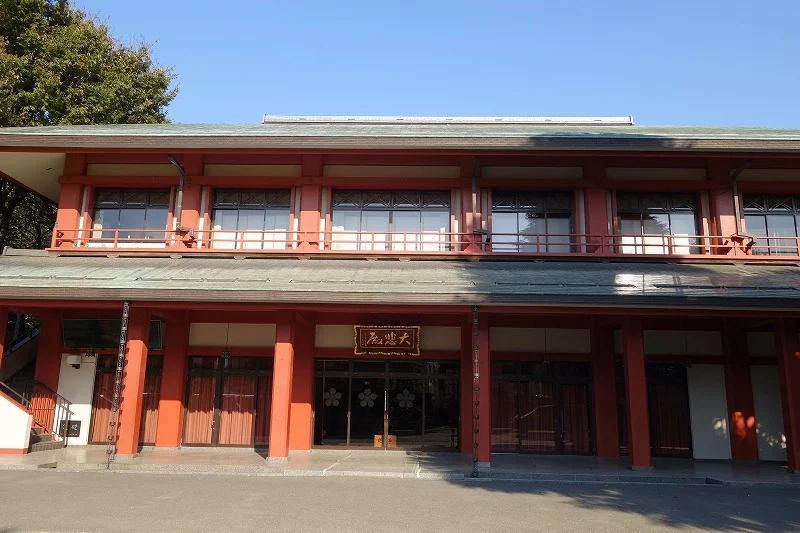
Visiting time: Approximately 1 hour
Pilgrimage hours: 9:00 a.m. to 5:00 p.m.
Sources and scope of verification
- Access|Arai Yakushi Baishoin: Location, Pilgrimage/Counter 9:00-16:00, 6 minutes walk in front of Arai Yakushi, 13 minutes walk from Nakano, 1 minute walk from the bus stop.
- Request from our hospital|Arai Yakushi Baishoin: Please consult with the temple about the steps in the grounds and offerings.
Official sources were checked on 2026-11-07. Current goshuin offerings, direct inscriptions, the dedicated counter's closing time and event-day changes remain unconfirmed. Earlier photographs do not guarantee today's designs, prices or service.
Goshuin and travel information has been checked against official and other cited sources, with unconfirmed points identified. Earlier photographs and personal experiences remain records of their original visits. Check the stated dates for limited designs.