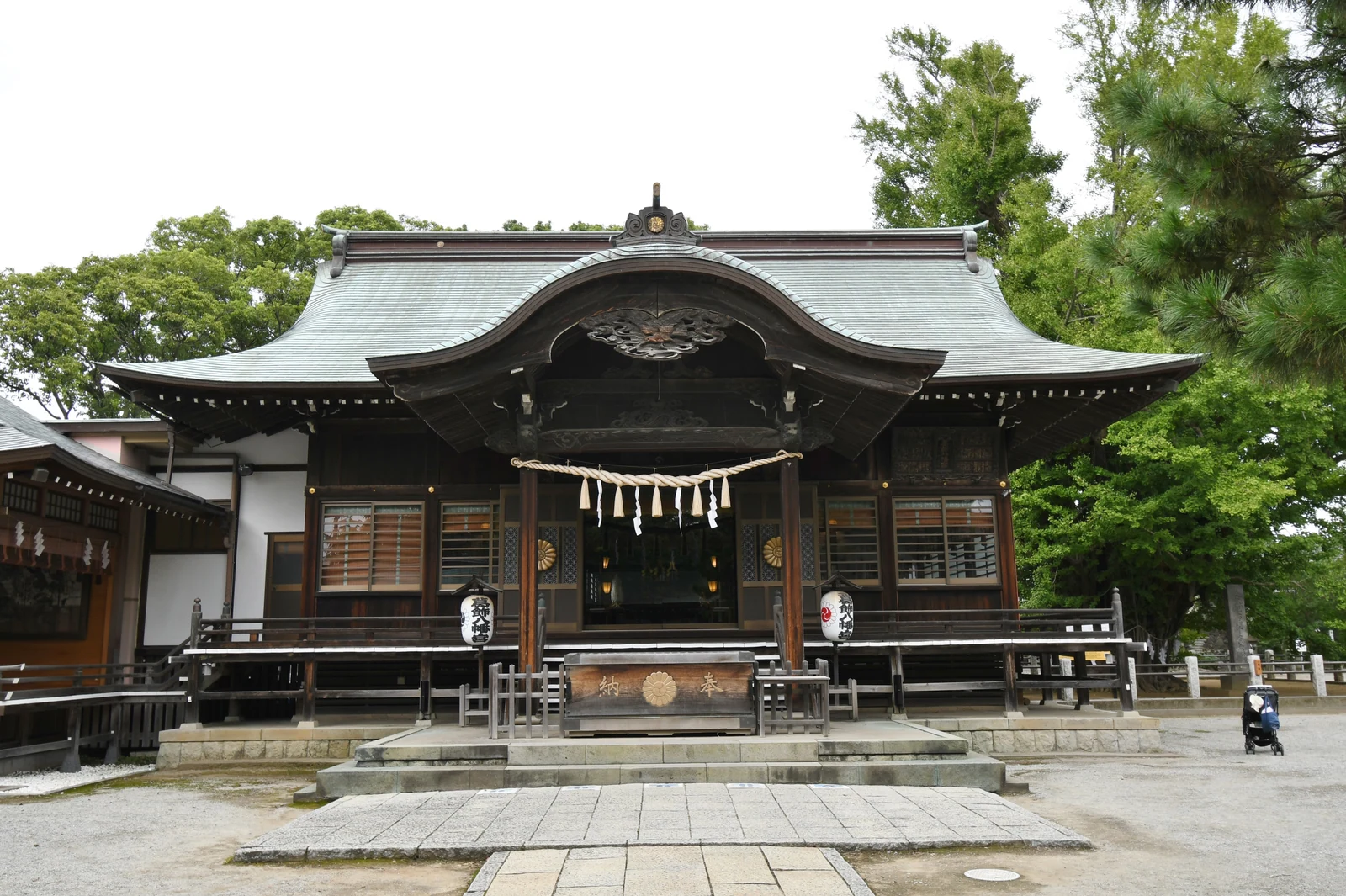
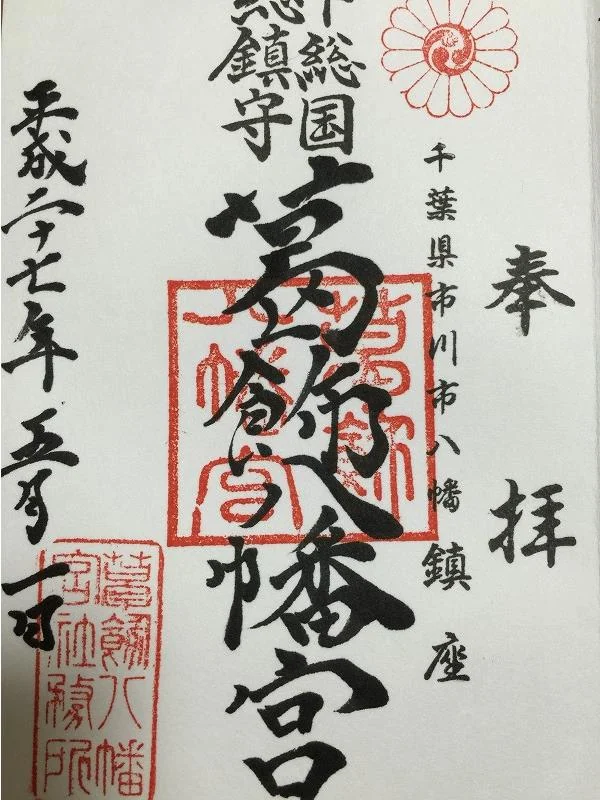
Katsushika Hachimangu is a shrine located in Yahata, Ichikawa City, Chiba Prefecture. We have summarized the points you should keep in mind before visiting the shrine from official information, such as whether goshuin handwritten directly in your book is available for goshuin book and where to receive goshuin at other shrines.
Can goshuin of Katsushika Hachimangu do goshuin handwritten directly in your book?
The official guide states that direct inscriptions in visitors' goshuin books are not offered at any time of year. Prepare to receive your goshuin on a separate sheet rather than expecting an inscription in your own book.
- Goshuin hours
- As a general rule, 9:00-16:00. There may be changes during the year-end and New Year holidays.
- offering
- All three types officially listed are 500 yen each.
- Direct entry
- The shrine states that direct inscriptions in visitors' books are not offered at any time of year.
- Contact
- 047-332-4488(Katsushika Hachimangu office)
Source: Katsushika Hachimangu Official · goshuin (Confirmation date: November 7, 2026).
3 types available at Katsushika Hachimangu
In addition to our shrine, the official page provides information on Rokusho Shrine, which also serves as a shrine, and goshuin of Shiranamori Shrine. The point you should keep in mind when planning your visit is that the reception area for goshuin is separate from the place you are visiting.
- Katsushika Hachimangu:goshuin of Shimousa Kokusō Chinju.
- Rokusho Shrine:goshuin of Shimousa Kokuso Shrine, located in Swada, Ichikawa City.
- Shiramori Shrine: goshuin, a shrine enshrined in "Yawata no Yabushirazu".
Goshuin book is also posted on the official page. If you would like to receive a new goshuin book, please check the current type, offering, and stock on the official goshuin guide.
Precincts you should see together with goshuin
The sacred tree Senbon Icho is a nationally designated natural monument that is officially estimated to be approximately 1,200 years old. The sight of many trunks nestled together conveys the belief in matchmaking. This is a highlight of the temple grounds, whose appearance changes depending on the season.
The Zuishinmon on the approach was once the Nio gate of the shrine's associated Buddhist temple. Its later role reflects the separation of Shinto and Buddhism. The gate and sacred tree offer historical context beyond the goshuin itself.
Source: Katsushika Hachimangu Official Deity and History (Confirmation date: November 7, 2026).
Access/Parking and Google Maps
The location is 4-2-1 Yahata, Ichikawa City, Chiba Prefecture. Official information says it is a 5-minute walk from Keisei Electric Railway's Keisei Yahata Station, and a 10-minute walk from JR Sobu Line/Toei Shinjuku Line's Motoyawata Station.
About 15 minutes by car from Keiyo Road "Ichikawa IC". The officially listed parking lot is Paid, 26 spaces. The time required will vary depending on road conditions, so please depart with plenty of time.
Source: Katsushika Hachimangu official transportation information, Location/office information (confirmed date: November 7, 2026).
Open Katsushika Hachimangu on Google Maps/Check route
An earlier visit and photographs (published in 2015)
This is an introduction to the worship experience and history in the original article. The photos and testimonials are from the time they were published, and do not represent the current site visit or confirmation of the current situation. For goshuin reception and transportation, please see the official information above.
Located right next to Motoyawata Station on the JR Sobu Line, this is a historic shrine that is said to be the origin of the place name "Yawata".
The “Boro Market” held on the approach to the shrine in September is famous for its stalls selling agricultural tools and other items.
The grounds contain a monument to singer Haruo Oka, outdoor sculptures by Shunsho Fujino and Rikisaku Osuga, a monument to the Yawata Ondo song and a stone bearing a haiku by Kobayashi Issa.
Enshrined deities
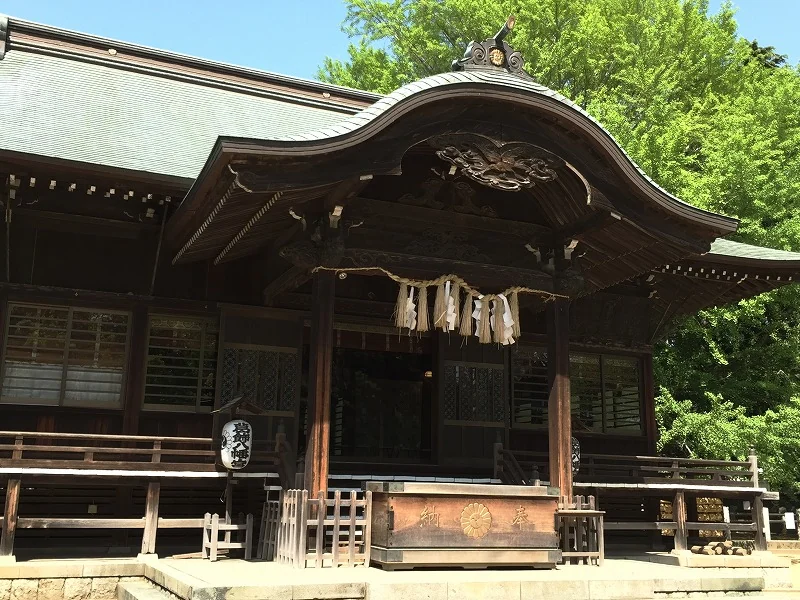
Hondawake no Mikoto (Emperor Ojin)
...The divine virtue of warding off evil spirits and good luck, the ancestor of civilization and the god of industrial development
Okinagatarashihime no Mikoto (Empress Jingu)
... God of safe childbirth and military luck
Tamayorihime no Mikoto
... God of childcare protection
History and traditions
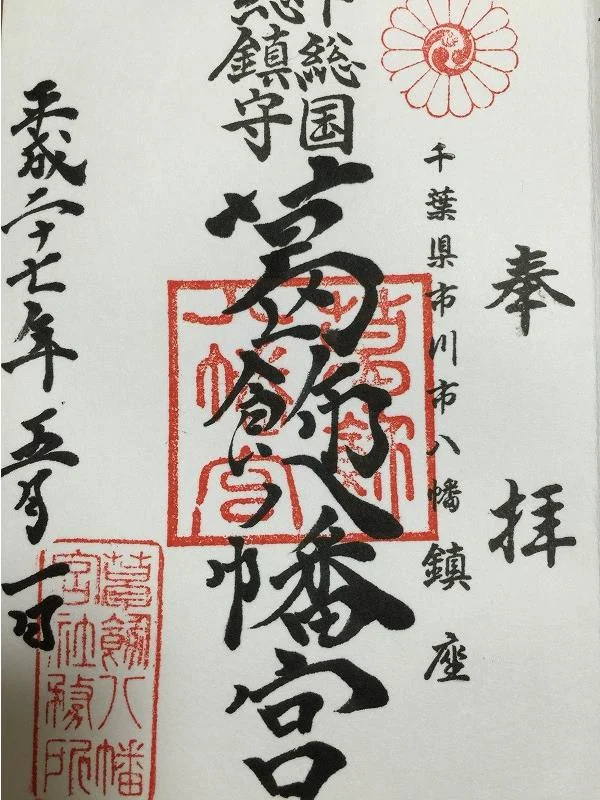
The shrine is traditionally said to have been founded during the Kanpyo era (889–898), at Emperor Uda's request, by inviting the deity of Kyoto's Iwashimizu Hachimangu.
It is said that the shrine was revered by military figures, and it is said that Taira no Masakado's dedication, Minamoto no Yoritomo's renovation of the shrine building, Ota Dokan's restoration of the shrine altar, and in 1591, the shrine was given the goshuin certificate of 52 koku shrine territory from Tokugawa Ieyasu.
Meiji 13 (1880) was ranked as a Gosha.
Zuishinmon
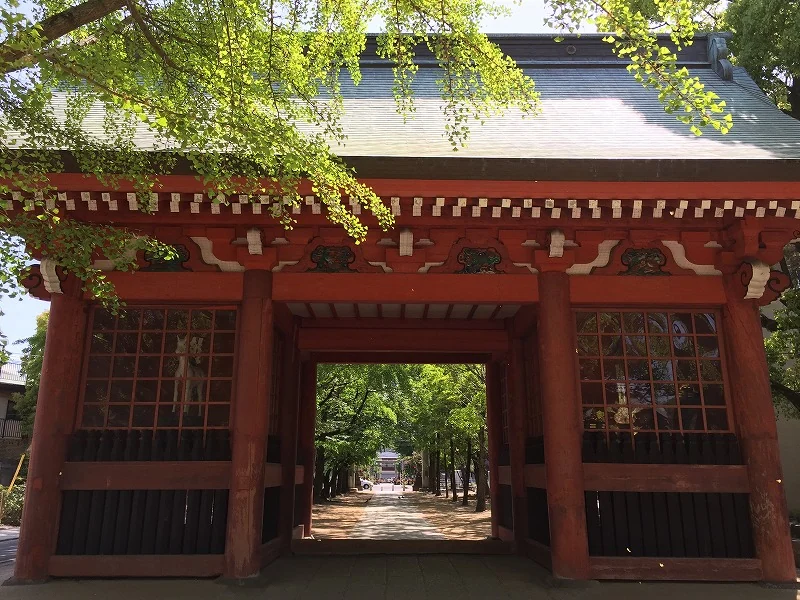
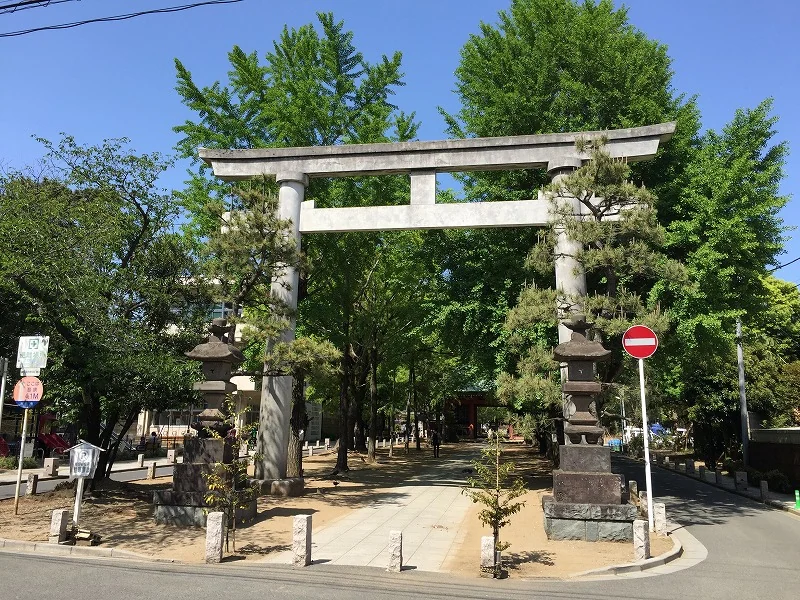
If you cross the railroad crossing from National Route 14 and follow the long approach, you will see a large red gate.
It seems that Zuishinmon is designated as a designated tangible cultural property by the city.
It is a Japanese-style wooden single-story gabled structure with a structural style called an “eight-legged gate,” with three pillars in the front and two pillars in the back.It has been designated as a tangible cultural property by the city due to its distinctive pillars, beams, and knitting that supports the eaves.
The roof used to be thatched, but it has now been replaced with copper plates, and there are signs that the shaft has been repainted several times.
This gate was the main gate of Tendai sect Hachimanzan Hozenji, a subsidiary temple of Ueno Toeizan Kan'eiji, which was the betsuji of this shrine until the Meiji Restoration. Due to the separation of Shinto and Buddhism, it was renamed Zuishinmon, and the Nio statues that had been enshrined on both sleeves were also transferred to Tokuganji in Gyotoku, where the current Zuishin was enshrined.(From the precinct bulletin board)
Senbon Gongsun Tree
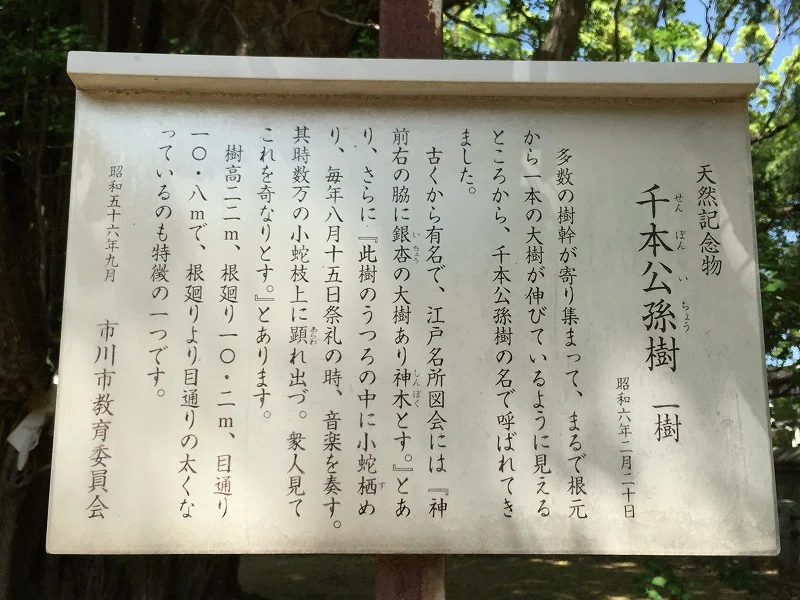
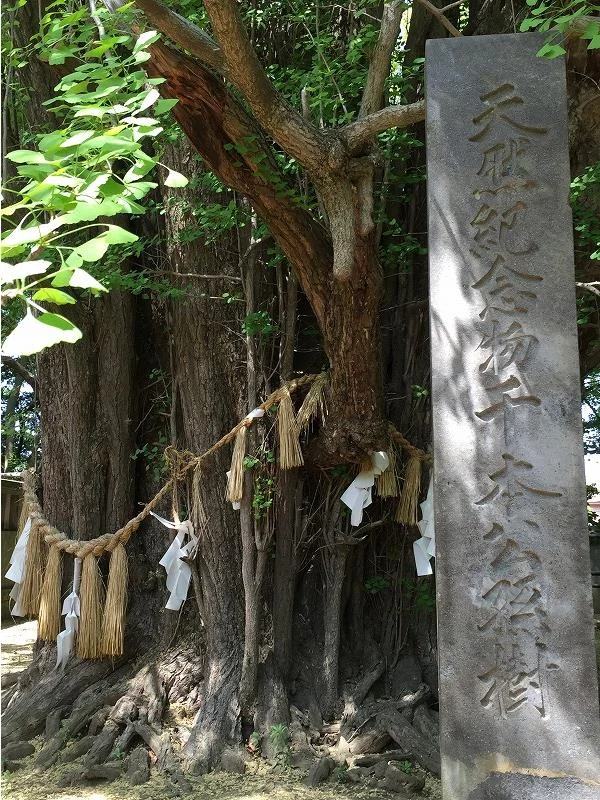
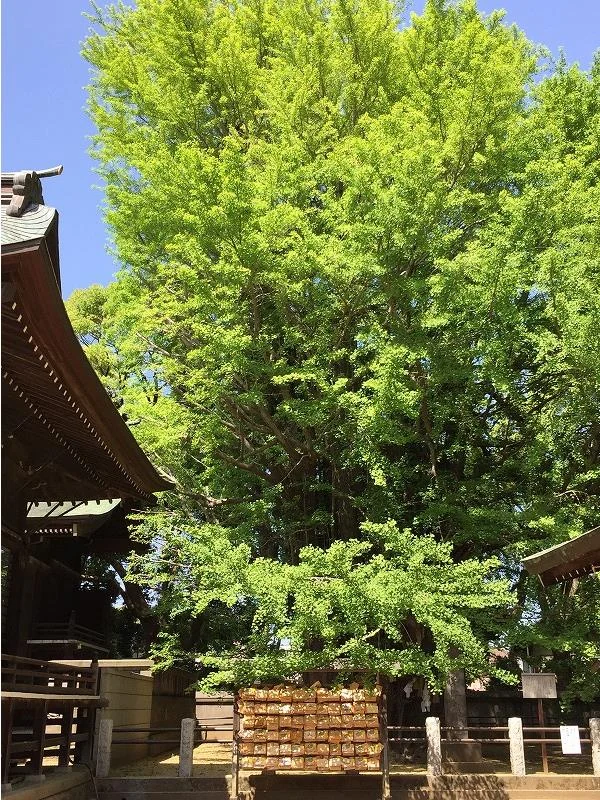
On the right side facing the main shrine, there is a large ginkgo tree that is over 1,200 years old and 22 meters tall, and is designated as a national natural monument.
It is called "Senbon Ginkgo" because of the appearance of countless branch trunks surrounding the main trunk.
The way they stand close together is said to have the divine virtue of matchmaking.
The yellow leaves are the symbol of Katsushika Hachimangu and are also featured on the cover of goshuin book.
Precinct shrine
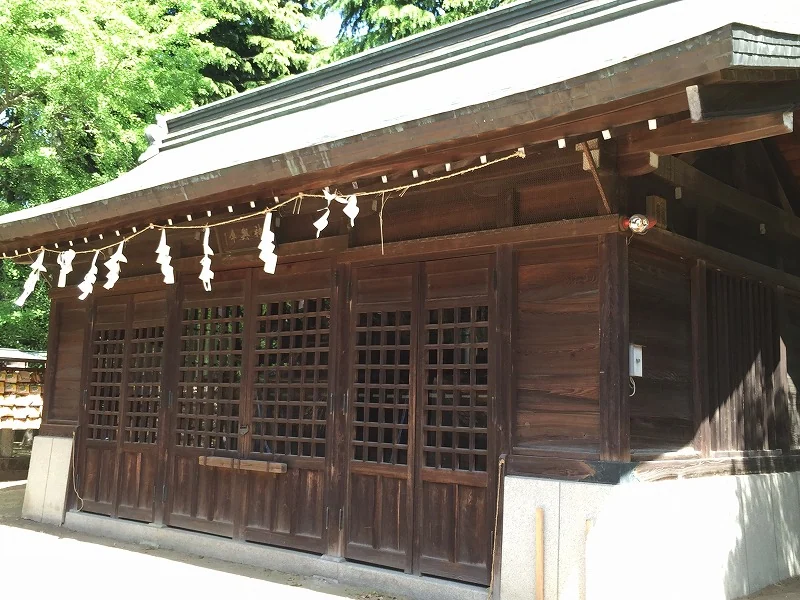
Tenmangu Shrine, Onoe Inari Shrine, Yasaka Shrine, Sengen Shrine
A small Fuji mound stands to the right of the Senbon Icho tree, with Itsukushima Shrine beside it.
Kagura Hall
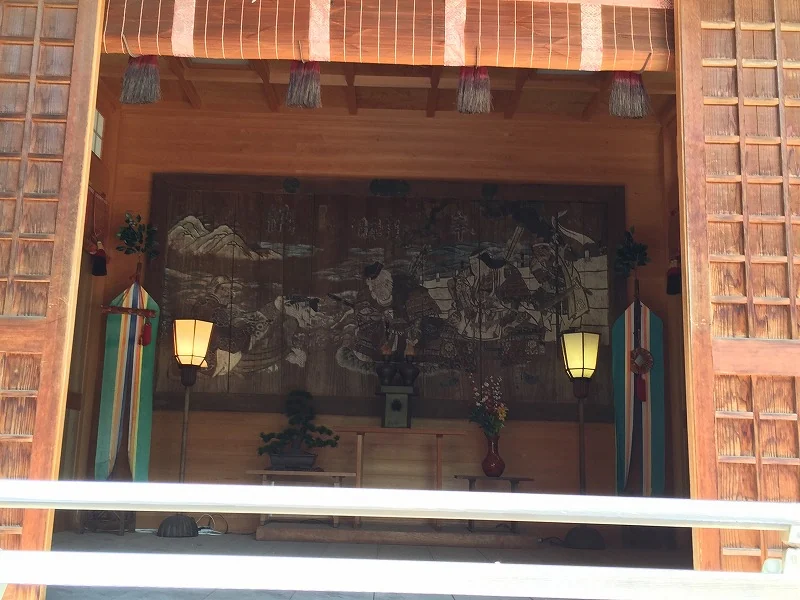
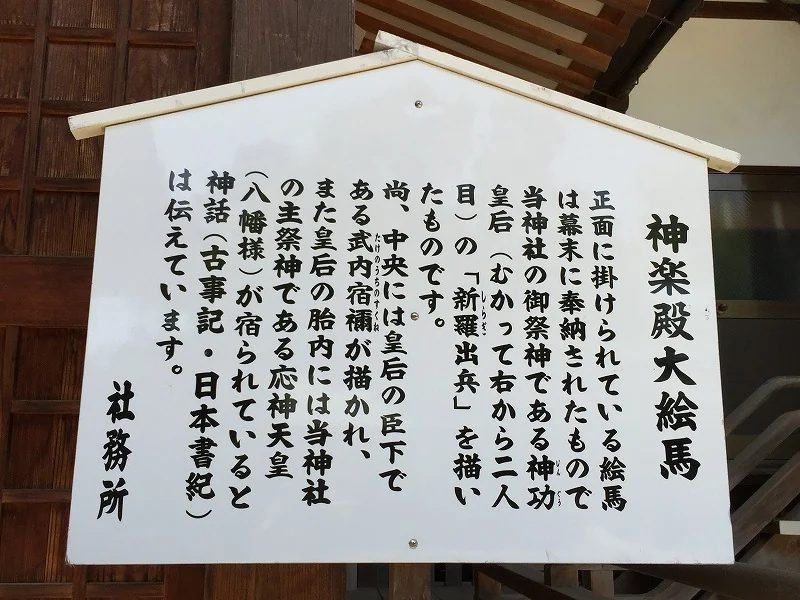
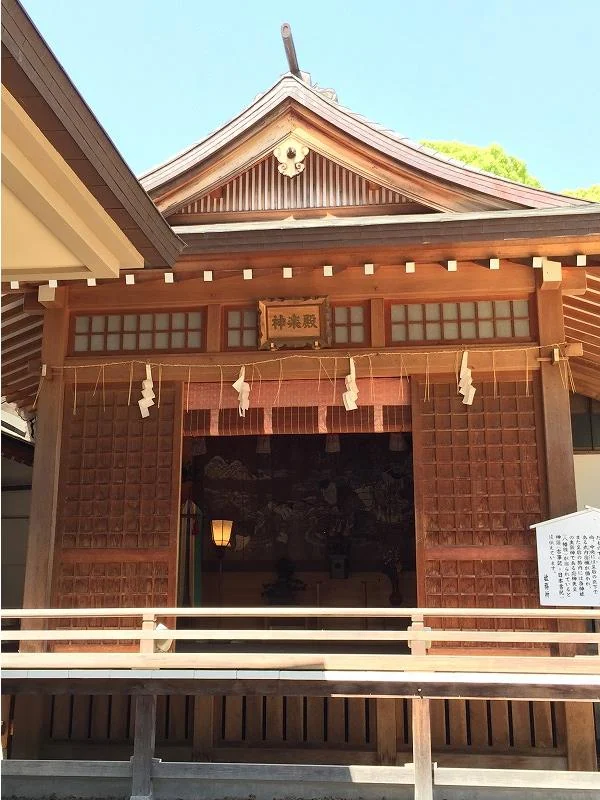
Kawakami old man's virtue monument
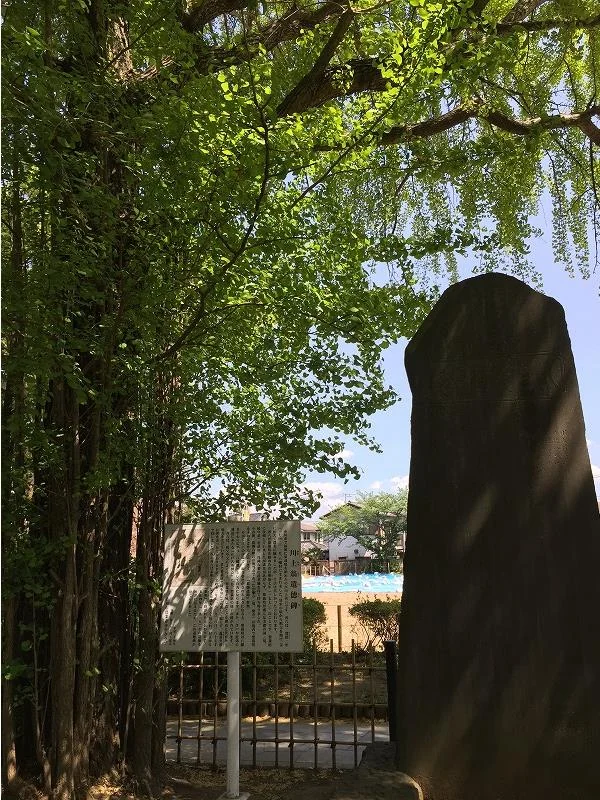
Yawata Festival
Once every three years, a festival is held where a large mikoshi is paraded through the town of Yawata.
On the eve of the festival, known as the “Yoi Matsuri,” large mikoshi and children's mikoshi are displayed, and a fair is held.
Notes from the visit
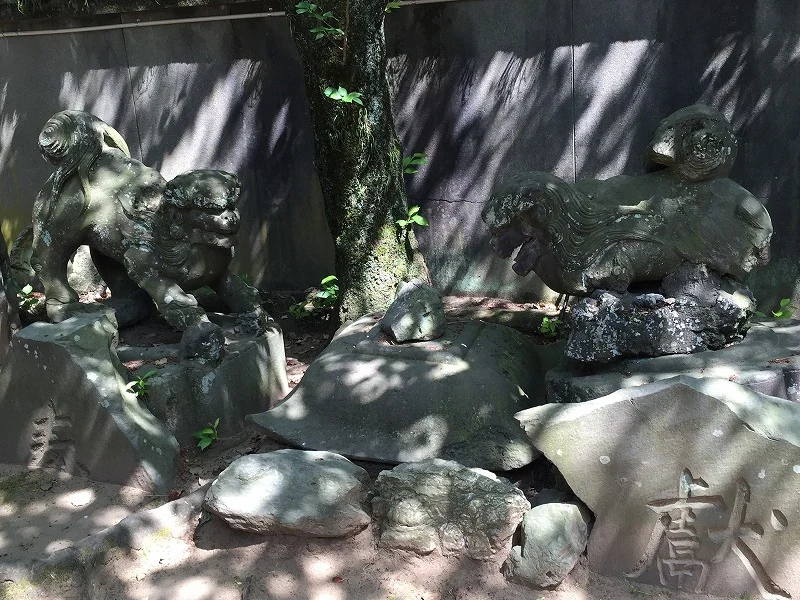
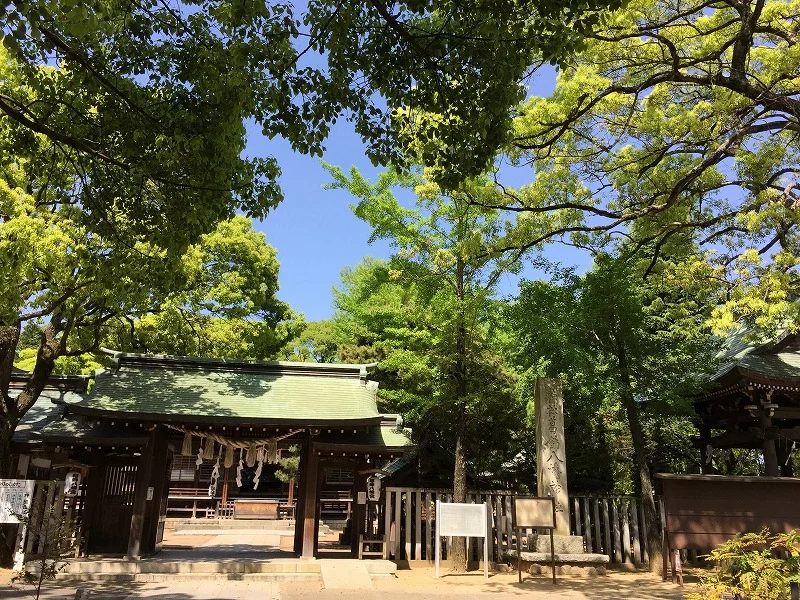
This shrine has many other attractions, such as the Minamoto no Yoritomo Komadome stone, stone statue, and bell tower.
There are also very cute guardian dogs.
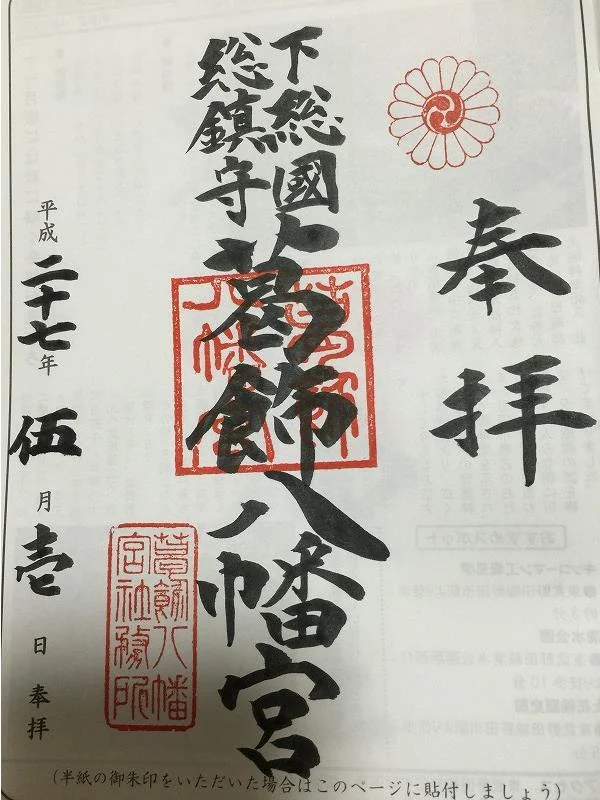
I was able to request goshuin at the shrine office on the left as you face the main shrine.
At the time, an original goshuin book embroidered with the Senbon Icho ginkgo was available.
It is also one of the shrines on the Fusanokuni Shrine goshuin tour, and you can receive goshuin there as well.
Sources and scope of verification
Goshuin type, offering, reception hours, award method, and transportation information were confirmed on the official page on November 7, 2026. The photos in the second half and the experience of visiting the shrine at that time are records published in 2015.
Goshuin and travel information has been checked against official and other cited sources, with unconfirmed points identified. Earlier photographs and personal experiences remain records of their original visits. Check the stated dates for limited designs.