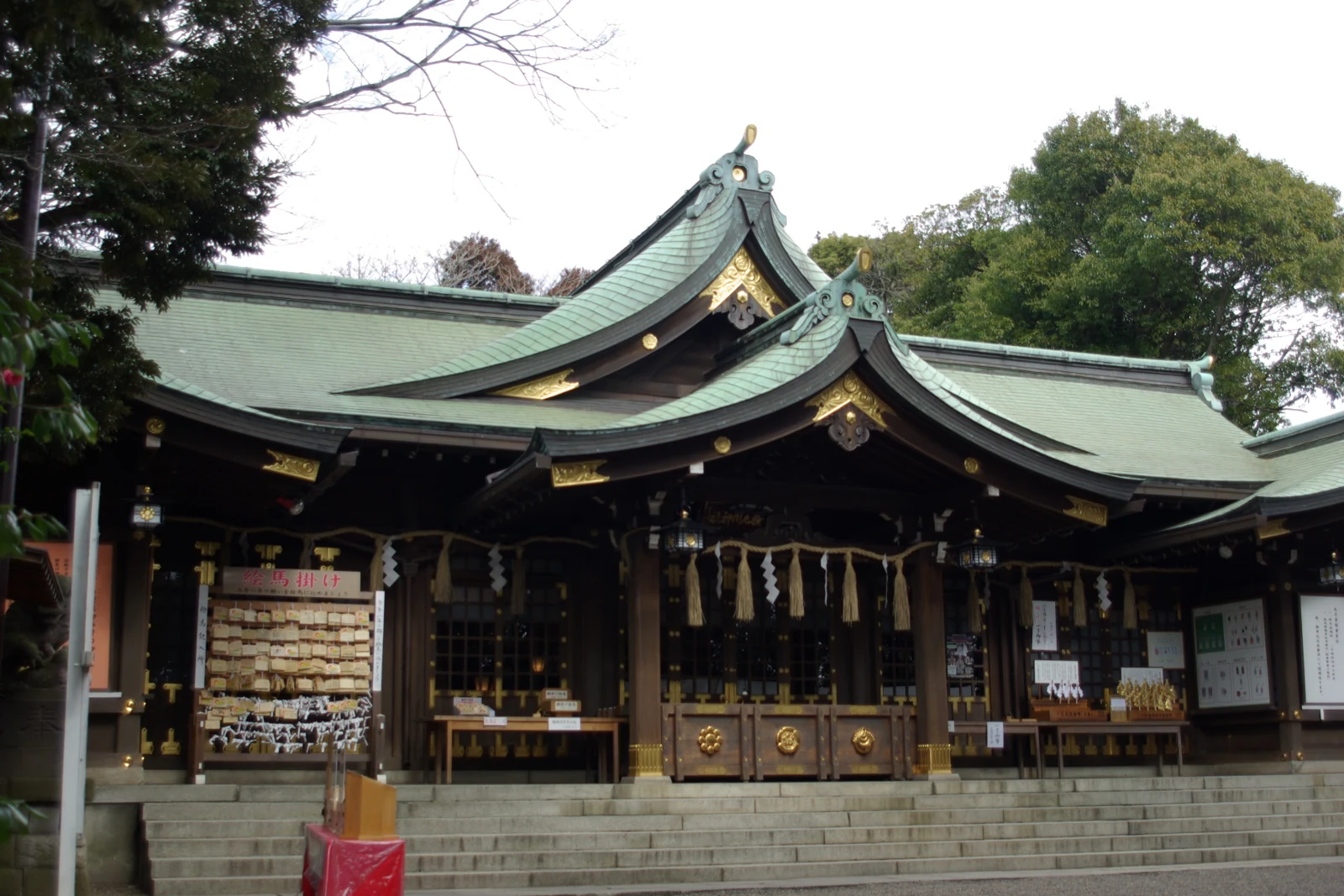
Kemigawa Shrine in Chiba's Hanamigawa Ward is known for protection from misfortune in all directions. Alongside an earlier goshuin, this guide explains how to check monthly and festival designs. Confirm the official notice for the month you plan to visit, as designs and dates change.
Goshuin/Visit confirmation items for Kemigawa Shrine
- Latest information on goshuin
- The official goshuin page directs visitors to the shrine's Instagram for announcements.
- Monthly/Limited
- The official page has information on monthly specials, festival limited editions, seasonal cutouts goshuin, etc. Be sure to check the distribution period and conditions for the month you visit.
- Acceptance conditions
- Dedicated goshuin hours, offerings for individual designs and direct-inscription arrangements on the day remain unconfirmed.
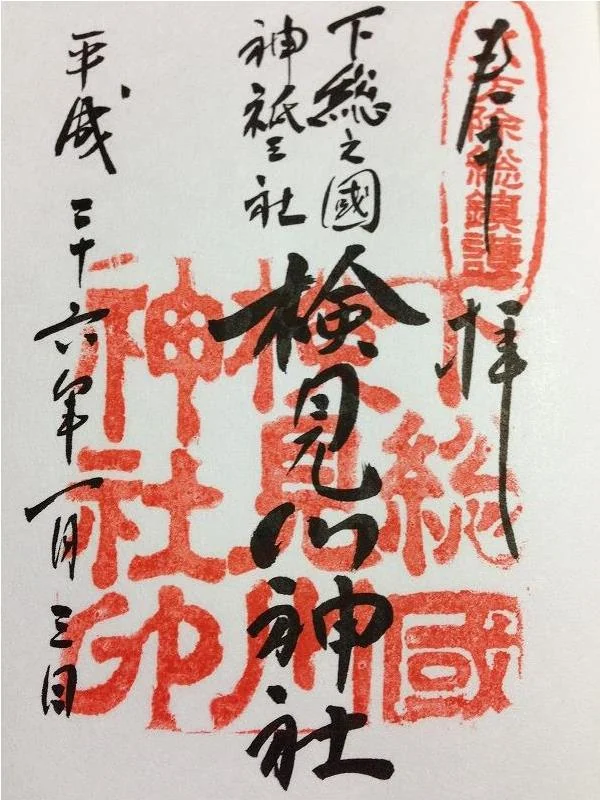
- Published photo
- This is the ink calligraphy goshuin that I received in the past. This is not a photo of the current monthly design.
Limited goshuin, check the distribution period before the photo
Monthly and festival designs may be available only on particular dates. Check an official social-media post's year, month, availability period and issuing method, rather than planning from an image alone.
The official goshuin page directs you to the shrine's Instagram. It is important to check the year display to avoid confusing it with old articles or information for the same month from the previous year.
You can visit the shrine on foot from two stations.
If you are using JR, the nearest station is Shin-Kemigawa Station, or if you are using the Keisei Line, Kemigawa Station is the closest. Although the station names are similar, they are different stations, so be sure to check the route and exit at the same time.
The shrine building photos and goshuin photos posted here are past records. Please give priority to the official information at the time of your visit regarding reception hours and parking lot usage, while using it as a reference to learn about the situation inside the shrine grounds.
Access and location map
According to the official information, it is a 6-minute walk from the west exit of Shin-Kemigawa Station on the JR Sobu Line, and a 1-minute walk from Kemigawa Station on the Keisei Chiba Line. If you are driving, please also check the parking map in the official transportation information. The office contact number is 043-273-0001.
Location: 1-1 Kemigawa-cho, Hanamigawa-ku, Chiba City, Chiba Prefecture.
Open Kemigawa Shrine on Google Maps/Check route
Previous visit records and photos (posted in 2014)
The following account preserves the original visit experience and historical introduction. The photographs and encounters at the counter date from that publication; they do not describe a new visit. Old access instructions have been replaced by the checked information above. Historical accounts and spiritual benefits are presented as traditions and beliefs.
It is one of the shrines famous for warding off all directions and warding off evil spirits. In the grounds, there are the “Kimigayo-ishi,” the stone that appears in the national anthem, and the “Maishi,” which is said to bring good luck and ward off bad luck.
Kemigawa Shrine
Enshrined deity...The three deities are collectively known as "Kemigawa Daimyojin"
Ukanomitama no kami
Susanoo no Mikoto
Izanami Mikoto
Precincts end shrine
Shimousa Tenmangu Shrine Sugawara no Michizane Public [Academics / Protection from natural disasters]
Saga Daijishu Shrine Tsuchikojin [Earthquake protection]
Tenchijinshu Shrine Yaoyoromanjin
Nambaso Shrine, God of Pox [Avoid plague]
Edo Bay Kotohira Shrine Kotohira Okami [Maritime Navigation Safety]
Mitsumine Shrine Mitsumine Okami [Avoid theft]
Furumine Shrine Yamato Takeru [Game]
City God Shrine Eishin [Thriving business]
Sengen Shrine Asama Okami [Childcare/Babysitting]
Sacred shrine
Washi Shrine Washi Daimyojin [Good luck and prosperous business]
Mitsumine Shrine (formerly known as Inukai Shrine) Mitsumine Okami [Protection against theft]
History
It is said to have its origins in the Heian period, 1,200 years ago, when an epidemic spread throughout the country, and when people prayed to eliminate disaster, Susanoo-no-Mikoto was enshrined.
After that, Uka no Goryojin and Izanami no Mikoto were dedicated to the shrine, and the shrine that enshrines these three gods is now known as "Jingi Sansha Kemigawa Shrine."
[Warding off all directions] [Warding off evil spirits] [Warding off directions] [Warding off disasters] [Warding off marine accidents]
Since ancient times, it has been worshiped as an ancient shrine that enshrines the guardian deity that protects against all directions, evil spirits, directions, and evil spirits.
In addition, the original goshuin book had a ship embroidered on it, probably because it is deeply believed by the boatmen who sail in all directions in Edo Bay.
Sources and scope of verification
- goshuin | Happojuku Sogo Kemigawa Shrine: goshuin information posted on official Instagram, information on monthly changes, festivals, and seasons
- Transportation information | Happojo Soushingo Kemigawa Shrine: Location, 6 minutes walk from JR Shin-Kemigawa Station, 1 minute walk from Keisei Kemigawa Station, Parking map
Official sources were checked on 2026-11-07. The dedicated reception hours for goshuin/offering for each type/how to award on the day cannot be confirmed at this time. Designs, prices and arrangements shown in earlier photographs may have changed.
Goshuin and travel information has been checked against official and other cited sources, with unconfirmed points identified. Earlier photographs and personal experiences remain records of their original visits. Check the stated dates for limited designs.