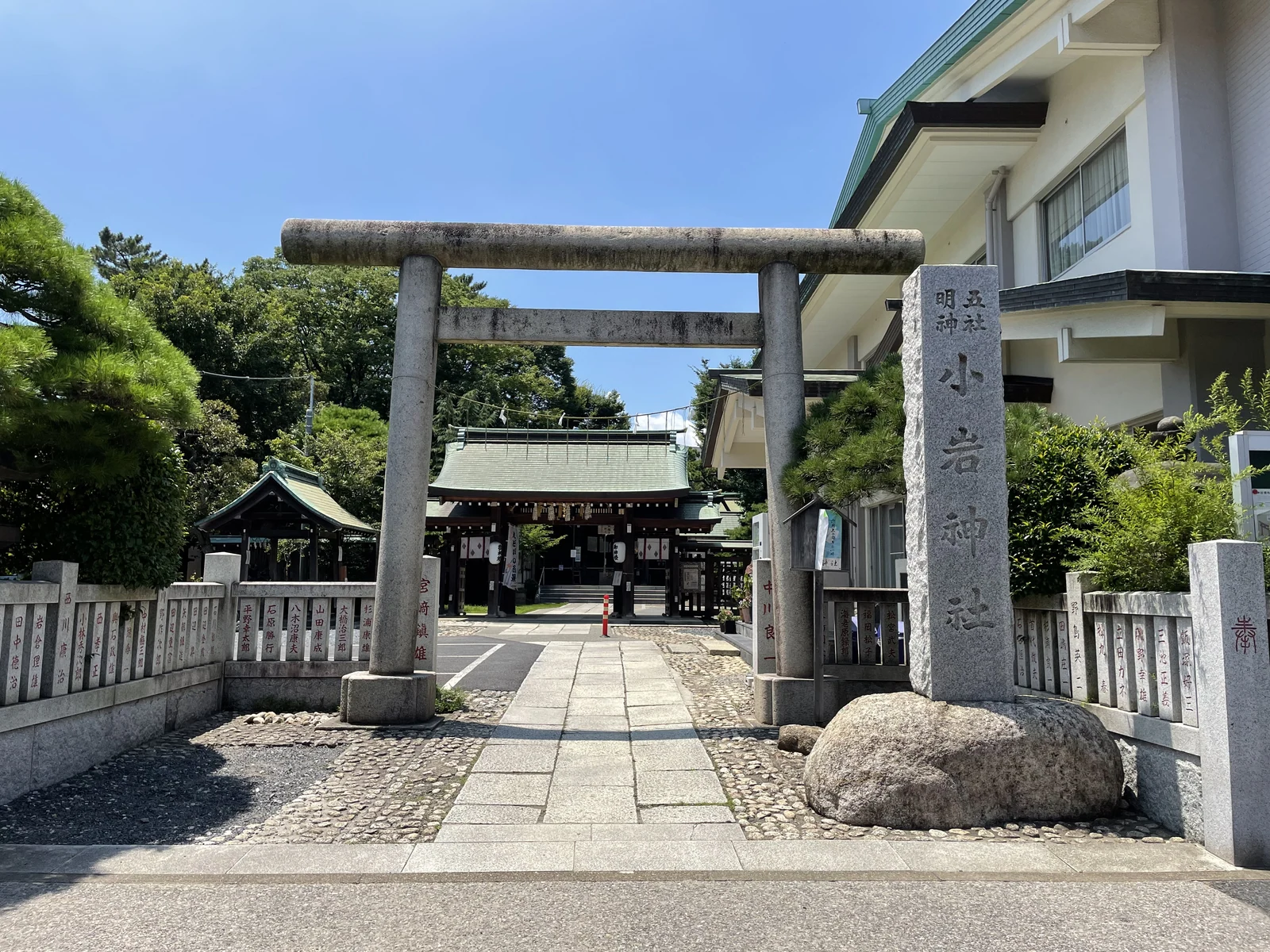
Koiwa Shrine in Higashikoiwa, Edogawa, was formerly known as Gosha Myojin. Photographs of its goshuin and grounds from an earlier visit are presented alongside official access information and points to check before requesting a goshuin today.
Before requesting a goshuin at Koiwa Shrine
In the original article, it is recorded that I received goshuin at the shrine office on the right hand side when facing the main shrine. However, this is The worship experience published in 2015. On the official page we checked this time, we were unable to confirm the reception hours dedicated to goshuin and the availability of offering and goshuin handwritten directly in your book.
- Goshuin hours
- These could not be verified from the official information checked. Contact the shrine office if your visit depends on a particular time.
- Offerings and how goshuin are issued
- Check current offerings, whether designs are handwritten or supplied on a separate sheet, and any limited designs before visiting.
- Contact
- 03-3657-6168(Koiwa Shrine)
- Address
- 6-15-15 Higashikoiwa, Edogawa-ku, Tokyo
Prayer-service hours and goshuin hours are different. The official prayer guide gives 9:00–16:00 from 9 January onwards, but this is not confirmation of goshuin hours. Specify that you are enquiring about goshuin when contacting the shrine.
Confirmed official pages: Koiwa Shrine top page, Prayer information (confirmed date: November 7, 2026).
The name “Gosha Myojin” and exploring the grounds
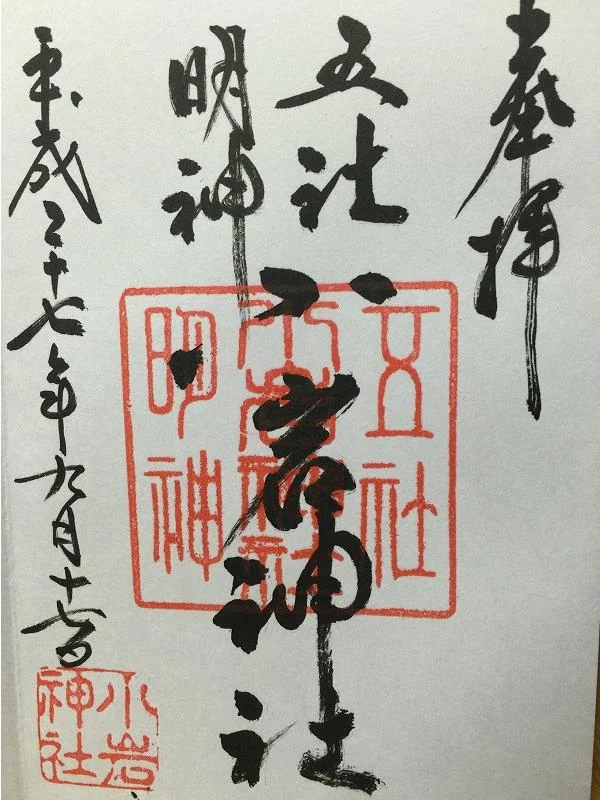
The deities enshrined in the official introduction are Amaterasu Omikami, Sumiyoshi Omikami, Amagoyane Omikami, Hachiman Omikami, and Itsuhime Omikami. The fact that the goshuin you received when you visited the shrine says "Gosha Myojin" is also a clue as to the history of the shrine.
According to the official history, it moved from Gyotoku to Koiwa in 1536, and moved to its current location in 1840. There are also several shrines within the grounds, such as Inari Shrine. Please pay attention not only to the time you spend waiting for goshuin, but also to the prayer itself.
Source: Official Koiwa Shrine/About Koiwa Shrine (Confirmation date: November 7, 2026).
Getting there from Koiwa Station
Official transportation information is About an 8-minute walk east from the east exit ticket gate of JR Sobu Line "Koiwa Station". When walking from the station, be sure to check the location of the shrine on the map below.
The location is 6-15-15 Higashikoiwa, Edogawa-ku, Tokyo. There is a parking lot on the grounds, and when it is full, you are officially advised to use a nearby private parking lot. The number of parking spaces and fee conditions have not been confirmed at this time, so please check before using.
Source: Koiwa Shrine Official Access (Confirmation date: November 7, 2026). The map below also uses Google Maps published on the same page.
Open Koiwa Shrine on Google Maps/Check route
An earlier visit and photographs (published in 2015)
This is an introduction to the worship experience and history in the original article. The photos and testimonials are from the time they were published, and do not represent the current site visit or confirmation of the current situation. For goshuin reception and transportation, please see the official information above.
This is a shrine dedicated to the five gods, which was once called “Gosha Daimyojin” or “Gosha Myojinja.”
Goshuin is also written as "Gosha Myojin Koiwa Shrine".
It is a wonderful shrine with a historical atmosphere that makes you feel that it is located in a residential area.
Enshrined deities
Amaterasu Omikami
..."A god worshiped as a symbol of the gods."
Uwatsutsu no Onomikoto
Nakatsutsuo no Mikoto
Sotsutsu no Onomikoto
...Sumiyoshi Okami.
"The god of rebirth and rebirth who exorcises sin and impurity."
Hondawake no Mikoto
...Hachiman Okami. “The god of war who protects us from evil gods.”
Amenokoyane Mikoto
... Also known as Kasuga Gongen, this deity was the guardian deity of the Fujiwara clan, whose ancestor was Nakatomi Kamatari.
“God who governs the rise of culture and good fortune”
Sotorihime no Mikoto
...One of the three gods of Waka poetry, “the princess goddess of knowledge who bestows beauty.”
According to the Kojiki, she was a woman of unparalleled beauty, and her name refers to her “beauty that shines through her clothes.”
“Legend of Himetsuhime”
She falls in love with her older brother, Karutaiko (Karunohitsugi no Miko), but he is exiled for this crime.
Later, the two met again in the country of Iyo, a penal colony, and they committed suicide together hand in hand.
History and traditions
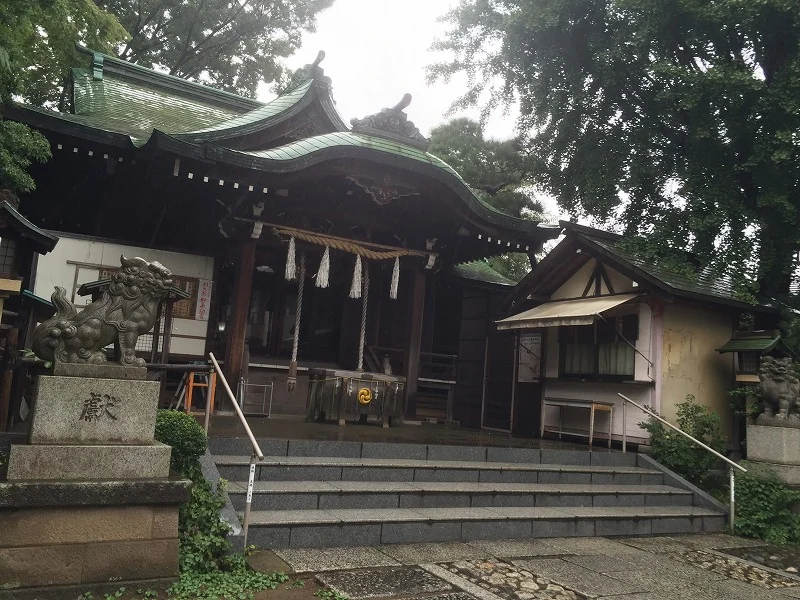
It is said that it was donated to Ise Grand Shrine by the Kasai clan, who ruled this area during the Kamakura period, and it was called “Kasai Mikuriya”.
In the 5th year of Tenbun (1536), the Gosha Myojin, which had been in Gyotoku, was relocated and it was enshrined as the main deity.
During the Edo period, the main shrine and worship hall were donated by the fourth shogun, Ietsuna, the head of the court, Sakai, and senior retainers of Itakura Chikugo.
After that, it was moved to its current location in 1840 and was called Koiwa Shrine in the first year of the Meiji era.
Subsidiary shrines within the grounds
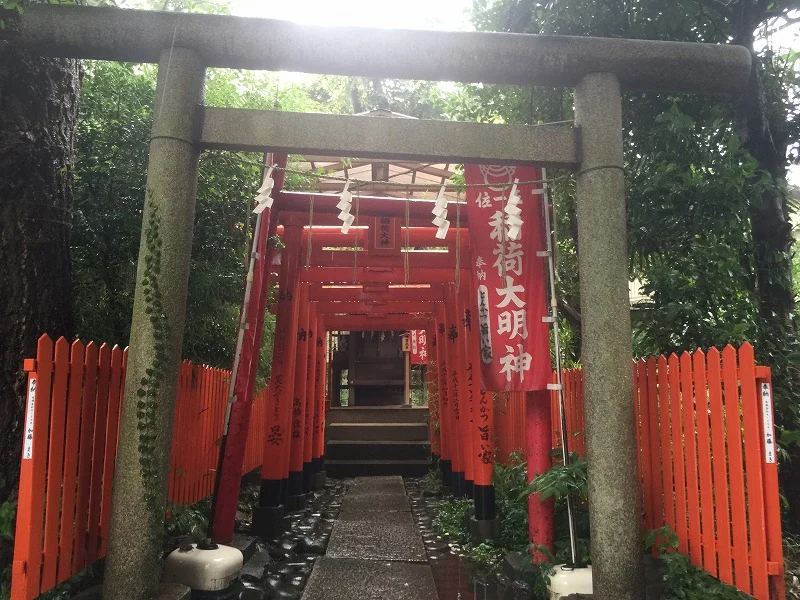
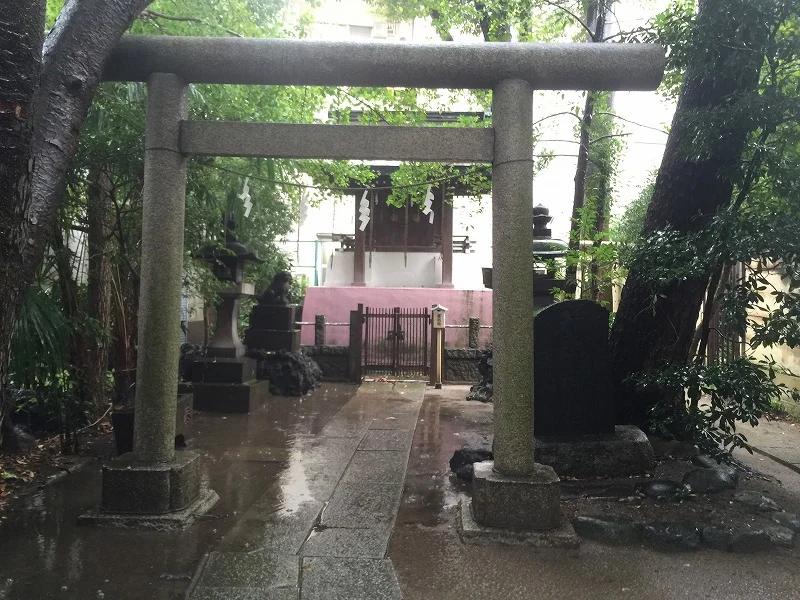
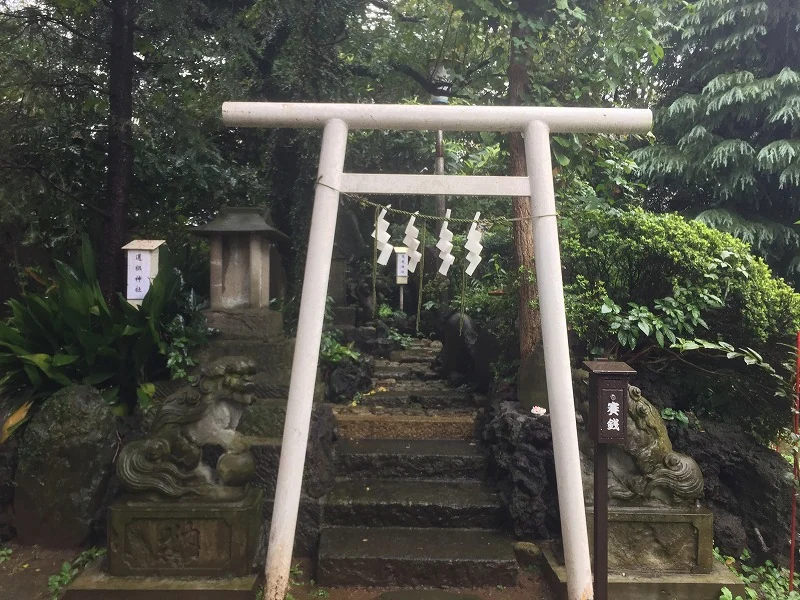
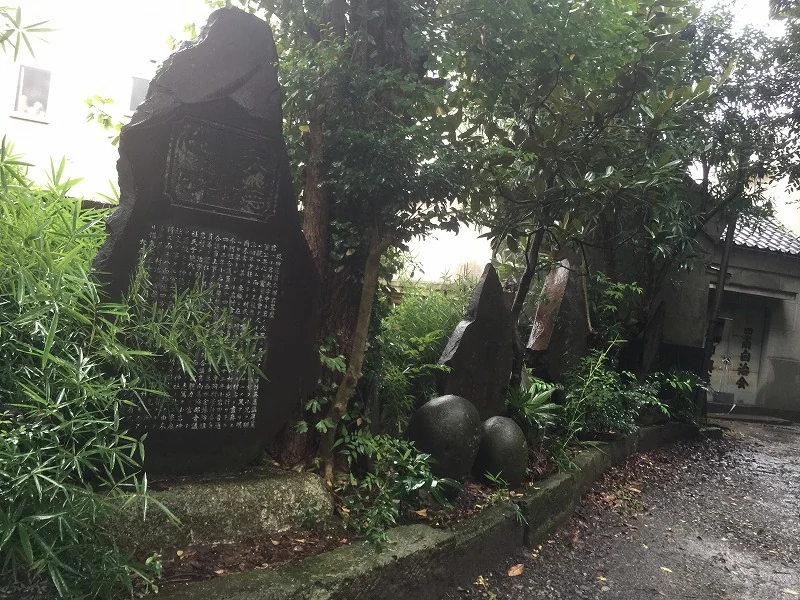
Inari Shrine, Mita Shrine, Water Shrine
Sengen Shrine Hie Shrine Doso Shrine
In July, the annual festivals of Suijin, Doso, Asama, and Hie Shrine are held.
Waraji stone
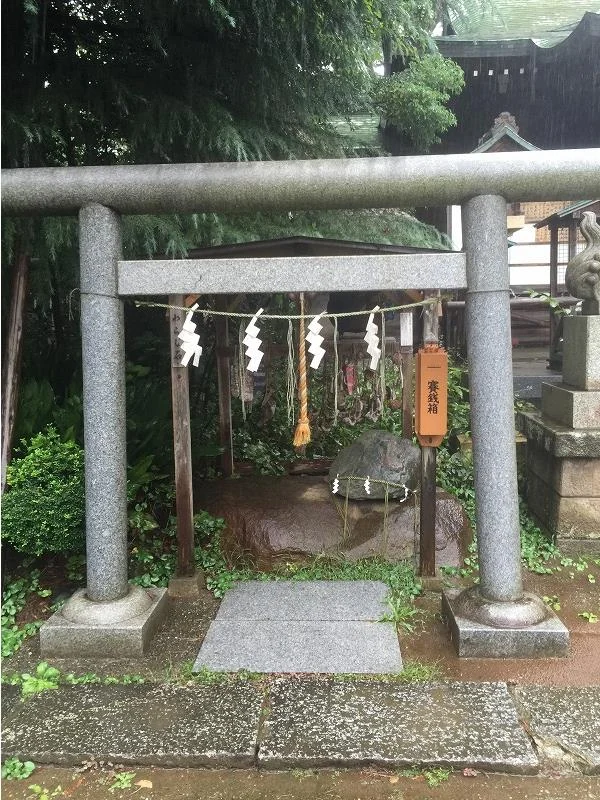
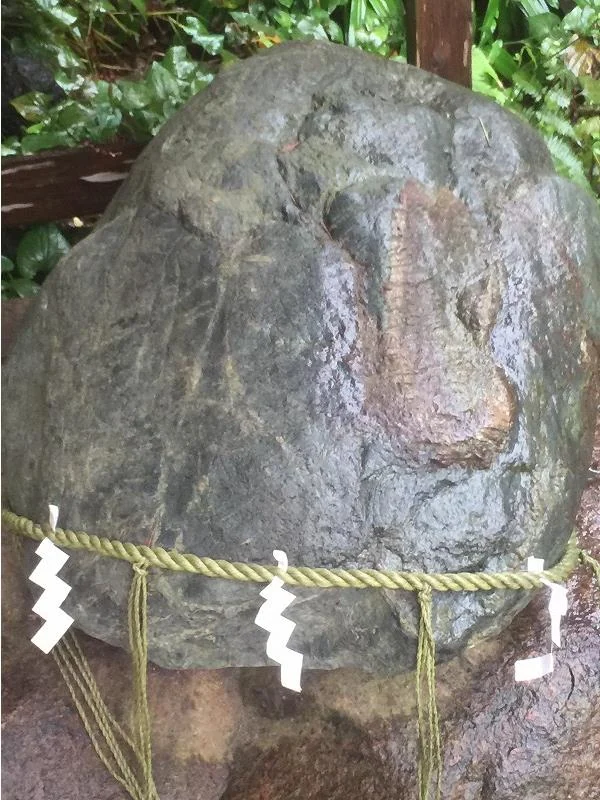
It is said that if you pray while stroking the Waraji Stone, it will bring divine healing for your leg injuries and illnesses.
Even now, many waraji were offered as offerings.
Purification basin
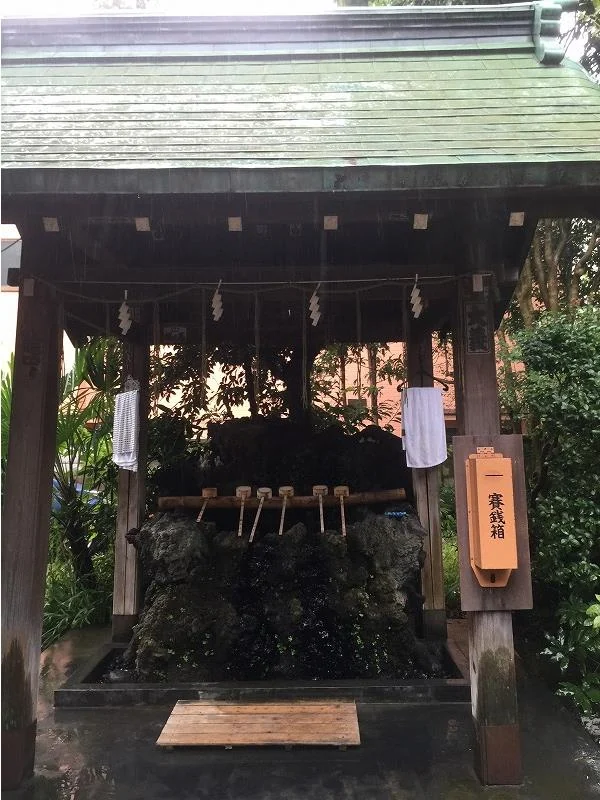
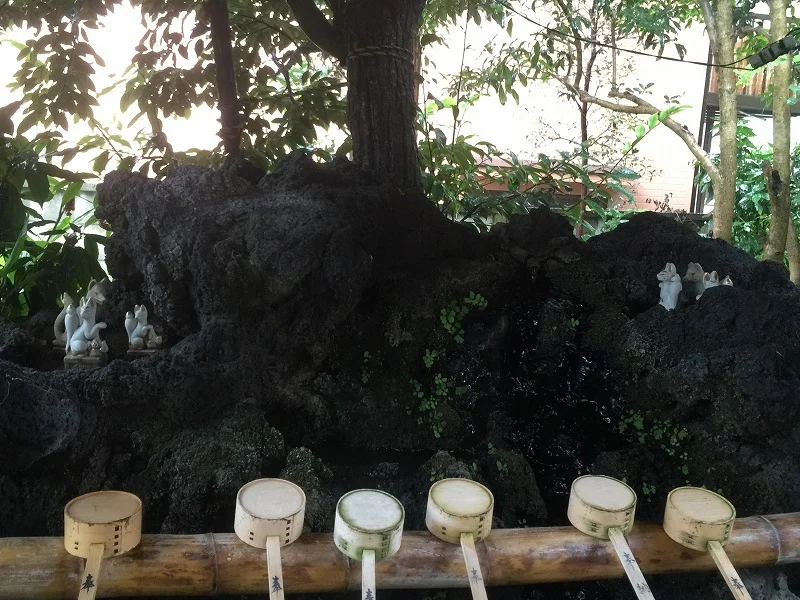
A cute fox was enshrined in the Chozuya.
Notes from the visit
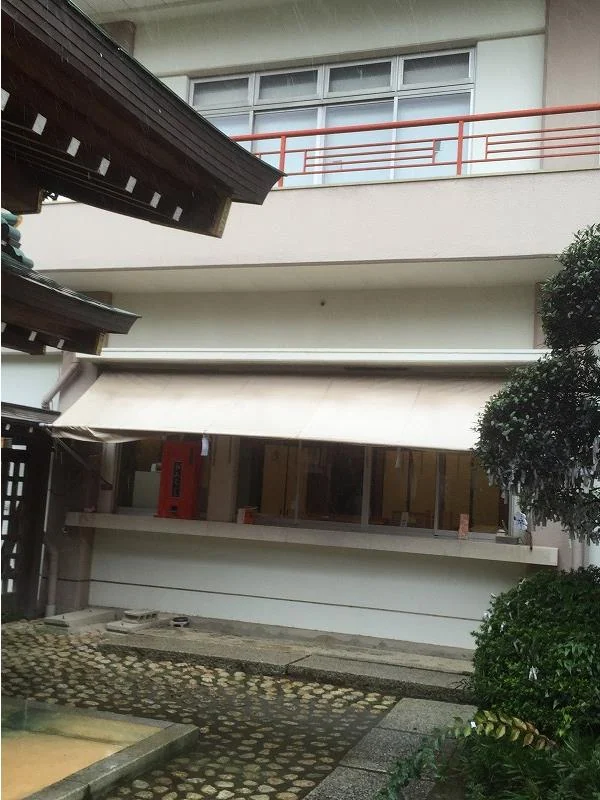
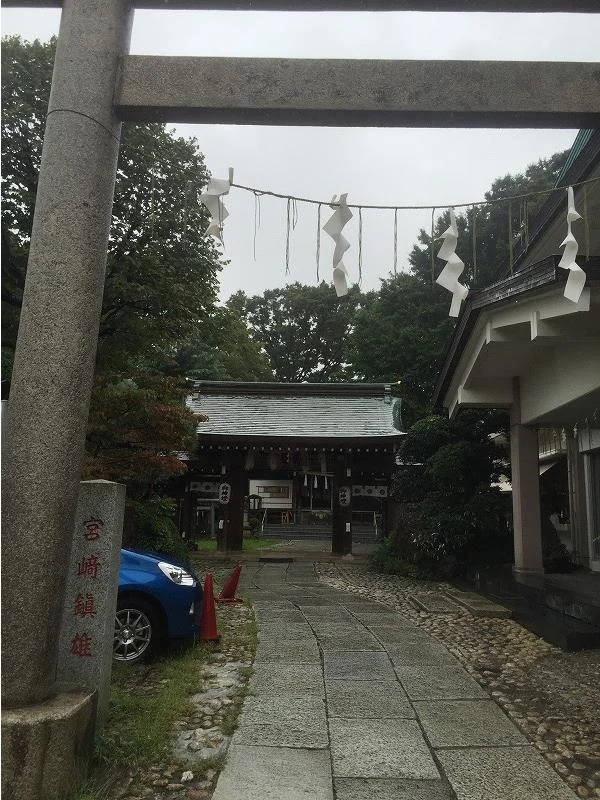 There is a shrine office on the right as you face the main shrine, and you can ask for goshuin there.
While I was waiting, I was able to talk with the priest's wife and hear about the shrine's history and the waraji stone.
It was a shrine where you could spend a relaxing time in a quiet atmosphere.
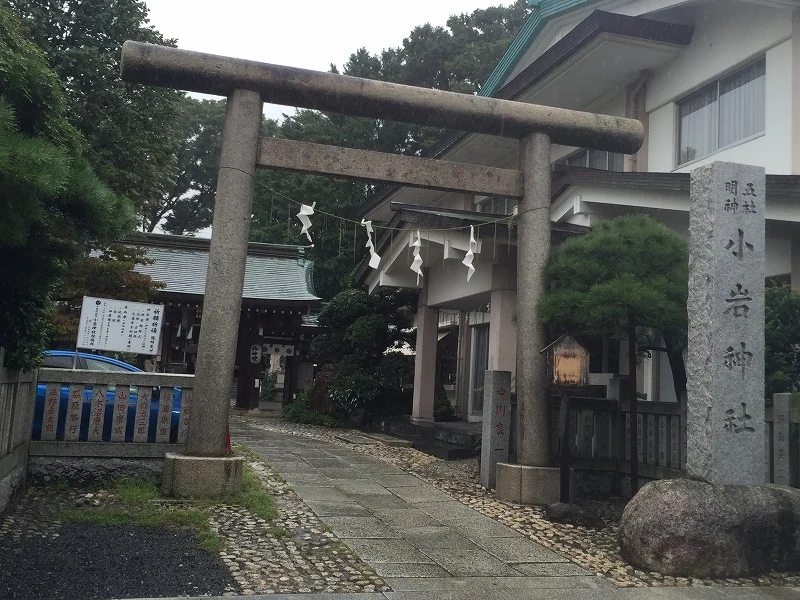
Sources and scope of verification
The official page was confirmed on November 7, 2026 for the location, transportation, availability of parking, and history. The reception hours, offering, and award method for goshuin are not yet confirmed, so we ask you to check with the shrine office. The photos of the visit to the shrine and the exchanges during the visit in the second half are records from the time the original article was published.
Goshuin and travel information has been checked against official and other cited sources, with unconfirmed points identified. Earlier photographs and personal experiences remain records of their original visits. Check the stated dates for limited designs.