Koenji Temple in Ichikawa City is a Nichiren sect temple known for its long hanging wisteria flowers and three-faced Daikokuten. In addition to the previous photos of goshuin and the temple grounds, we have added highlights and access information based on the official guide to Eastern Japan Flower Temples. The location is different from Koenji in Suginami Ward.
Goshuin/Visit confirmation items for Koenji Temple
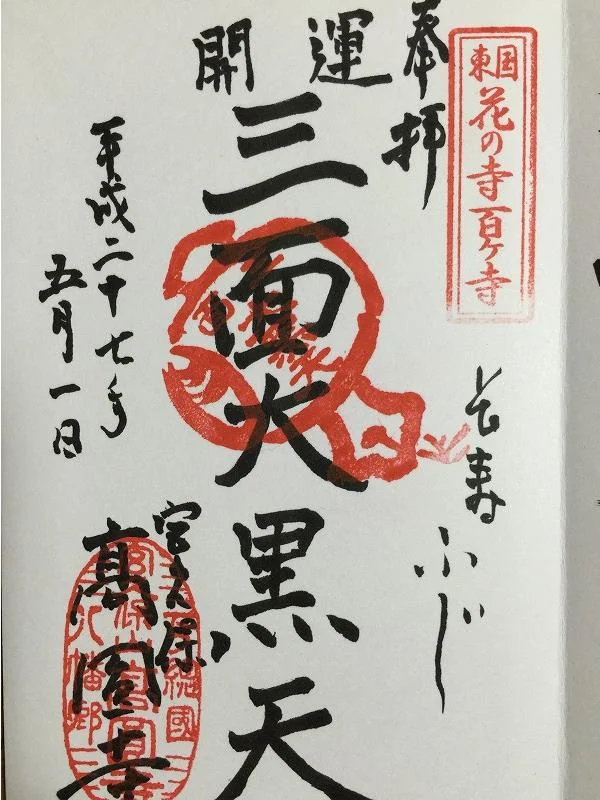
- Photo of goshuin
- Posted goshuin from a previous visit, with the three-faced Daikokuten and the seal of Eastern Japan Flower Temples. It is not a sample showing the current design and award conditions.
- Reception hours/goshuin offering
- The official information checked did not confirm dedicated goshuin hours, offerings or direct-inscription arrangements. Contact the temple office before visiting.
- Flower temple
- Chiba stop No. 4 on the Eastern Japan Hundred Flower Temples route. The official guide states that entry to the grounds is free.
- Parking lot
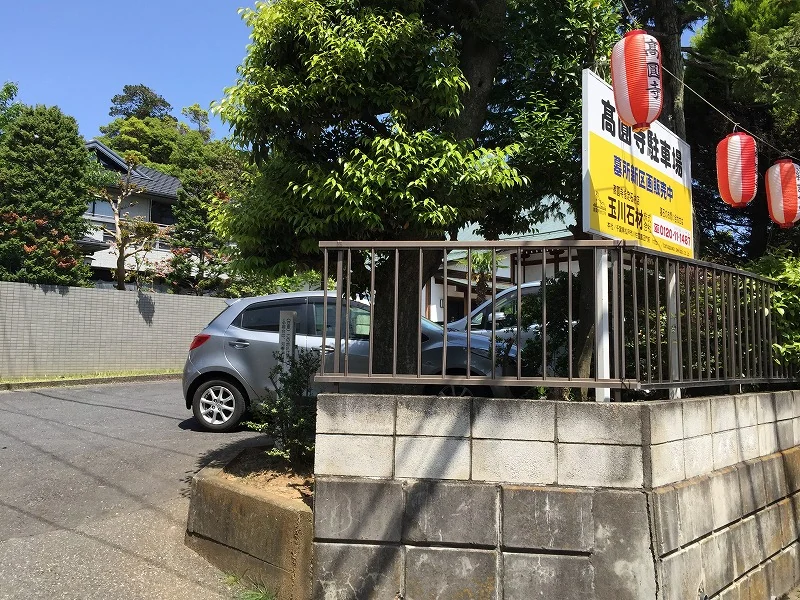
- The Eastern Japan Flower Temples guide lists no parking. Parking mentioned in the older visit account should not be treated as current visitor parking.
Enjoy the three-faced Daikokuten goshuin and wisteria
In the posted goshuin, you can see the ink calligraphy of “Three-faced Daikokuten” and the red stamp indicating the flower temple. When you visit the temple, you can understand the characteristics of this temple by not only looking at the reception desk at goshuin but also paying attention to the information about the three-faced Daikokuten and wisteria in the grounds.
According to the official introduction of Eastern Japan Flower Temples, the wisteria season is from late April to early May. The blooming process and events held change from year to year, so don't base your plans solely on the dates of past wisteria festivals. The opening of the three-faced Daikokuten is not something that can be seen all the time.
Access and location map
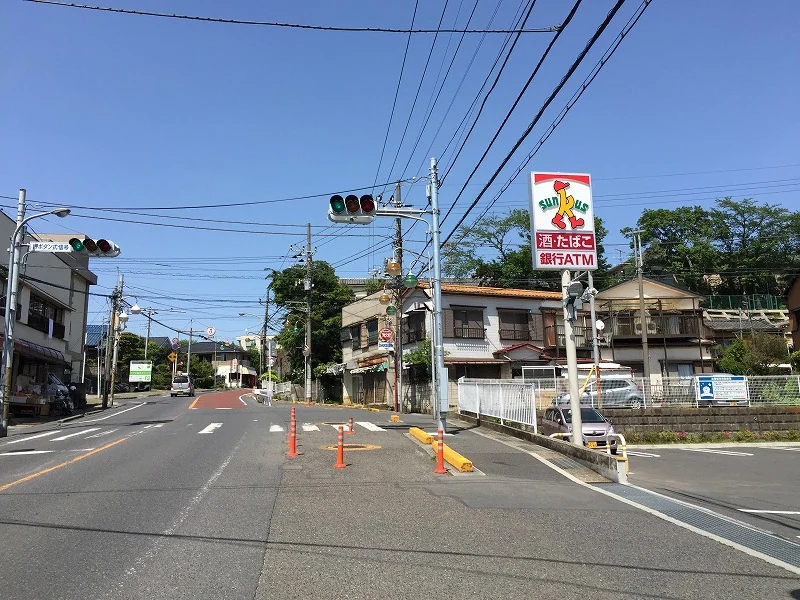
Take the bus from Motoyawata Station to Miyakubo Sakashita. The official information for Eastern Japan Flower Temples says it is a 7-minute walk from the stop. Please check the destination and time of the route you will be using before boarding.
Location: 4-5-1 Miyakubo, Ichikawa City, Chiba Prefecture.
Open Koenji Temple on Google Maps/Check route
An earlier visit and photographs (published in 2015)
The following account preserves the original visit experience and historical introduction. The photographs and encounters at the counter date from that publication; they do not describe a new visit. Old access instructions have been replaced by the checked information above. Historical accounts and spiritual benefits are presented as traditions and beliefs.
This temple is famous for its 200-year-old wisteria trees, and is one of the 100 flower temples in eastern Japan.
The temple is loved by locals and holds the "Wisteria Festival" every year during the wisteria flower season.
Gohonzon
Three-sided Daikokuten
A wooden statue approximately 50 cm tall with three faces, six hands, and one body.
This is a statue that combines the three bodies of Daikokuten, Bishamonten, and Benzaiten.
Daikokuten bestows good fortune, Bishamonten dispels earthly desires, and Benzaiten bestows wealth.
History and traditions
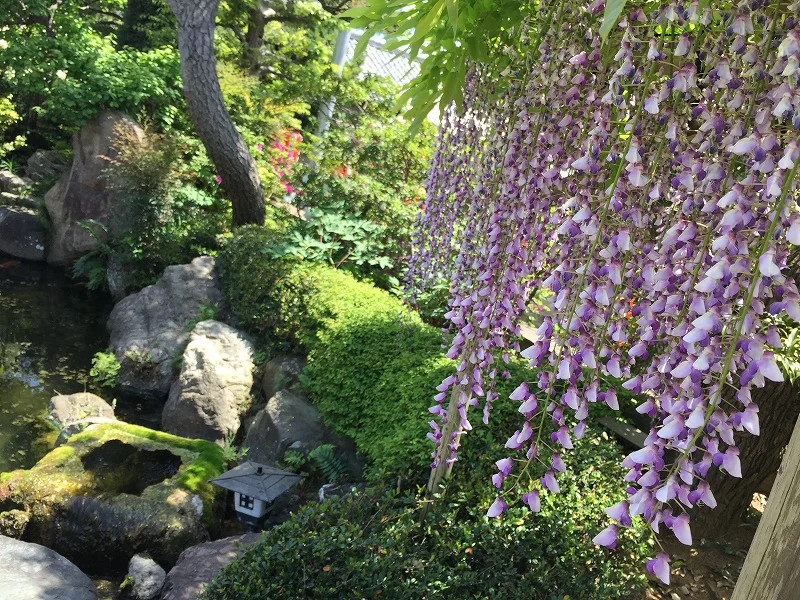
The temple is traditionally said to have been founded around 1300 by Nichiko Shonin, the second head of Nakayama Hokekyoji.
Longevity Wisteria
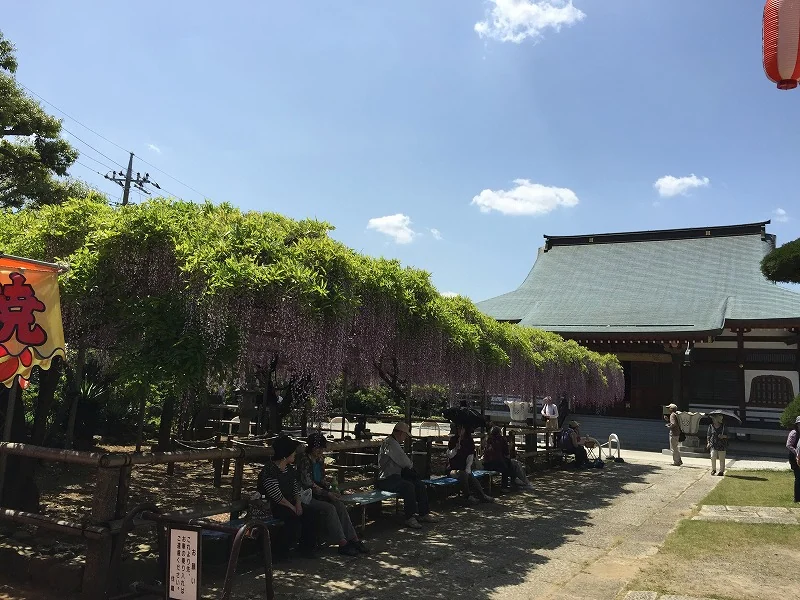
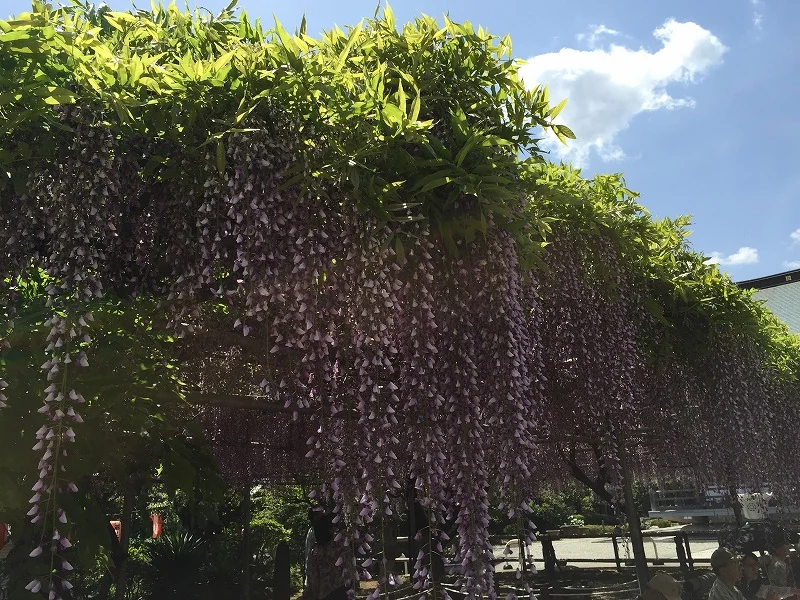
This is a large wisteria tree that is said to be 200 years old, with one wisteria tree growing into four branches to form a large wisteria trellis.
The wisteria trellis was about 8 meters long and 20 meters wide, and seemed to be over 100 square meters.
In some years, the flower spikes can reach up to 1 meter, and there were many photos displayed in the temple office.
The best time to see them is from the end of April to the beginning of May, and the "Wisteria Festival" is held every Golden Week with the cooperation of local people.
Wisteria Festival
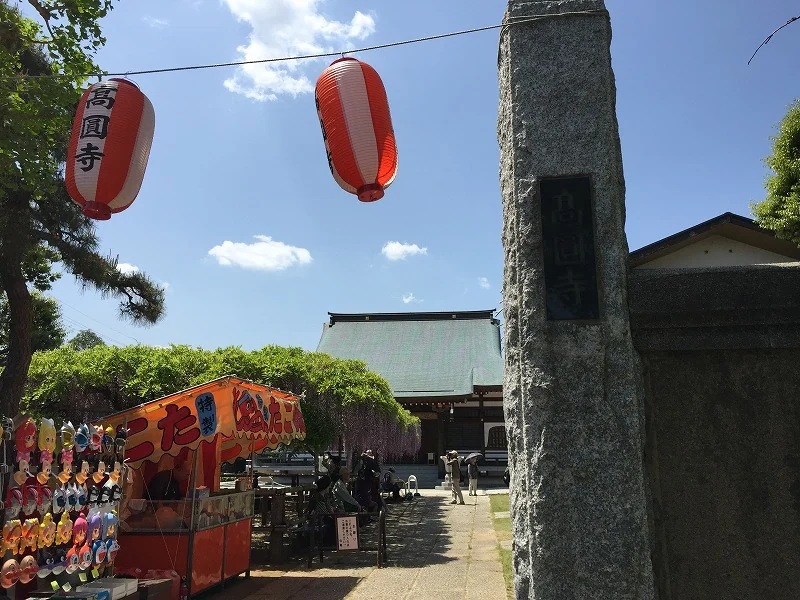
With the long-lived wisteria in bloom, stalls and benches beneath the flowers drew a lively crowd of local visitors.
The notice at the time listed 3 May (Friday, a public holiday) for the Buddha's birthday flower festival and mizuko memorial service.
It listed 5 May (Sunday, a public holiday), Children's Day, for prayers for children's health.
Notes from the visit
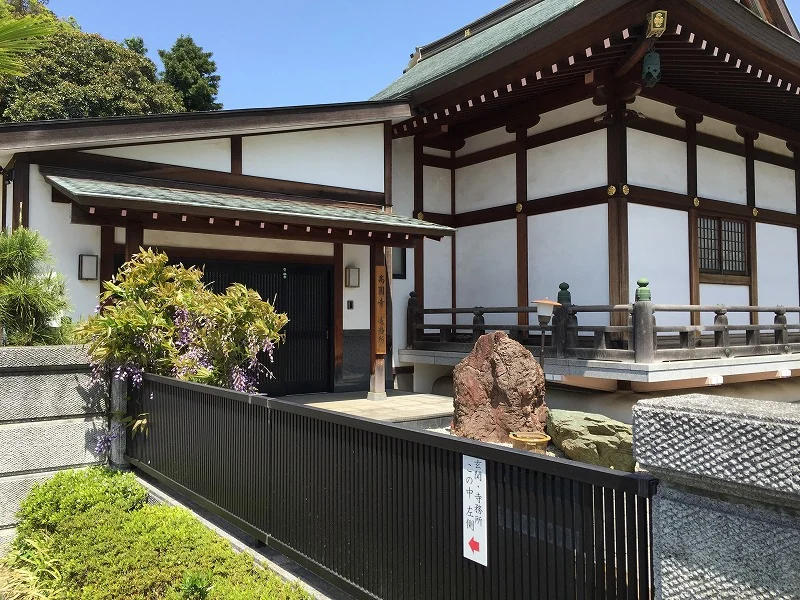
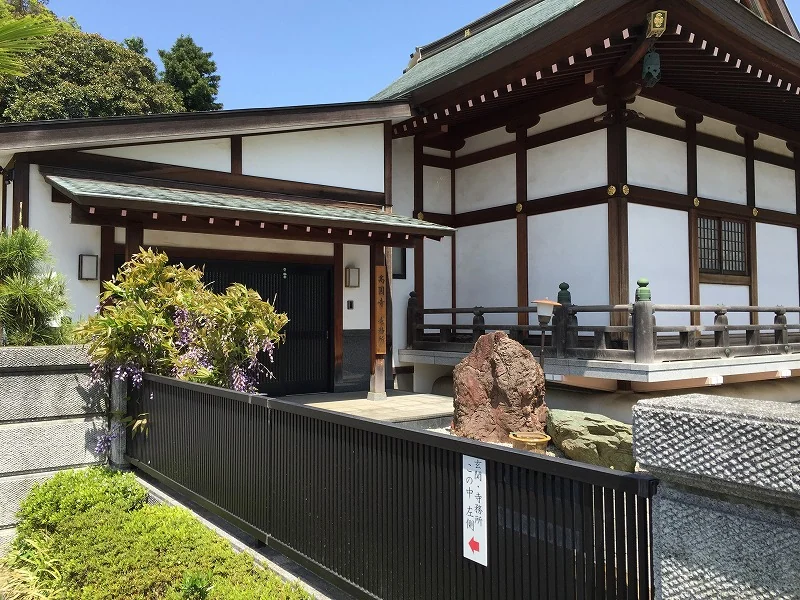
Goshuin could be obtained at the temple office located at the back left of the main hall.
The temple office was decorated with wisteria flowers and many photos of the shrine grounds.
While we were kept waiting, we had a great time looking at the many photos that had been donated, and we were able to hear a lot about the main temple in Kyoto, the principal image, and its history.
Sources and scope of verification
- Takaenji Temple | Eastern Japan Flower Temples: Chiba No. 4, Three-sided Daikokuten, Wisteria Season, Free Precincts, 7 minutes walk from Miyakubo Sakashita, no parking lot.
- Koenji Temple | Ichikawa City Tourism Association: the temple's location in Miyakubo, Ichikawa, and its history.
Official sources were checked on 2026-11-07. The reception hours for goshuin, goshuin offering, the entry on the day, this year's flowering status, the wisteria festival, and the opening date cannot be confirmed at this time. Designs, prices and arrangements shown in earlier photographs may have changed.
Goshuin and travel information has been checked against official and other cited sources, with unconfirmed points identified. Earlier photographs and personal experiences remain records of their original visits. Check the stated dates for limited designs.