Matsuchiyama Shoden in Asakusa is the familiar name of Honryuin Temple, known for daikon and money-pouch motifs. Alongside a Daisho Kangiten goshuin from an earlier visit, this guide distinguishes the main hall's opening hours from the temple office's hours.
Goshuin/Visit confirmation items for Matsuchiyama Shoden
- Main hall time
- Official access information is available from 6:00 to 16:30. It does not indicate the entire window time for receiving goshuin.
- Temple office hours
- Official information is from 8:30 to 16:30. Please check with the temple office for goshuin-specific reception deadlines and what to do if you are absent.
- Photo of goshuin
- I am posting Daisei Kangiten's goshuin that I received before.
- Goshuin offering · Awarding method
- The official pages checked did not confirm current goshuin offerings or whether handwritten and separate-sheet versions are available.
Daikon and Kinchaku, Bishamonten, Asakusa Famous Place, Seven Lucky Gods
In Taito City's official tourist guide, Matsuchiyama Shoden is introduced as Asakusa famous place Bishamonten of the Seven Lucky Gods. When ordering goshuin, it will be easier to understand if you ask at the counter whether you would like Daisho Kangiten or Shichifukujin Pilgrimage.
The designs of the daikon radish and purses in the grounds are clues to understanding this temple. Please follow the instructions on the day for how to participate in the prayers and events where daikon offerings are made. We do not suggest that participation in prayers or offerings are a prerequisite for the normal awarding of goshuin.
Access and location map
According to the official guide, it is a 10-minute walk from Asakusa Station on the Tobu Skytree Line and Tokyo Metro Ginza Line. It is a 15-minute walk from Asakusa Station on the Tsukuba Express and Exit A4 of Asakusa Station on the Toei Asakusa Line. The stations are far apart, so please check the route you are using.
Location: 7-4-1 Asakusa, Taito-ku, Tokyo.
Open Matsuchiyama Shoden on Google Maps/Check route
An earlier visit and photographs (published in 2015)
The following account preserves the original visit experience and historical introduction. The photographs and encounters at the counter date from that publication; they do not describe a new visit. Old access instructions have been replaced by the checked information above. Historical accounts and spiritual benefits are presented as traditions and beliefs.
This is a sub-in temple located about 10 minutes walk from Sensoji Temple, and is also a temple where Bishamonten, one of the Seven Lucky Gods of Asakusa, is enshrined.
This temple is one of the three major holy deities in Kanto and one of the three major holy deities in Japan, and is also famous as a power spot where wishes come true.
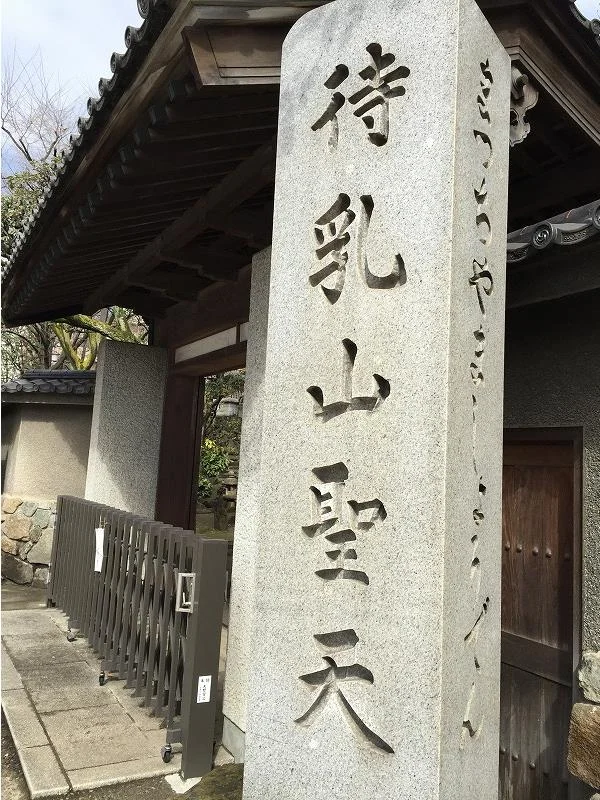
History and traditions
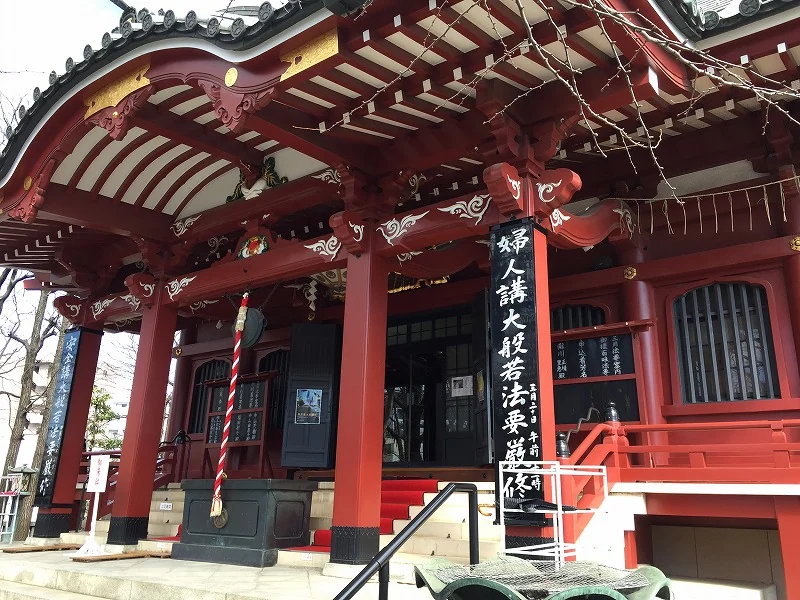
At that time, it is said that a golden dragon descended from heaven and protected and protected the mountain.
Six years later, during the great drought in the summer of 601, the Eleven-faced Kannon Bodhisattva appeared as the great saint Kangisonten and is said to have saved this land.
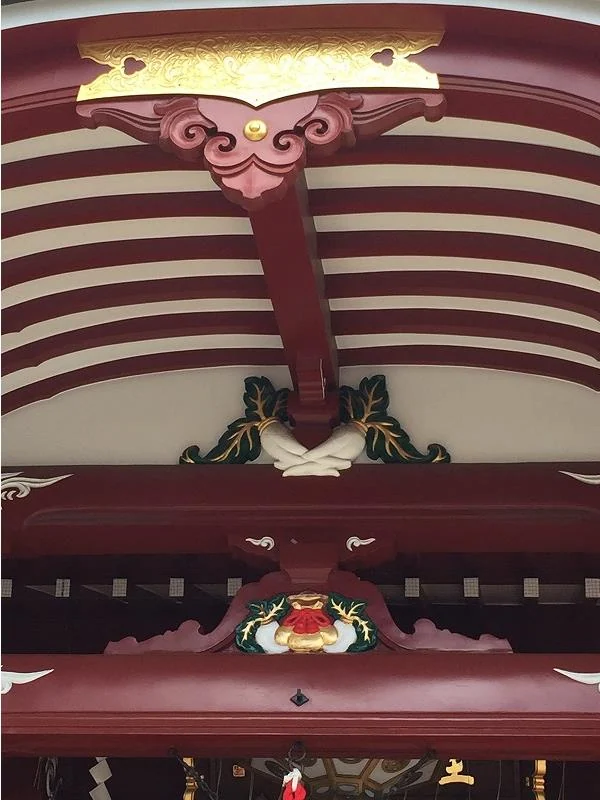
When you enter the main hall, you will see an ink painting of a dragon and a colorful depiction of a celestial maiden on the ceiling, and in front of it there are offered daikon radish piled up.
The principal image is the Eleven-faced Kannon Bodhisattva, but I was not able to see it.
It is said that the Eleven-faced Kannon Bodhisattva can only be seen for one day on December 8th, when the palace doors are opened.
What is Matsuchiyama Shoden?
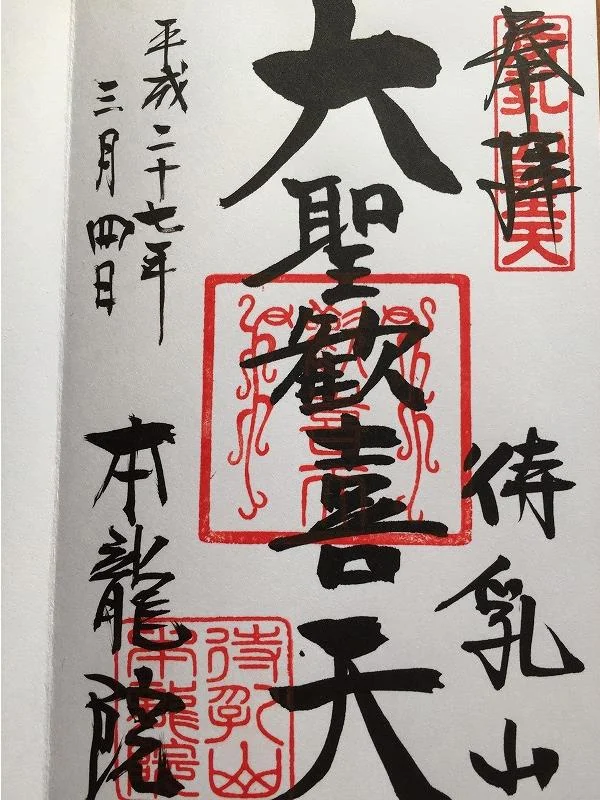
Shoden, also called Kangiten, is a deity of esoteric Buddhism, associated with marital harmony and blessings for children.
Shoden is often represented with an elephant's head and a human body, but the sacred image here is concealed from public view.
It is said that he was originally greedy, but when his wish was granted by the Eleven-faced Kanzeon Bodhisattva and all his earthly desires were resolved, he decided to turn to Buddhism.
Therefore, it is said that if you refuse something and make a wish, you will always receive a blessing.
However, it is said that Shoden dislikes vulgar things and will punish you if you break a promise or make a half-hearted request, so I think it would be best to sincerely ask for only what you really want.
Seiten and radish
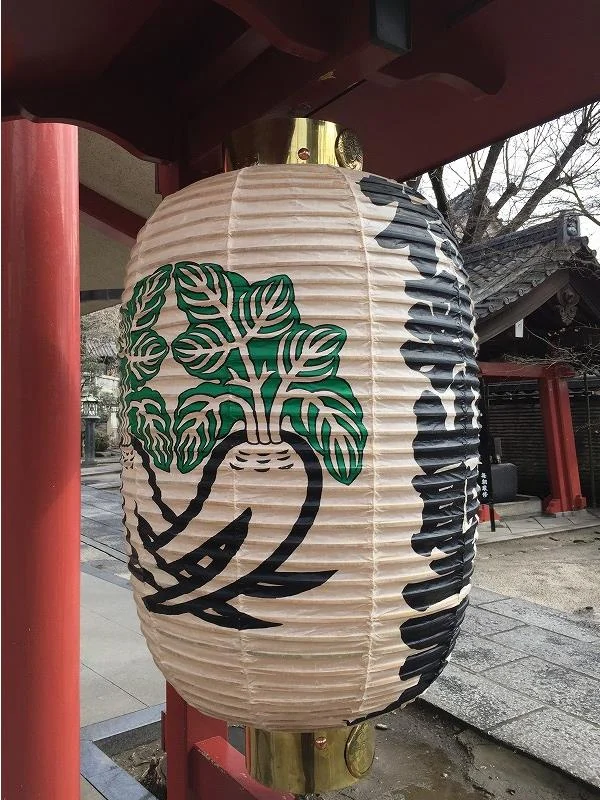
It is Shoden's favorite food and is considered a symbol, and motifs of radish and purses can be seen throughout the shrine grounds.
Daikon radish for offering was sold for 200 yen in the temple grounds.
Daikon are said to symbolise deeply rooted human delusion and the poison of anger. Many were offered in the hope that Shoden would cleanse the body of these spiritual poisons.
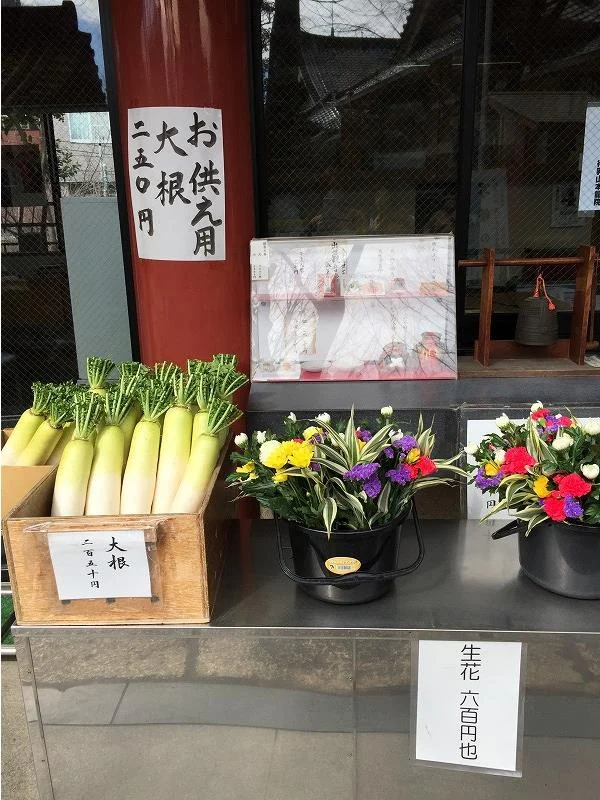
Daikon are also associated with bodily strength. Their joined forked roots symbolise a good marriage, harmony between spouses and thriving descendants.
Also, the purse is said to represent prosperous business as it has the image of a gold dust bag or treasure.
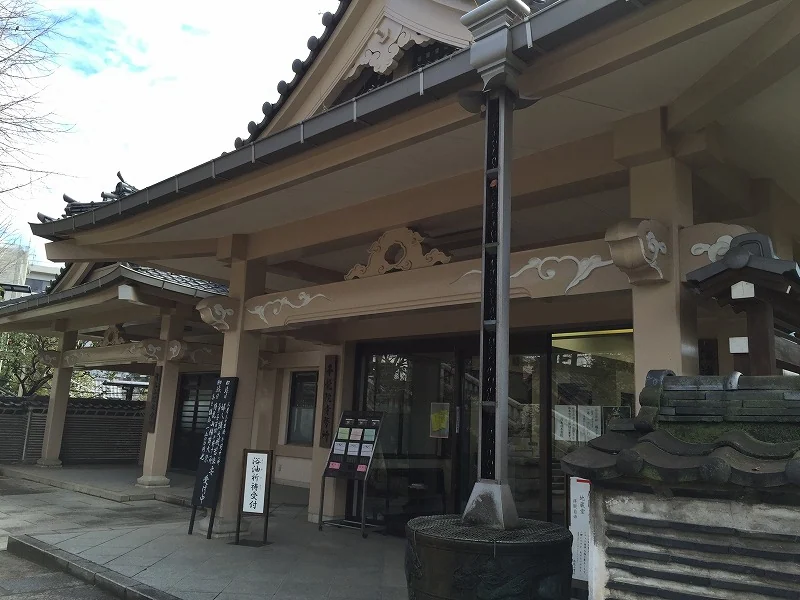
The daikon radish offered at the main hall was distributed to those who came to worship the next day.
The Daikon Festival has been held since Showa 49 (1974). On 7 January, daikon offered since New Year's Day are simmered as furofuki daikon and served with sacred sake to the first 2,000 visitors.
Eating the blessed daikon is traditionally associated with receiving Shoden's grace and enjoying health in body and mind.
Tsukiji wall
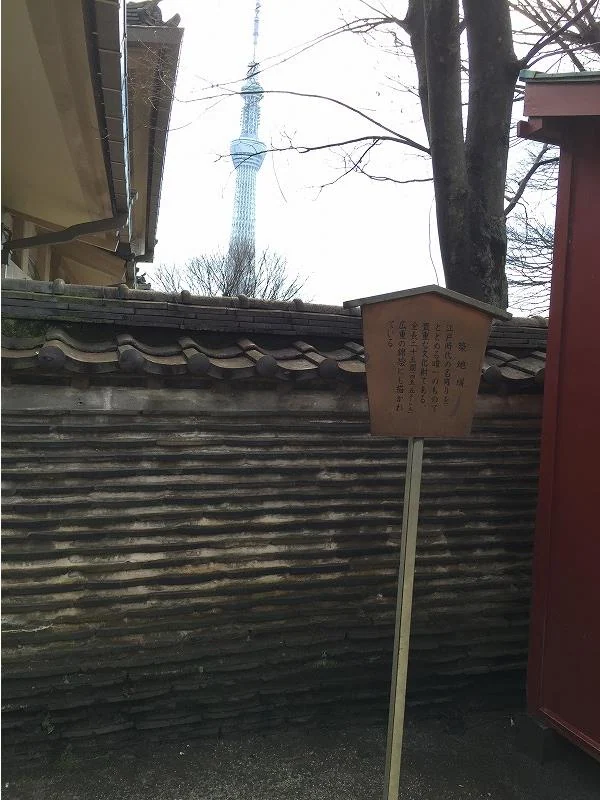
Tsukiji fence, which has existed since the Edo period, is designated as an important cultural property.
It is said to have been depicted in a painting by Hiroshige Ando, a famous ukiyo-e artist known for his 53 Stations of the Tokaido.
Shusse Kannon
Enter the Matsuchiyama Shoden grounds and go to the right. It is famous as a power spot.
It is said to have been created at the end of the Ashikaga period, and is said to bring blessings for academics and the arts.
Joy Jizo
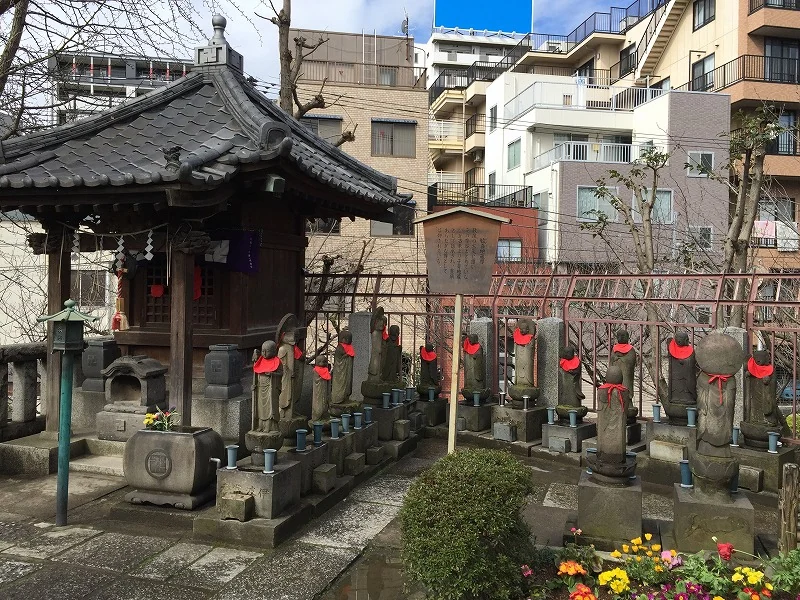
As you enter the shrine grounds, there are many Jizo statues lined up on your left.
It seems that he is deeply worshiped as a Jizo deity for raising children.
Garden
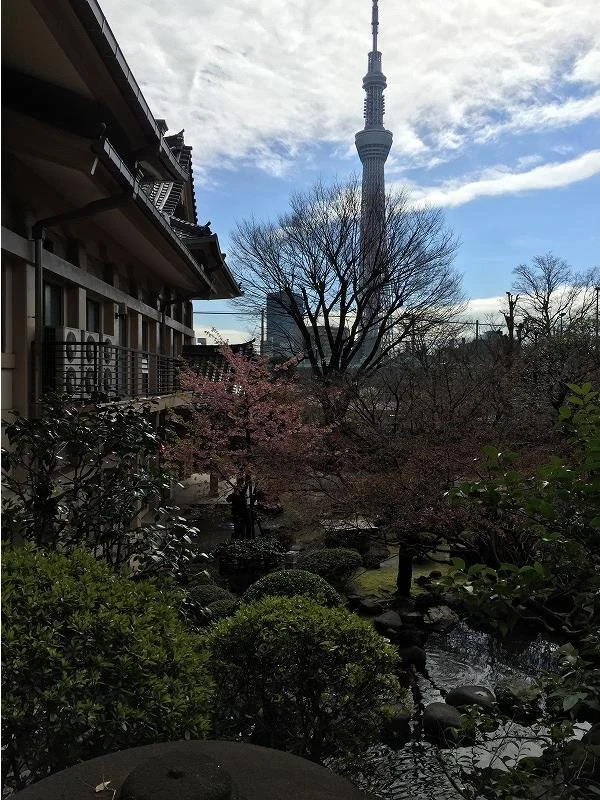
You can freely enter from the right side of the temple office on the right as you face the main hall.
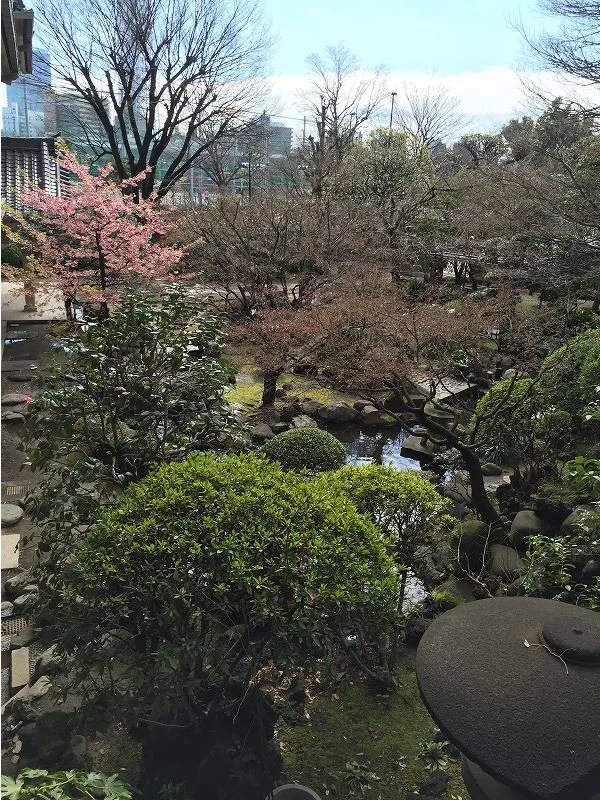
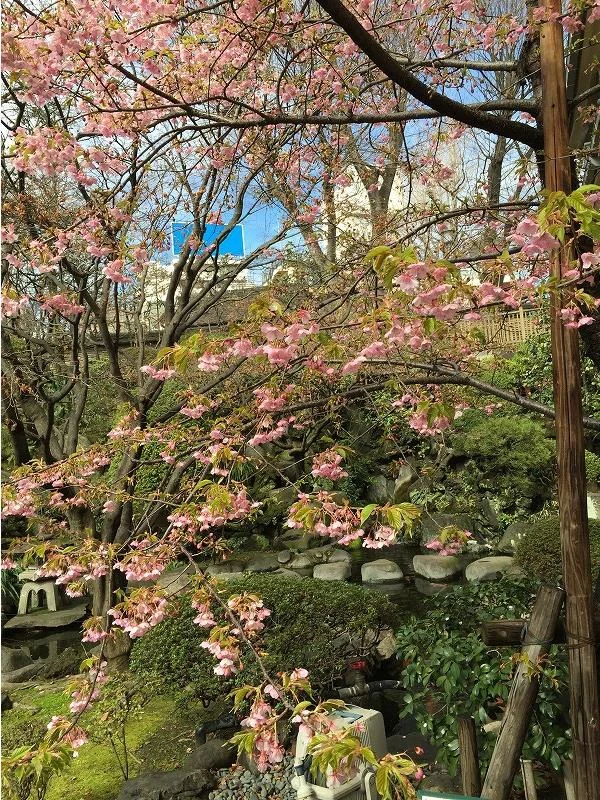
You can enjoy seasonal flowers in this Japanese garden.
The Sky Tree could be seen very beautifully from the bridge called "Jiju Bridge".
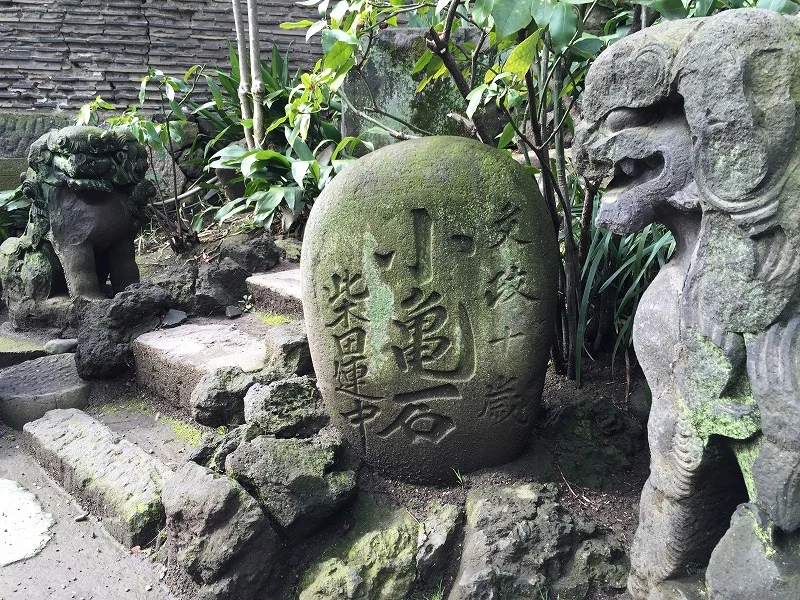
There was a Jizo statue that protects the grounds and protects the family, and a stone monument that says “Wish Fulfillment”.
Asakusa Famous Places Seven Lucky Gods “Bishamonten”
The Asakusa Seven Lucky Gods route unusually comprises 9 sites: 3 Buddhist temples and 6 Shinto shrines.
Bishamonten is enshrined at Matsuchiyama Shoden, and it is only open during the New Year, so you can see the statue directly.
Notes from the visit
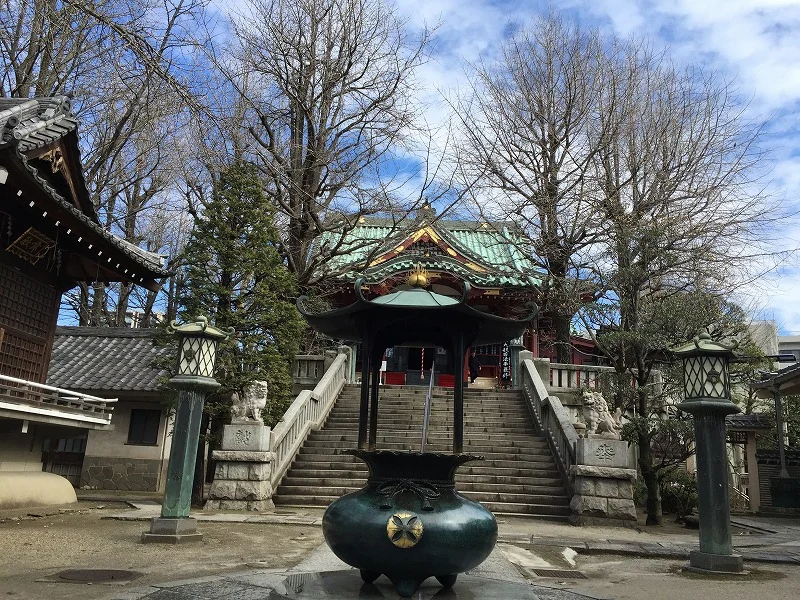
Goshuin was accepted at the awarding office on the left after entering the main hall.
You can have two types: one of the principal image of Daisho Kankisonten and one of Bishamonten of Asakusa's Seven Lucky Gods.
At that time, I was able to hear from the chief priest about the origin of Mt. Machinyu, Shoden, and the Seven Lucky Gods.
Hours the main hall is open
6:00-16:30 (April to September)
6:30-16:30 (October to March)
New Year's Day: Opens at midnight
Japanese garden opening hours
9:00–16:00
Sources and scope of verification
- Official access information | Matsuchiyama Shoden: 7-4-1 Asakusa; main hall 6:00–16:30, temple office 8:30–16:30; walking times from the different Asakusa stations.
- Matsuchiyama Shoden (Asakusa Famous Places of the Seven Lucky Gods Bishamonten) | Experiences and Tourist Spots | Taito City Official Tourist Information Site: Prayers related to Asakusa Famous Places of the Seven Lucky Gods, Bishamonten and radish.
Official sources were checked on 2026-11-07. The deadline for goshuin, goshuin offering, current award method, and parking lot usage conditions on the day cannot be confirmed at this time. Designs, prices and arrangements shown in earlier photographs may have changed.
Goshuin and travel information has been checked against official and other cited sources, with unconfirmed points identified. Earlier photographs and personal experiences remain records of their original visits. Check the stated dates for limited designs.