Shoin Shrine in Setagaya, Tokyo, enshrines Yoshida Shoin. Earlier goshuin photographs are accompanied by official access information and advice on checking office closures. This guide concerns Setagaya, rather than the shrine of the same name in Hagi.
Goshuin/Visit confirmation items for Shoin Shrine
- Gate opening time
- The official visiting hours are 7:00–17:00. Being able to enter the grounds early does not mean that the goshuin counter is open.
- Amulet Awarding Office
- 9:00-17:00, excluding shrine office holidays. Please check the announcements and holidays for goshuin's response on the day.
- Limited goshuin
- There is an official announcement regarding the festival goshuin. Past notices will not be treated as a year-round award condition.
- Compatible with offering/goshuin handwritten directly in your book
- The current amount and award method could not be determined in this permanent announcement.
Walking through the grounds related to Shoin Yoshida
The former goshuin has "Shoin Shrine" and a commemorative mark of worship. If you read not only the shrine name but also the history of the shrine grounds and information about Shoin, you will be able to connect the goshuin to the place you visited.
The TV drama in the original article and the distribution status of amulets at that time have been removed from the current guide as they can easily be confused with current information. Please check the calendar of office holidays and official announcements for the goshuin and awarded items that you can receive now.
Access and location map
About 3 minutes walk north along the shopping street from Shoin Shrine-mae Station on the Tokyu Setagaya Line. Official access is also available by route bus or car. Please refer to the official precautions as the conditions for getting on and off large vehicles are different from those for regular worshipers.
Location: 4-35-1 Wakabayashi, Setagaya-ku, Tokyo.
Open Shoin Shrine on Google Maps/Check route
An earlier visit and photographs (published in 2015)
The following account preserves the original visit experience and historical introduction. The photographs and encounters at the counter date from that publication; they do not describe a new visit. Old access instructions have been replaced by the checked information above. Historical accounts and spiritual benefits are presented as traditions and beliefs.
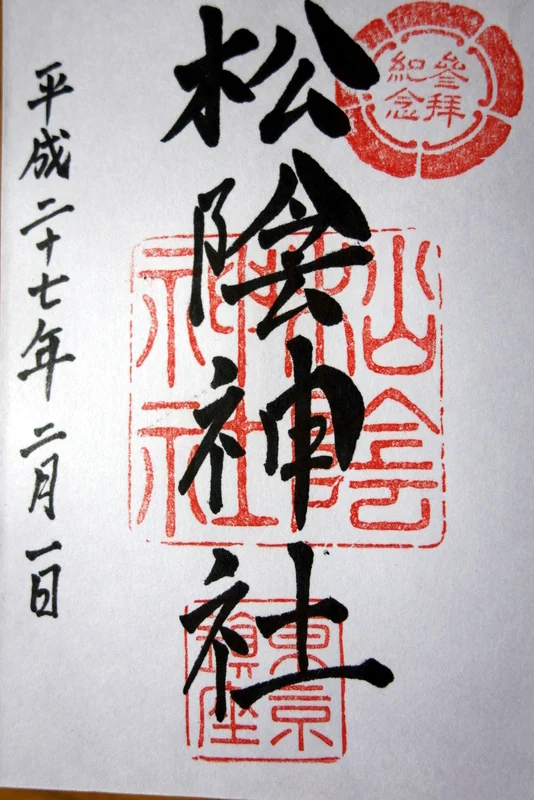
A shrine dedicated to “Yoshida Shoin,” an educator and thinker who trained patriots at the end of the Edo period.
The grounds include Yoshida Shoin's grave and a replica of Shoka Sonjuku, of particular interest to visitors exploring the late Edo period.
History and traditions
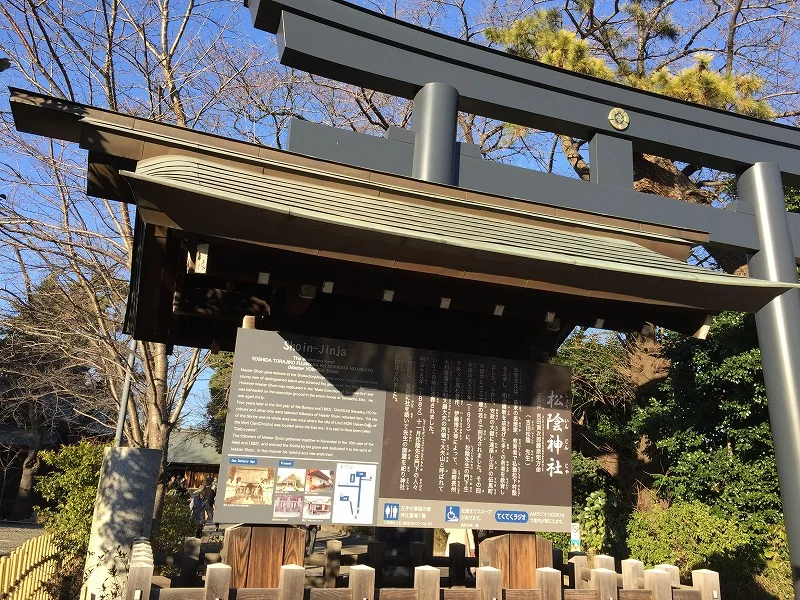
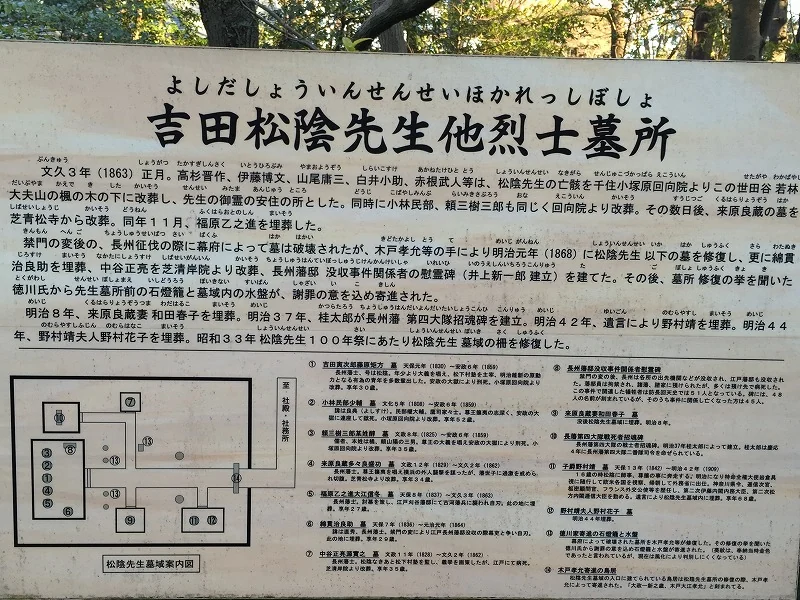
In 1863 (Bunkyu 3rd year), Yoshida Shoin, who was executed in the Great Prison of Ansei, was reburied under a maple tree on Mt. Dafu, which was the villa of the lord of the Choshu domain, by patriots of the Joi faction.
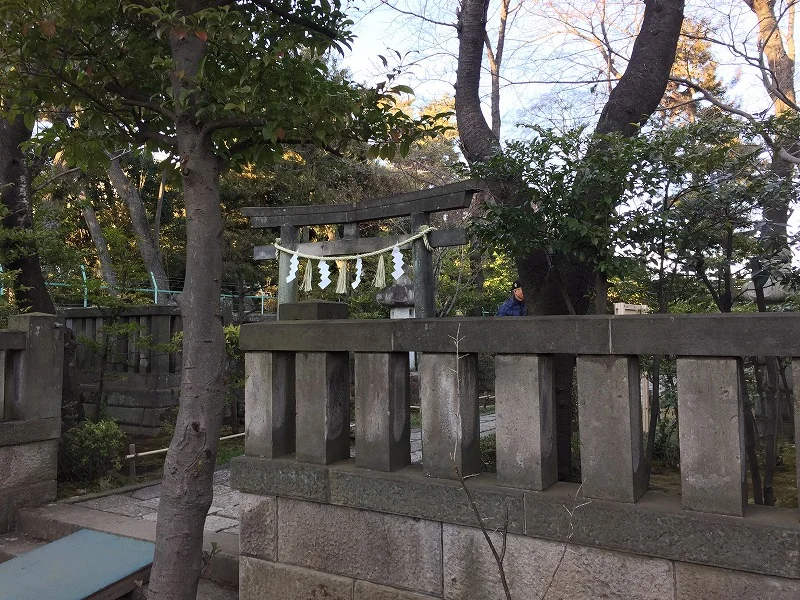
Later, during the upheaval at the end of the Edo period, it was destroyed by the Shogunate forces, but it was later restored by Takayoshi Kido, and the torii gate donated at that time still exists in the cemetery.
In Meiji 15 (1882), the disciples of Shoin Yoshida built a shrine on the side of the grave to enshrine the spirits and to enshrine the loyal souls.
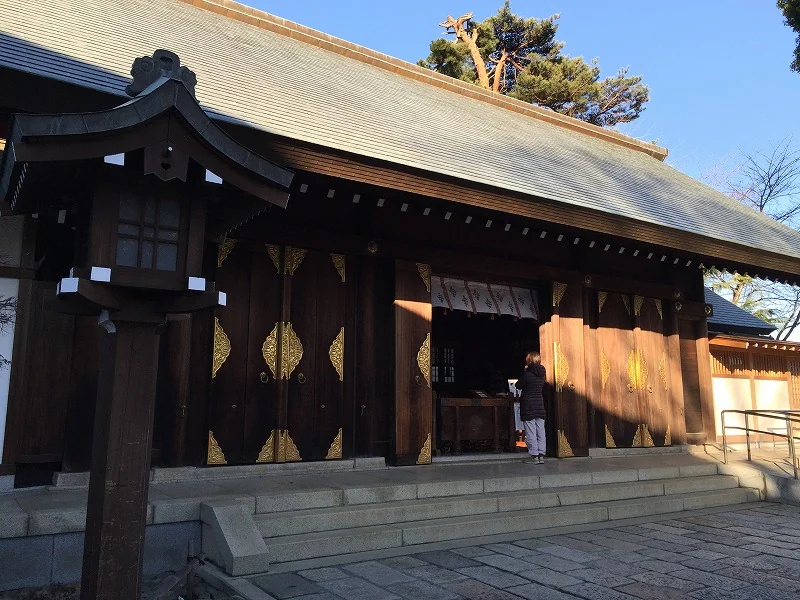
The shrine building that was built at the time of its founding was built with the cooperation of famous figures of the Meiji Restoration, including the first Prime Minister Hirobumi Ito, Aritomo Yamagata, Kaoru Inoue, and Maresuke Nogi, and it is said that it is now the inner sanctum of the main shrine.
Enshrined deity Yoshida Shoin
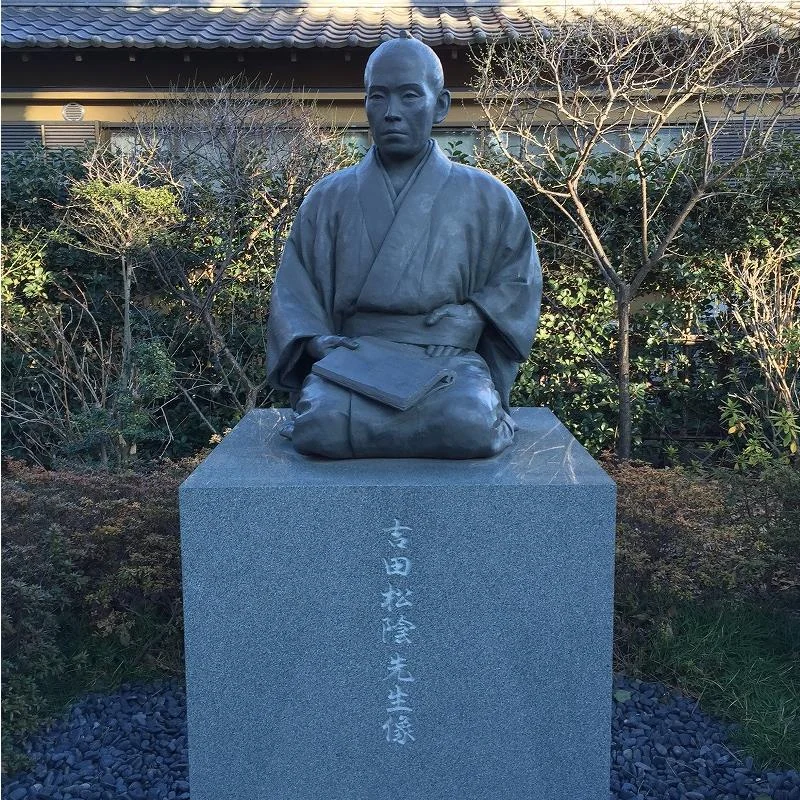
A thinker and educator born on August 4, 1830, in the Choshu domain (present-day Yamaguchi Prefecture).
Shoka Sonjuku, which anyone could attend regardless of social status or occupation, was open for only two years, but it is said that many young people who later achieved the Meiji Restoration, such as Hirobumi Ito, Takayoshi Kido, and Aritomo Yamagata, studied there.
During Japan's opening to the outside world, Shoin petitioned his domain lord, attempted to board an American “black ship” and was imprisoned. The shogunate regarded his ideas about revering the emperor and resisting foreign influence as a threat. He was executed at the age of 30 during the Ansei Purge.
Believing that sincerity could move others, Shoin studied and taught alongside his pupils, helping to shape the next generation. Many people now visit the shrine to pay their respects to him as a figure associated with learning.
“The realm belongs to all its people, rather than to one person alone.”
“There is still no one who is sincere and does not move.”
“Make your will the source of all things.”
Shoka Sonjuku
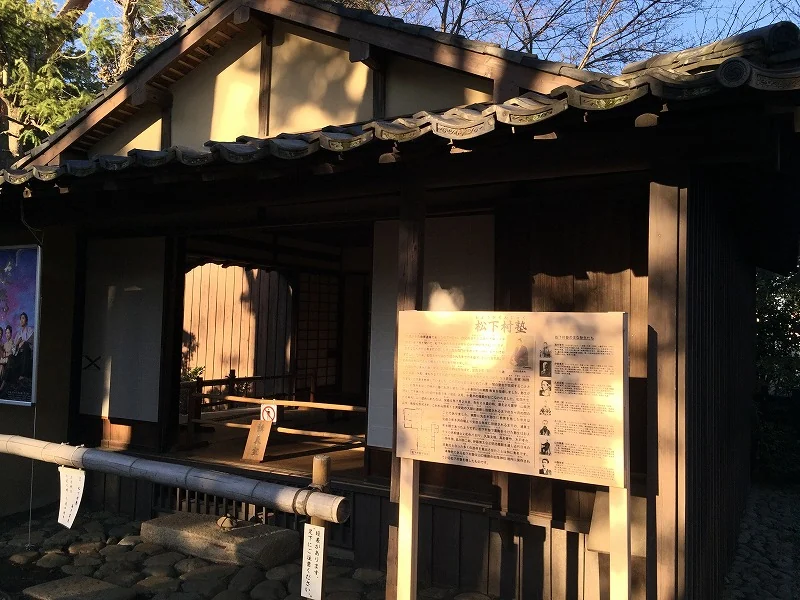
It is on the right hand side when facing the shrine.
The NHK "Hanamoyu" sign and the statue of Shoin Yoshida were also nearby.
This shrine is a replica of the one that currently exists at Shoin Shrine in Hagi, Yamaguchi Prefecture, and the shutters are open only on Saturdays, Sundays, and holidays (9 a.m. to 4:30 p.m. *excluding stormy weather), so you can see what's going on inside.
Shoka Sonjuku accepted students regardless of social standing. Under Shoin, it educated figures including Takasugi Shinsaku, Kusaka Genzui, Ito Hirobumi and Yamagata Aritomo, who later played major roles in the upheavals surrounding the Meiji Restoration.
Stone lantern
There were 32 stone lanterns lined up in the grounds, dedicated by Motoaki Mori and other relatives of Shoka Sonjuku students such as Hirofumi Ito and Aritomo Yamagata.
The lantern inscriptions are in hachibuntai script by calligrapher Takada Chikuzan, and are regarded as valuable cultural assets.
-
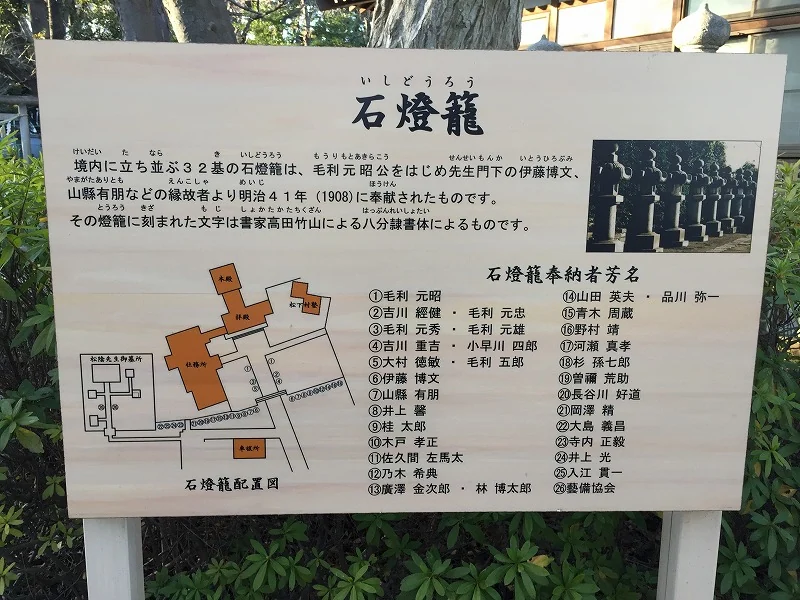
- Information board
-
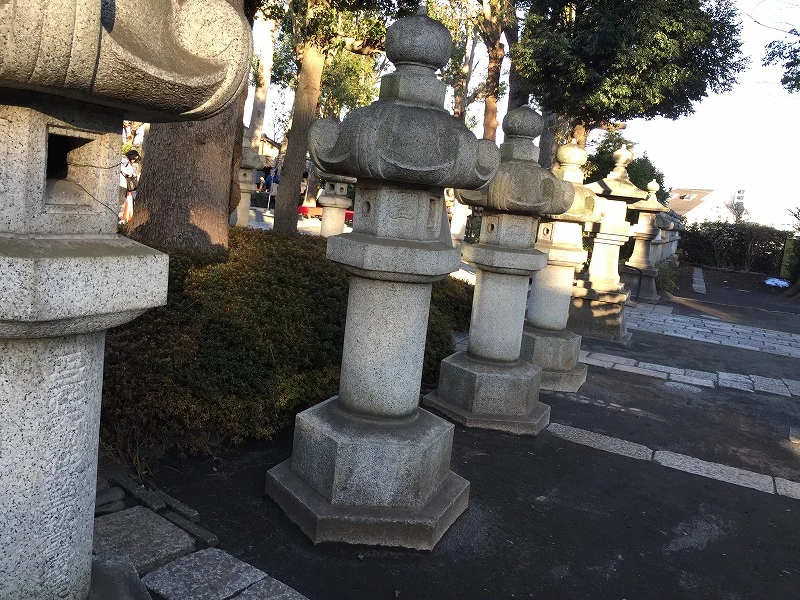
- Stone lantern
Tomb of Shoin Sensei and other martyrs
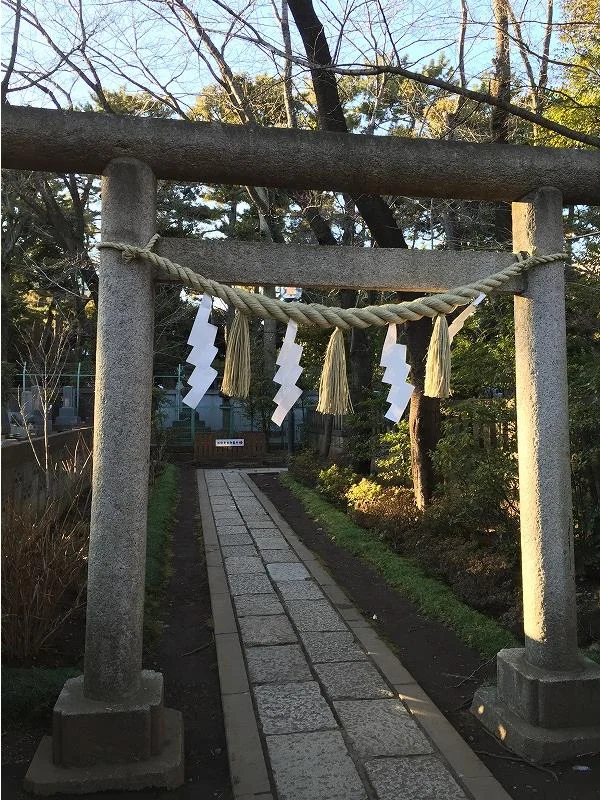
It is located at the back of the approach to the left from the stone lantern.
In addition to the tombstone of Shoin Yoshida, there were tombstones of Kisaburo Yori, Minbu Kobayashi, Ryozo Kurahara, Otsunoshin Fukuhara, Jirosuke Watanuki, Masasuke Nakatani, and other martyrs.
NHK Taiga Drama “Hanamoyu”
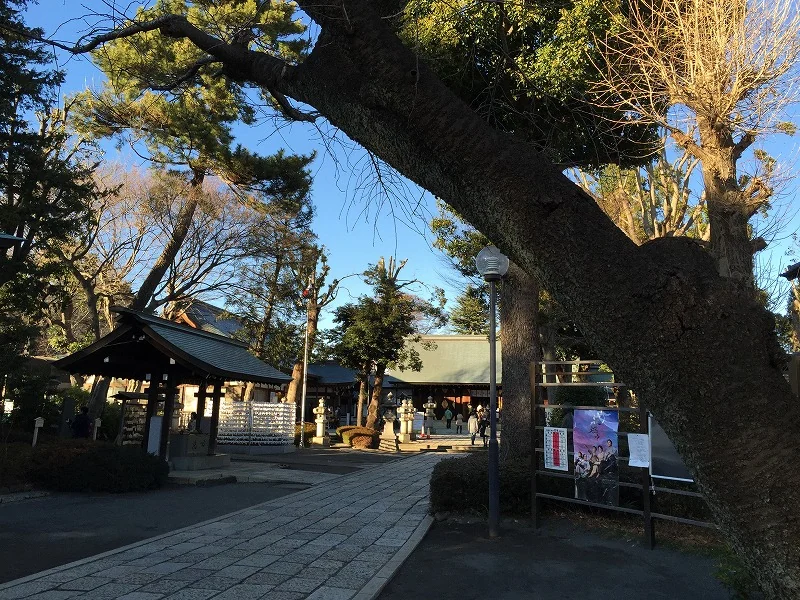
“Hana Moyu”, which was broadcast on NHK at the time, centers on Fumi, the younger sister of the enshrined deity Shoin Yoshida, and tells the story of Shoin's family ties with her and the people who carried on Shoin's will.
Many worshipers were seen in the grounds as television broadcasting had started.
Notes from the visit
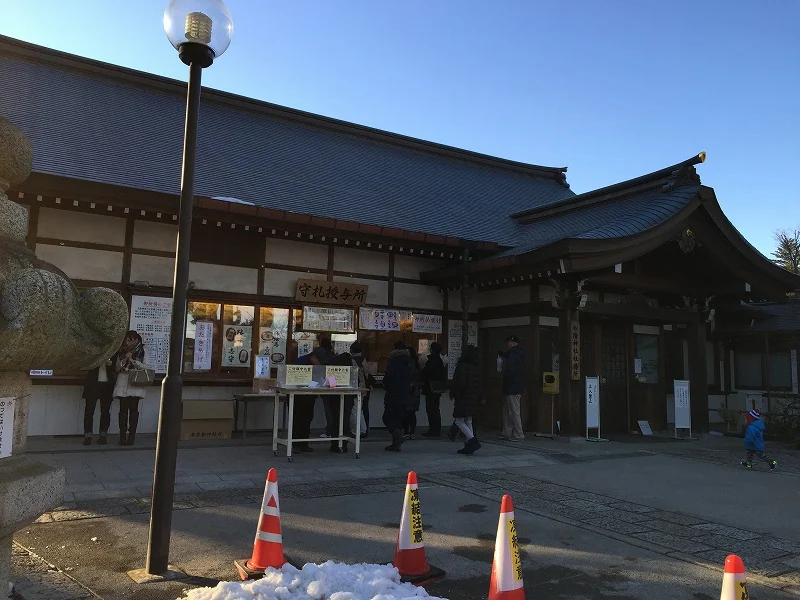
I received goshuin at the shrine office on the left as you face the shrine.
Also, at the shrine office, amulets (Katsumori and Shimori) and votive tablets with handwritten letters written by Shoin Yoshida were distributed.
- Katsu... "Don't give in to your own weak heart like Mr. Shoin."
· Ambition... "I hope I can face difficulties without forgetting my original intention like Mr. Shoin."
-
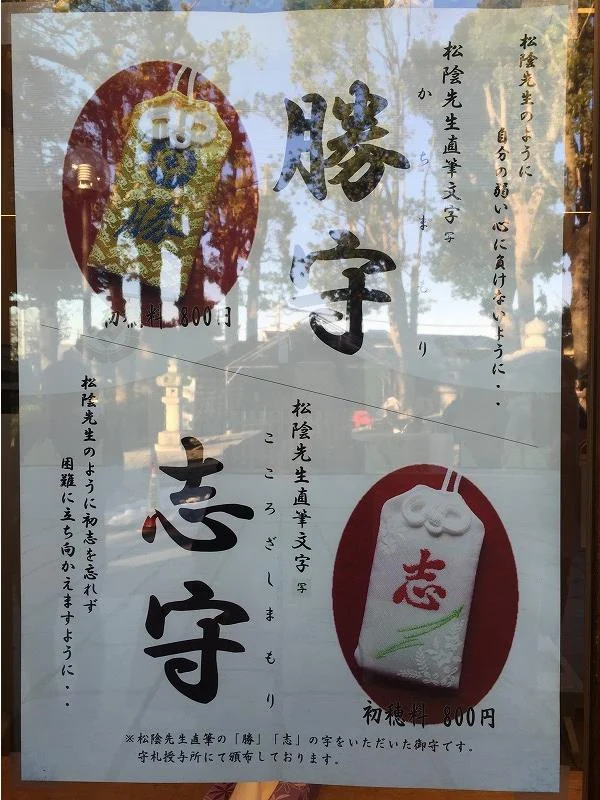
- Amulet
-
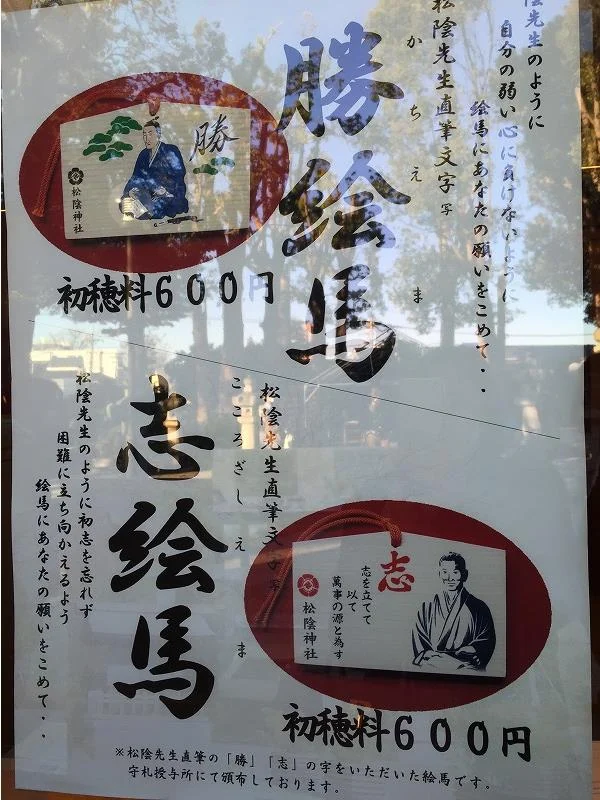
- Ema
· Hana Mamori... "It is in keeping with the people who inherited Shoin Sensei's will that they have blossomed into flowers since then, with that aspiration in their hearts."
It was distributed in limited quantities, but distribution has already ended.
It seems that it will be in a different form than this time, but they are considering distributing the Great Wish Fulfillment [Flower Protection].
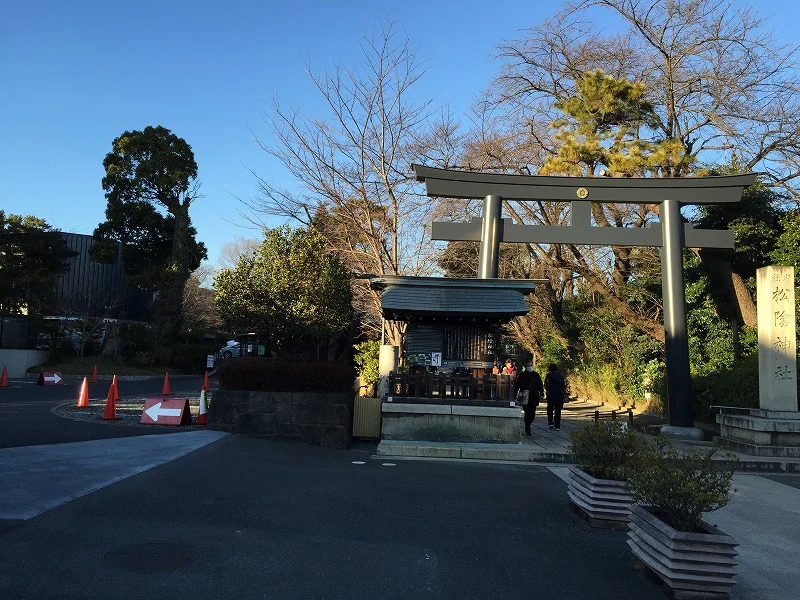
Sources and scope of verification
- Access – [Official] Shoin Shrine/Setagaya-ku, Tokyo Enshrined Place of Yoshida Shoin Sensei's Remembrance: Location, gates open from 7:00 to 17:00, guard gates from 9:00 to 17:00, prayer deadline: 15:50, about 3 minutes walk from the station.
- Notice – [Official] Shoin Shrine/The place where Shoin Yoshida Sensei is buried, Chinza, Setagaya-ku, Tokyo: Information about goshuin and confirmation of holidays.
Official sources were checked on 2026-11-07. The current offering of goshuin, normal award method/shrine office closure/limited distribution on the scheduled visit date cannot be confirmed at this time. Designs, prices and arrangements shown in earlier photographs may have changed.
Goshuin and travel information has been checked against official and other cited sources, with unconfirmed points identified. Earlier photographs and personal experiences remain records of their original visits. Check the stated dates for limited designs.