Oshiage Tobiki Inari Shrine is a shrine that conveys history along with the sacred ginkgo tree. We introduced the goshuin and photos of the shrine grounds that we received from previous visits, and organized access and where to check based on guidance from the Tokyo Association of Shinto Shrines. It is a different shrine from the nearby Takagi Shrine.
Goshuin/Visit confirmation items for Tobiki Inari Shrine
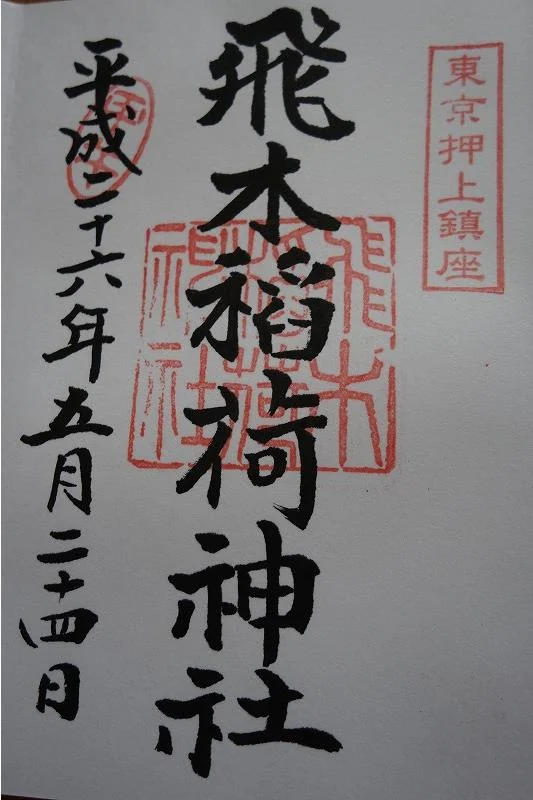
- Photo of goshuin
- Goshuin from a previous visit is shown, with the stamps “Tobiki Inari Shrine” and “Tokyo Oshiage Chinza.”
- Reception hours/offering
- The information provided by the Shrine Agency that we checked this time does not list the time, amount, or award method for goshuin. Please check with the shrine.
- Enshrined deity/sacred tree
- The Tokyo Association of Shinto Shrines names Ukanomitama-no-Mikoto as the deity. The shrine's name is associated with its sacred ginkgo.
- Contact
- 03-3611-0862. Please also directly check the availability of limited goshuin and goshuin book on the day.
Prayers looking up at the sacred ginkgo tree
The History of the Shrine Agency introduces the history of sacred trees that were burnt down in the war and once again spread their branches and leaves. When you look at the photo of goshuin and the sacred tree, you can feel the memory of the land contained in the shrine name. Obey fences and trespassing signs near trees.
The limited edition design and current distribution date of goshuin cannot be determined from past photographs from an earlier visit. If you plan to visit nearby shrines such as Takagi Shrine, be sure to check the opening hours of each shrine separately so that you don't fill up your schedule just by traveling.
Access and location map
According to the Tokyo Association of Shinto Shrines, it is a 4-minute walk from Oshiage Station on the Asakusa Subway Line and Hanzomon Line, and a 4-minute walk from Hikifune Station. The time required varies depending on the exit of the station and the route you take, so please check the location and map as well.
Location: 2-39-6 Oshiage, Sumida-ku, Tokyo.
Open Tobiki Inari Shrine on Google Maps/Check route
Previous visit records and photos (posted in 2014)
The following account preserves the original visit experience and historical introduction. The photographs and encounters at the counter date from that publication; they do not describe a new visit. Old access instructions have been replaced by the checked information above. Historical accounts and spiritual benefits are presented as traditions and beliefs.
This shrine is about a 5-minute walk from Tokyo Skytree.
The shrine's name is said to derive from the sacred ginkgo, which still bears scars from the Tokyo air raids.
History and traditions
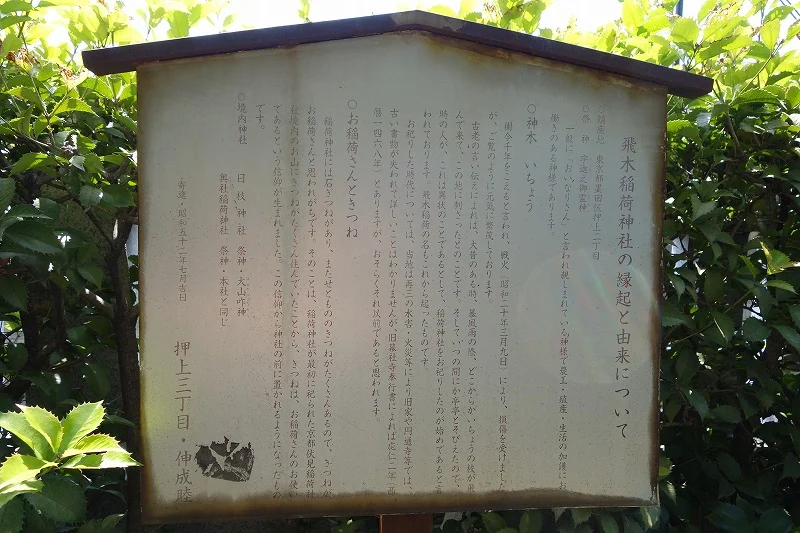
Enshrined deity: Uganomitama no Mikoto
This deity is commonly known as “Oinari-san” and is said to have protection for agriculture, production, and daily life.
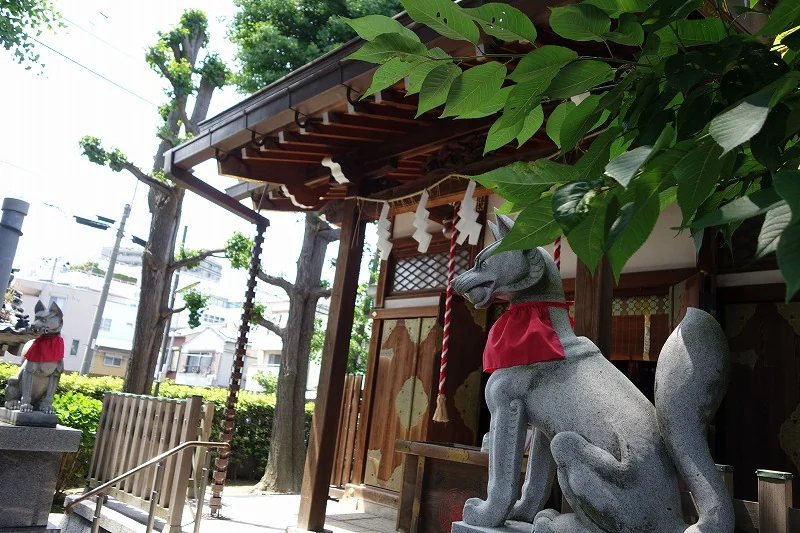
Inari Shrine and Fox
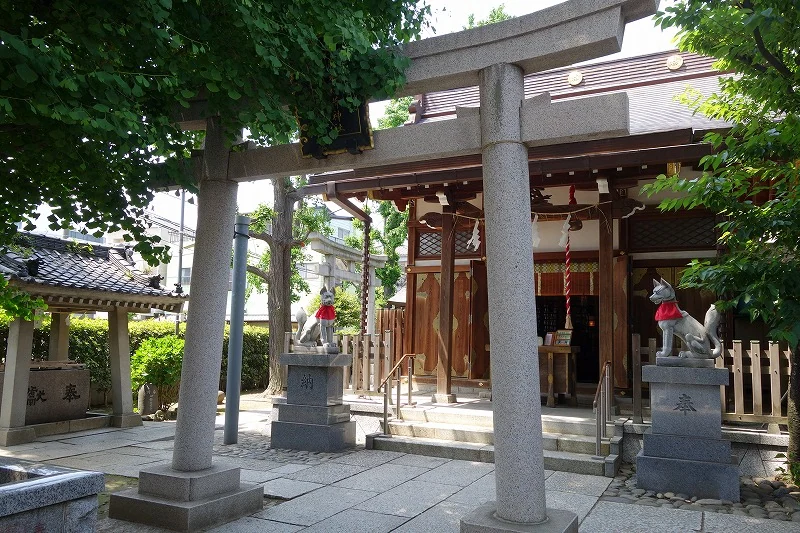
There is a stone fox at Inari Shrine, and there are many other foxes, so people tend to think that foxes are Inari shrines.
This is because there were many foxes living in the mountains within the grounds of Fushimi Inari Shrine in Kyoto, where Inari Shrine was first enshrined, giving rise to the belief that foxes were messengers of Inari. It is from this belief that they are placed in front of shrines.
Divine tree ginkgo, derived from “flying tree”
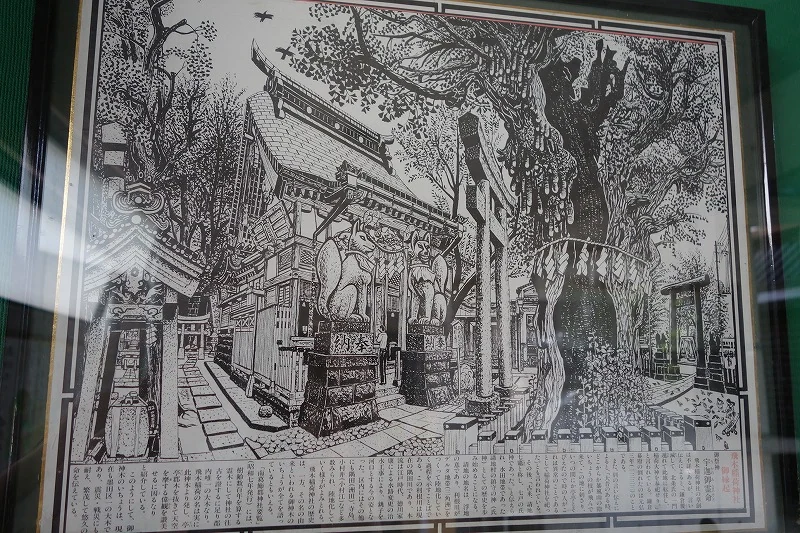
The tree is said to be over 1,000 years old, and although it was damaged in the war, it is thriving and thriving as you can see.
According to legend, during a rainstorm, a branch of a ginkgo tree flew from somewhere and stuck in the ground, and before you knew it, it took root and grew. This is why the Inari Shrine was enshrined because this was abnormal.
The year of its founding is unknown, but it is believed to have been before 1468.
“Substitute” Tokigi’s grilled ginkgo
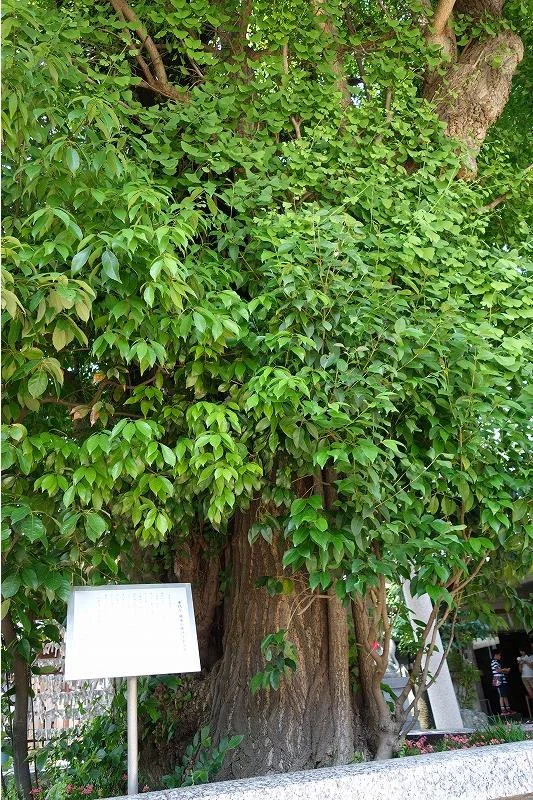
It is said that during the Great Tokyo Air Raid on March 10, 1945, the sacred tree scorched its body and did its best to stop the flames and prevent the fire from spreading to the town. Therefore, it is believed that many people's lives were saved.
It was originally a large tree that was over 500 or 600 years old, but due to the war, its height was reduced to about 15 meters.
Although the sacred tree suffered the great tragedy of war damage, green buds have sprouted again several years later.
The bark still bore wartime scars, but the flourishing green foliage conveyed a striking sense of renewal.
Shrine within the grounds
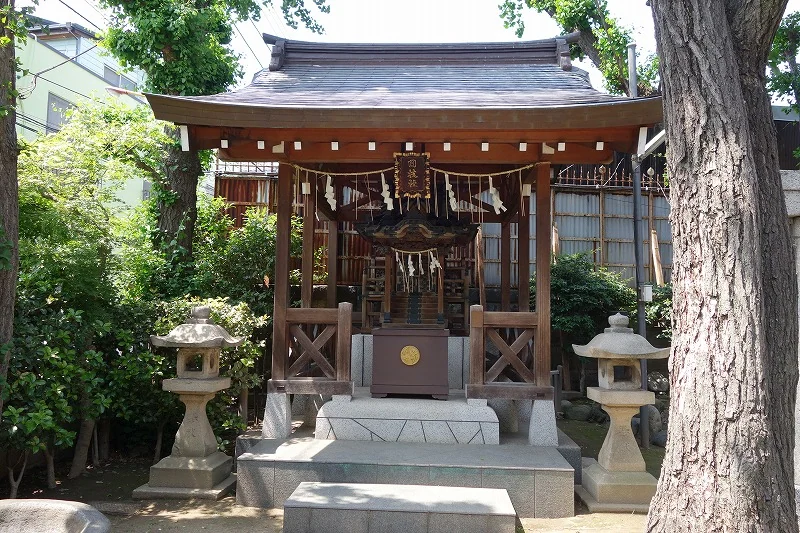
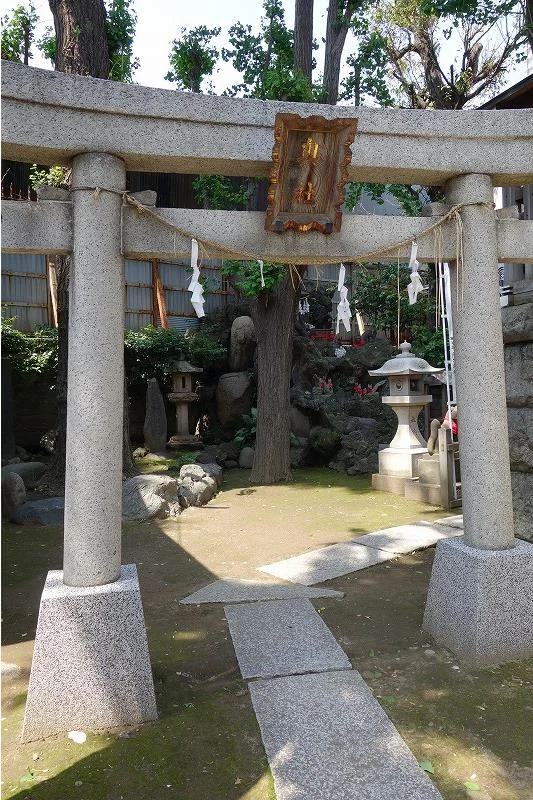
Hie Shrine Enshrined Deity Oyamakui no Kami
Notes from the visit
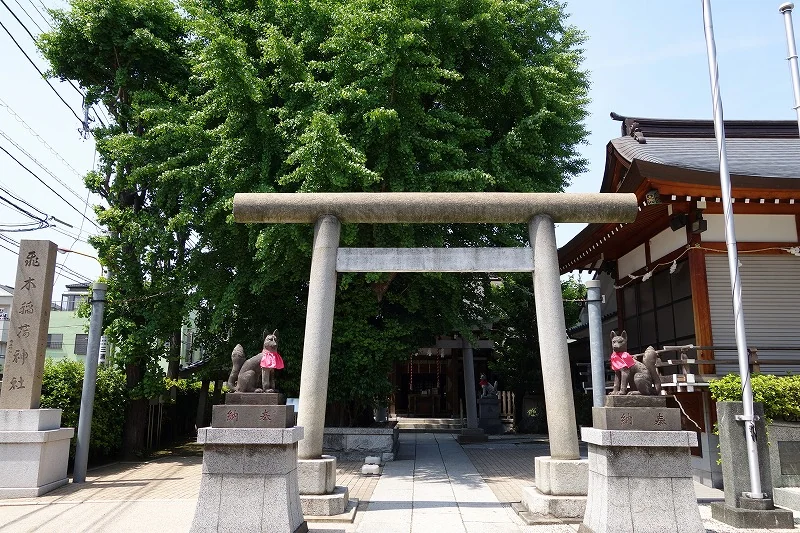
Goshuin was received at the shrine office next to the shrine building.
There was no one at the reception, but when I asked over the intercom, they kindly responded.
When I received goshuin, I received a picture postcard depicting the spring and autumn of Tobiki Inari Shrine.
I was very happy because the colors of the ginkgo were so beautiful and it was a rare picture of the Sky Tree, which was still under construction.
Sources and scope of verification
- Inari Shrine – Tokyo Metropolitan Agency for Shrines and Shrines: Name of Tobiki Inari, enshrined deity, sacred tree and post-war restoration, location/telephone, 4 minutes walk from Oshiage/Hikifune.
Official sources were checked on 2026-11-07. The current distribution and stock of goshuin exclusive time, offering, award method/limited items and goshuin book cannot be confirmed at this time. Designs, prices and arrangements shown in earlier photographs may have changed.
Goshuin and travel information has been checked against official and other cited sources, with unconfirmed points identified. Earlier photographs and personal experiences remain records of their original visits. Check the stated dates for limited designs.