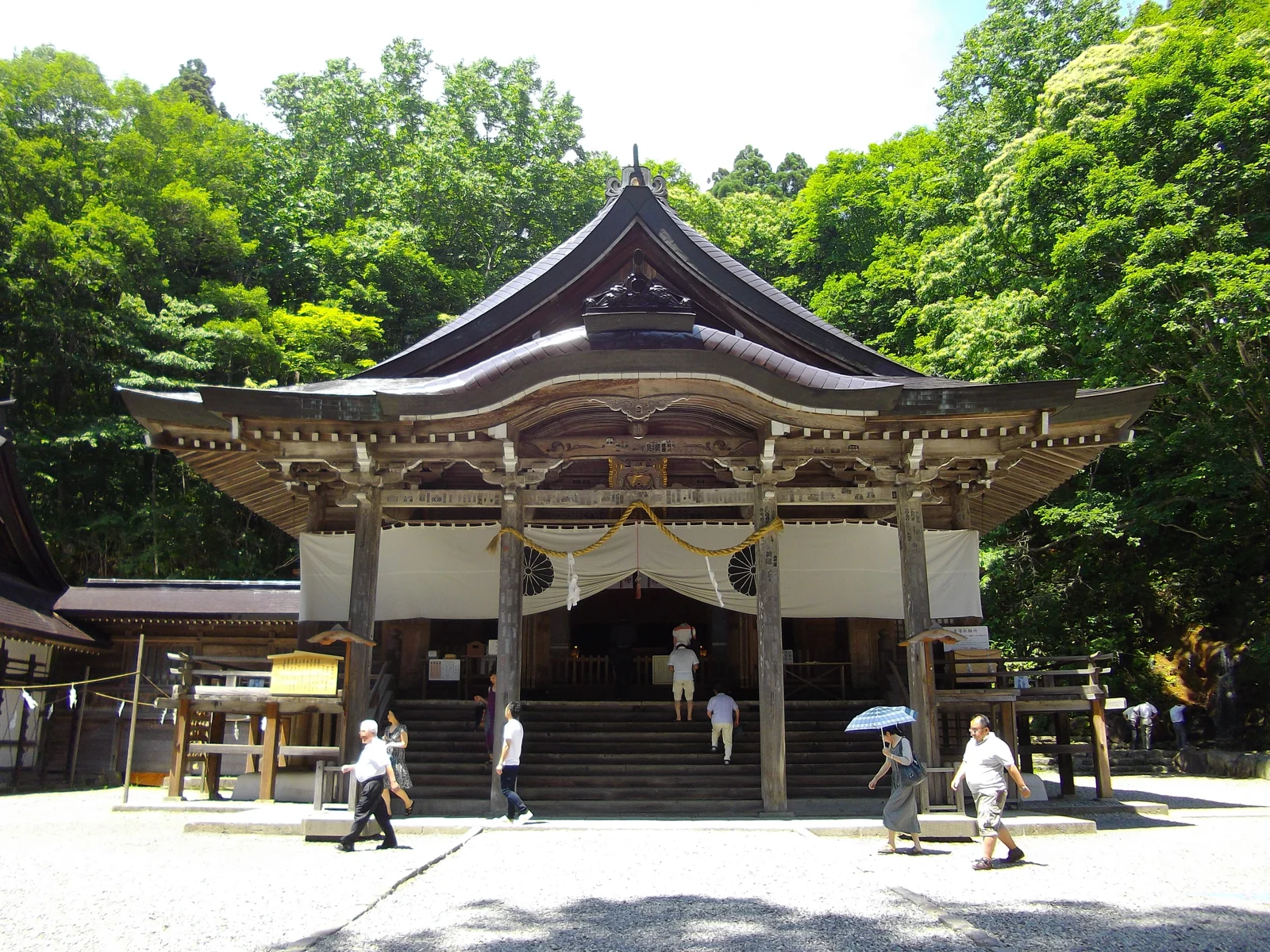
Each of the five shrines in Togakushi Shrine has a different goshuin. This page introduces the visit accounts of Hokosha Shrine and Hinomikosha Shrine, focusing on Chusha Shrine. Hinomikosha Shrine and goshuin will be requested at the Chusha Shrine or Hokosha Shrine conferring office, so please plan the worship location and the reception location separately.
Togakushi Shrine — Chusha goshuin/Visit confirmation items
- Normal reception
- Official goshuin information says 9:00 to 17:00. Hours and counters change during the winter.
- Chusha Shrine Award Center
- Chusha's counter handles goshuin for Chusha and Hinomikosha. The shrine states that a goshuin cannot be issued for a shrine you have not visited.
- Hokosha Shrine Award Center
- Hokosha's counter handles goshuin for Hokosha and Hinomikosha. Receiving the latter there does not replace an actual visit to Hinomikosha.
- Goshuin Books
- This is a guide distributed at each Okusha Shrine, Chusha Shrine, and Hokosha Shrine award office. Please check the current price and stock at the counter.
After visiting Hinomikosha Shrine, go to the awarding place
Goshuin of Hinomikosha Shrine is available at Chusha Shrine and Hokosha Shrine award offices. Even though there is a separate counter for goshuin, you cannot request it without first visiting Hinomikosha Shrine. The official explanation is that the goshuin of the five shrines is a sign of worship.
On days when it is difficult to visit all five shrines, instead of forcing yourself to collect goshuin, choose a shrine that you can actually visit and plan accordingly. Please allow plenty of time until the end of the reception period at the awarding center, including the return bus and travel time between shrines.
Reception and parking lot during winter season are confirmed separately from normal season.
Togakushi has officially stated that the goshuin reception in winter is different from normal. Please do not just apply past years' winter schedules to next year's, but rather check the latest announcements for the winter season you wish to visit.
Official access also notes that parking may be unavailable due to snow. The Togakushi Kodo is also introduced as part of the Gosha Pilgrimage on foot, but it is best to decide on the itinerary based on the road conditions and physical strength.
Access and location map
Official access provides information on how to get to Togakushi from Nagano Station by bus or taxi. Chusha Shrine, Hokosha Shrine, and Hinomikosha Shrine are located far apart from each other. Chusha Shrine has a parking lot for about 100 cars, Hokosha Shrine has a parking lot for about 20 cars, and Hinomikosha Shrine has a parking lot for 3 cars in front of the torii gate, but they may not be available during the winter. The map below is the location of Chusha Shrine.
Location: Togakushi, Nagano City, Nagano Prefecture (Chusha Shrine).
Open Togakushi Shrine — Chusha on Google Maps/Check route
Previous visit records and photos (posted in 2014)
The following account preserves the original visit experience and historical introduction. The photographs and encounters at the counter date from that publication; they do not describe a new visit. Old access instructions have been replaced by the checked information above. Historical accounts and spiritual benefits are presented as traditions and beliefs.
According to Japanese mythology, this shrine was built at the foot of Mt. Togakushi, which is said to have been created by the flying "Ama no Iwato" and is famous nationwide as a power spot.
It has a history of over 2,000 years and consists of five shrines: Okusha Shrine, Chusha Shrine, Hokosha Shrine, Kuzuryusha Shrine, and Hinomikosha Shrine.
Each shrine is connected by an ancient natural approach called kanmichi.
This account covers Chusha, where Togakushi Shrine's main office is located, along with Hokosha and Hinomikosha.
Chusha Shrine
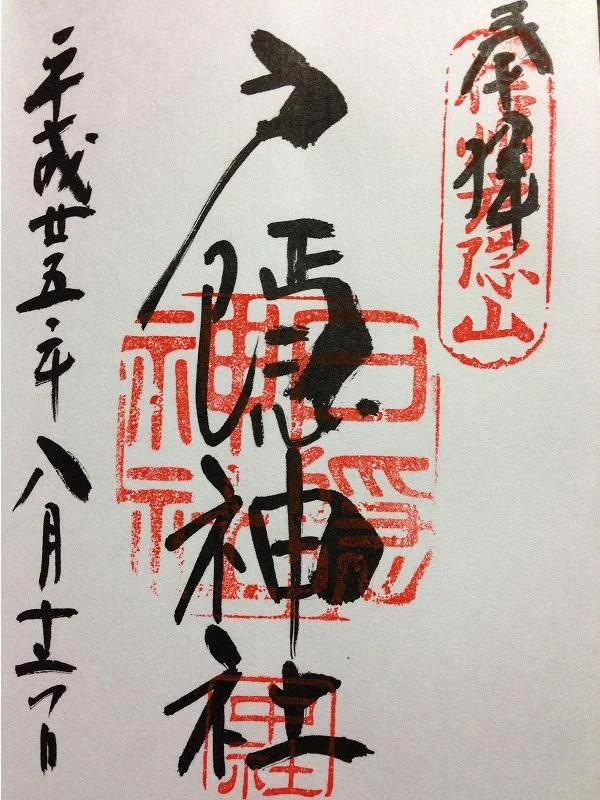
Enshrined deity: Ame-no-Yagokoro-Omoikane-no-Mikoto.
The deity of wisdom who devised the plan to open the heavenly rock cave, traditionally associated with learning, examinations, successful business, good fortune and family safety.
The shrine building has a "ceiling painting of a dragon," and the shrine grounds include a sacred tree that is over 700 years old, a Sanbonsugi tree that is over 800 years old, and a treasure hall called "Seiryuden."
There was a large parking lot for worshipers on the west side of the approach, but it was often full of worshipers on holidays.
There is no parking lot on the main gate side with Sanbonsugi and Otorii, and there are many famous soba restaurants nearby, so it was quite busy.
Hokosha Shrine
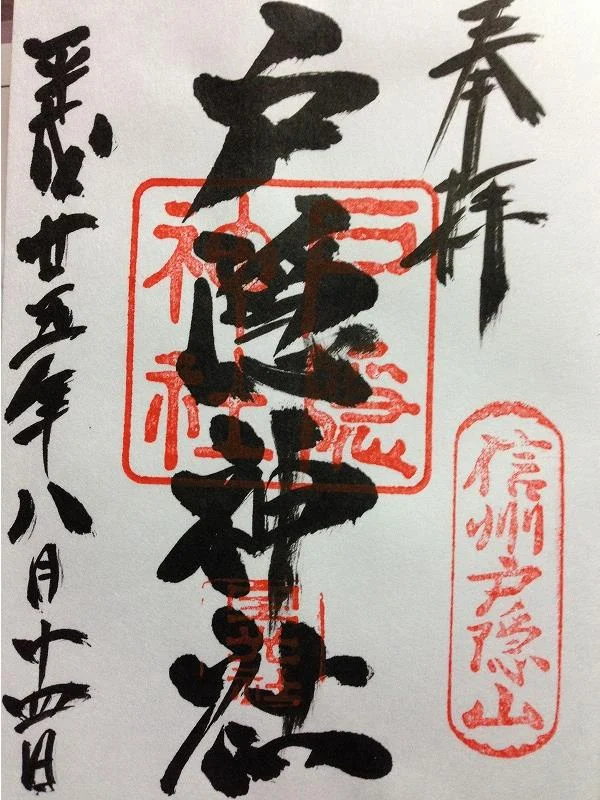
Enshrined deity: Ame-no-Uwaharu-no-Mikoto.
A child of Omoikane, the deity of Chusha. Traditionally associated with pioneering, learning, practical arts and sewing, safe childbirth, protection from misfortune and family safety, and revered as a guardian of women and children.
Nearby farmers were selling fresh vegetables directly in front of the long 270-step staircase leading to the shrine.
I had some boiled corn there, and it was very sweet and delicious.
I received goshuin when I visited Hokosha Shrine. The photo is goshuin of Hokosha Shrine.
Hinomikosha Shrine
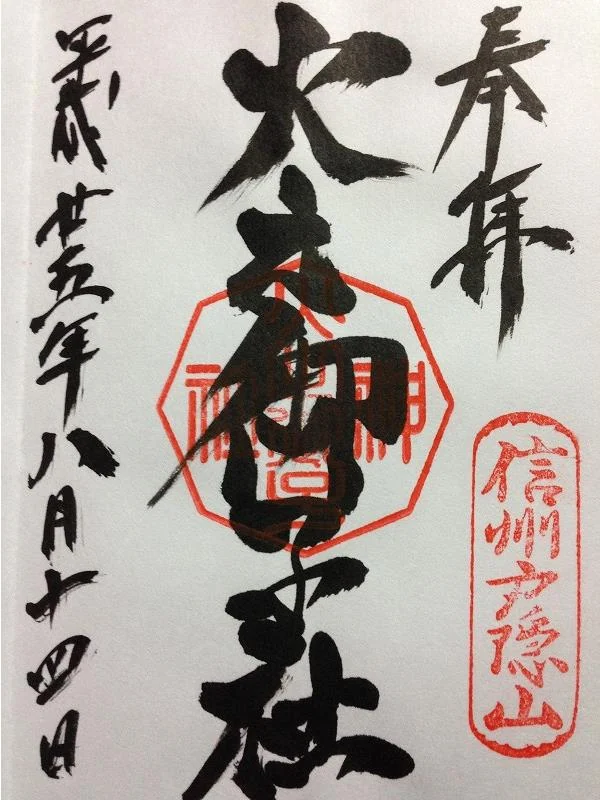
Enshrined deity: Ame-no-Uzume-no-Mikoto.
Her captivating dance before the heavenly rock cave is associated with the performing arts, good fortune, matchmaking and protection from fire.
Also enshrined: Takamimusubi-no-Mikoto, Takuhatachijihime-no-Mikoto and Ame-no-Oshihomimi-no-Mikoto.
Since Hinomikosha Shrine does not have a shrine office and the Shinto priest is absent, goshuin was delivered to Hokosha Shrine at its shrine office.
Hokosha Shrine is connected to the shrine by a natural approach called Kanmichi, which takes about 15 to 20 minutes on foot.
In the grounds, there are two cedar trees called Meoto Sugi and Saigyo cherry blossoms, which are spectacular.
Sources and scope of verification
- goshuin|About Togakushi Shrine|Togakushi Shrine: goshuin of five shrines, response from the awarding office, no awarding to those who have not visited the shrine, usually from 9:00 to 17:00, change in winter
- Access|Togakushi Shrine: Transportation from Nagano Station, parking lots of each company, caution when using in winter
Official sources were checked on 2026-11-07. The specific reception counter and period for the winter season of 2026-2027/offering for each goshuin and the day's method of issuing goshuin cannot be confirmed at this time. Designs, prices and arrangements shown in earlier photographs may have changed.
Goshuin and travel information has been checked against official and other cited sources, with unconfirmed points identified. Earlier photographs and personal experiences remain records of their original visits. Check the stated dates for limited designs.