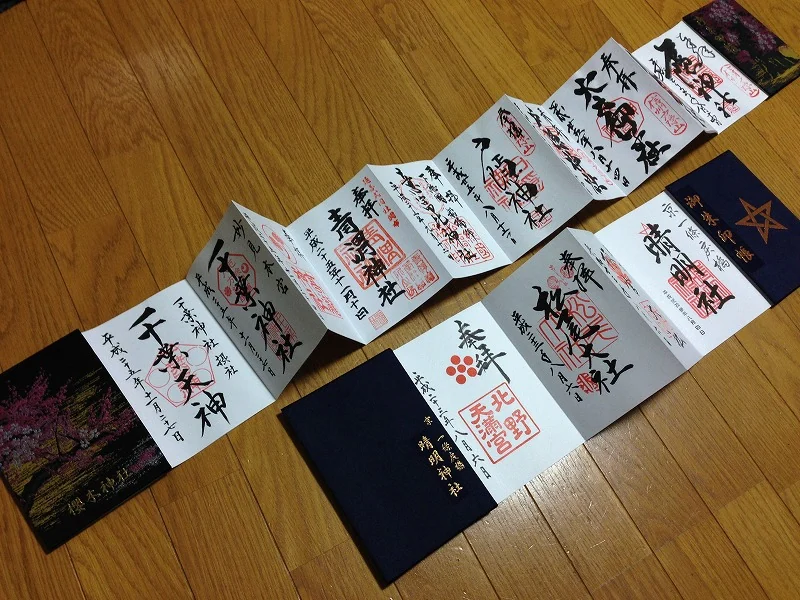
A goshuin book holds the record of your shrine and temple visits. Choose your first by considering not just its cover, but the places or pilgrimage you plan to visit. Distinguish general advice from the requirements of each individual site.
What you need to know first
- First thing to decide
- Consider whether you want to go on a regular tour of temples and shrines or a pilgrimage using a special goshuin book for each temple.
- Points of comparison
- Compare size, structure such as folding/binding type, ease of handling paper, weight, and presence or absence of a cover.
- Preparation at the counter
- Follow the instructions of the temple/shrine, such as opening the page to record and handing it over, and keeping the deposit tag.
- pre-written goshuin on a separate sheet
- Kakioki is a goshuin supplied on a separate sheet. Check its dimensions before attaching it to your book, and keep it safely until then.
Think about size and paper based on the situation you will actually carry it around.
Although the large notebook makes it easy to view the goshuin spread, it takes up space in your bag. While the smaller size is easier to carry around, you will need to consider how to paste and store it depending on the size of the paper you receive. If possible, open the actual product and check its weight and ease of use.
Don't judge the quality just by the thickness of the paper or how the ink bleeds, choose the one that is recommended for goshuin. If you are concerned about bleed-through or handling, please check with the distributor and do not force yourself to use up the back side.
Should each temple or shrine have one book or be divided?
You can separate the temples and shrines, or you can keep them in one book in the order of worship. However, since the acceptance method differs depending on the temple and shrine and pilgrimage, it cannot be guaranteed that all temples and shrines will register under the same conditions. Please give priority to the information at reception.
A dedicated pilgrimage book can include spaces for temple names and devotional verses. Other routes, such as the Boso Three Provinces pilgrimage, explicitly allow ordinary books. Deciding where you want to visit first makes the choice easier.
Even if you have a book, it does not necessarily mean that you will receive goshuin handwritten directly in your book.
There are some temples and shrines that only have pre-written goshuin on a separate sheet, and some temples that record the name of the person who has deposited the copy of the sutra. The official guide to Sengakuji Temple explains the process of copying and transferring sutras and that you should bring goshuin book. Simply purchasing a book does not mean that you will receive it in the same way everywhere.
Important records will be damaged if you close them before the ink dries or put them in a wet bag. When you receive the paper, check how you handle it, and store it away from moisture and direct sunlight even after you get home. When pasting pre-written goshuin on a separate sheet, please check the front and back sides and orientation before proceeding.
Goshuin/Visit record seen in previous photos
Photographs from the original article are retained. Any prices, dates, designs and views of the grounds in them belong to the time they were taken, rather than representing current conditions.
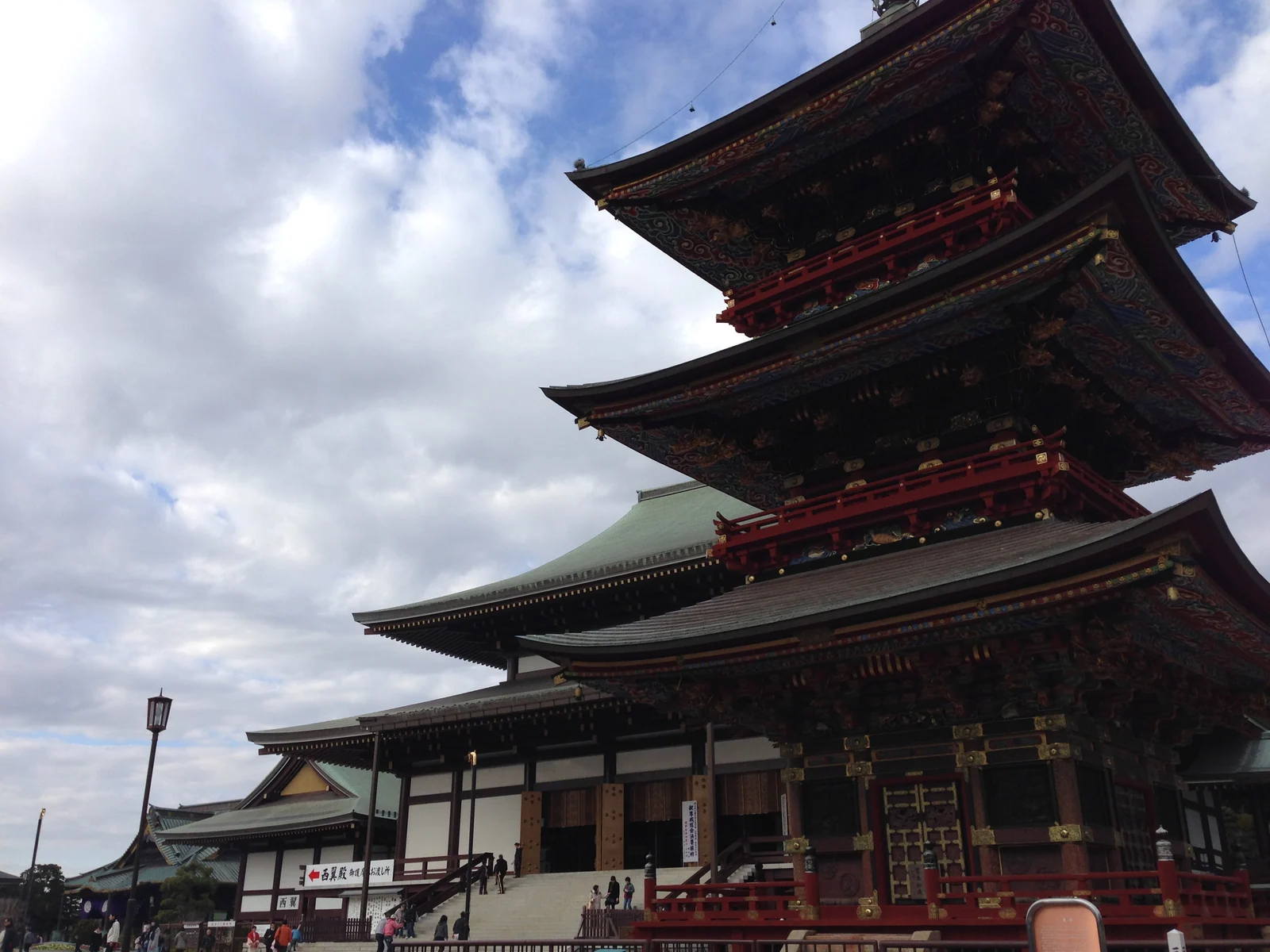
Source and scope of confirmation
- Association of Shinto Shrines|About goshuin: Background of goshuin and goshuin book as record of a visit
- goshuin|Information on visiting|Soto Zen Edo Three Temples Manshoyama Sengakuji Temple: Instructions to copy Sengakuji temple sutras and sutras and bring goshuin book, open the page and hand them over
Sources checked: 2026-11-07. Read historical and mythological accounts as traditions or explanations provided by the cited organisations. Practical arrangements apply to the individual shrine or temple described.
Items not confirmed at this time: Acceptance conditions of goshuin book for individual temples and shrines.
This article has been revised using official sources, relevant organisations and museum materials. Photographs are records of earlier visits. Check each shrine or temple's latest practical information before travelling.