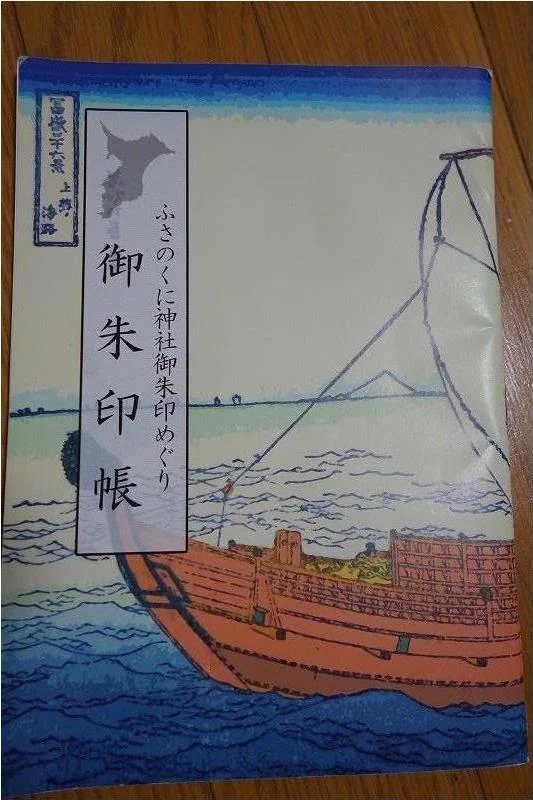
The route called Fusanokuni Shrine Goshuin Pilgrimage in the 2014 article is now the Boso Three Provinces Shrine Goshuin Pilgrimage. It has expanded from 37 to 41 shrines. The older participation method and flat goshuin offering have been replaced with current official information.
What you need to know first
- Number of target shrines
- 41 shrines in total: 6 in Awa, 16 in Kazusa and 19 in Shimousa.
- Initial preparation
- The official website provides instructions on how to obtain a shrine guidebook for 300 yen, present it together with goshuin book, and record it in the collection record column.
- Goshuin fee and order
- Goshuin Fees vary depending on the shrine, and the order is free. This is an official FAQ that says there is no deadline.
- Goshuin Books
- A dedicated pilgrimage book is not required. Ask each shrine about guidebook and goshuin-book availability, stock and any need for reservations.
Understand the two roles of guide book and goshuin book
The official way to participate is to give goshuin book and a shrine guidebook together when you receive goshuin, and have them fill out the stamp collection record section of the guidebook as well. If it is compatible with pre-written goshuin on a separate sheet, this is a guide to enter the date yourself.
Guidebook 300 yen and goshuin fee for each shrine are separate. Please do not use the past explanations of 200 yen for the guide book and 300 yen for goshuin as the current fees.
Confirmation of shrines that require reservations and the absence of priests
The official shrine list marks locations requiring a goshuin reservation with the character “yo,” meaning advance booking. Even elsewhere, a priest may be absent on some days. Check ahead when planning a distant visit.
Officials recommend visiting during the day, approximately from 9am to 4pm, but these are not the same reception hours for all 41 shrines. Prioritize each company's time and reservation conditions, and don't force yourself to plan too many trips in one day.
Target shrines in three countries and Mangan/Damangan
Once you have visited the shrines in Awa, Kazusa, and Shimousa, you will receive Mangan, and if you visit all 41 shrines, you will receive Daimangan. Please check the official FAQ as the commemorative item you receive at the time of achievement may be received at a later date depending on the presence and handling of the Shinto priest.
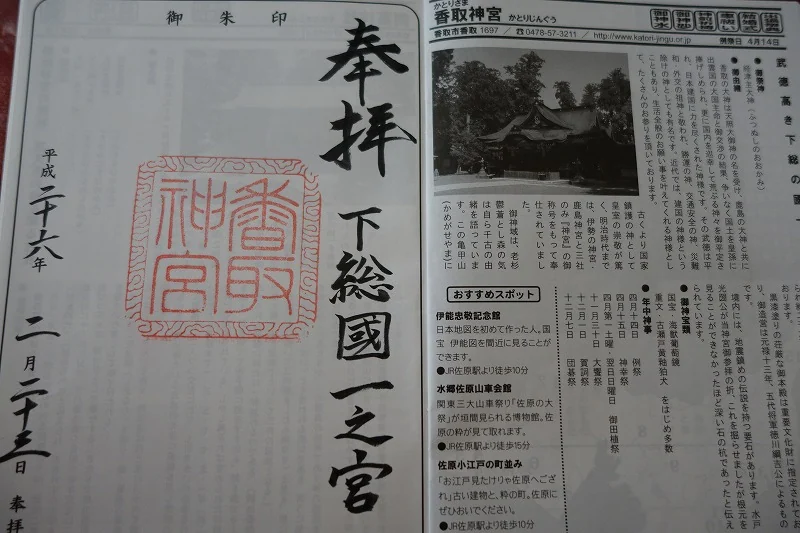
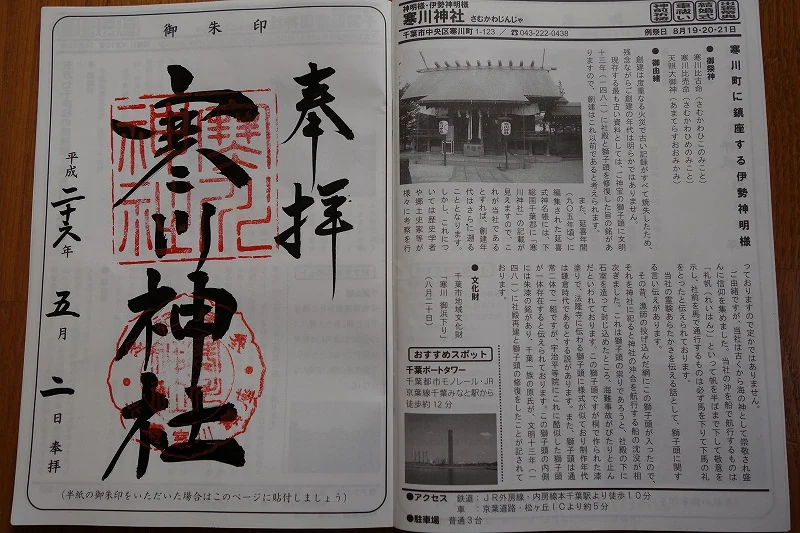
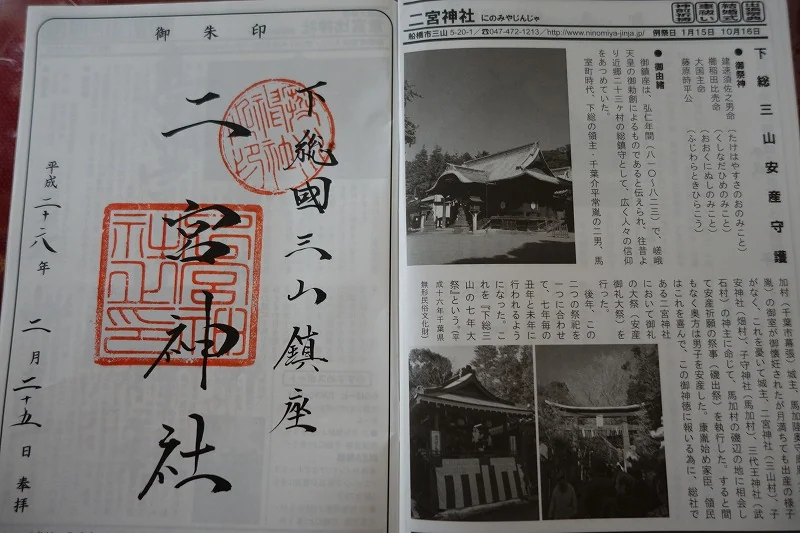
Katori Jingu, Samukawa Shrine, Ninomiya Shrine, Katsushika Hachimangu, etc. that are mentioned in this site are also included in the official Shimousa list. The latest list and reservation display for all 41 shrines can be found on the source management committee website. The photo at the beginning is a book from an old project, and is not a sample of the current special book.
Goshuin/Visit record seen in previous photos
Photographs from the original article are retained. Any prices, dates, designs and views of the grounds in them belong to the time they were taken, rather than representing current conditions.
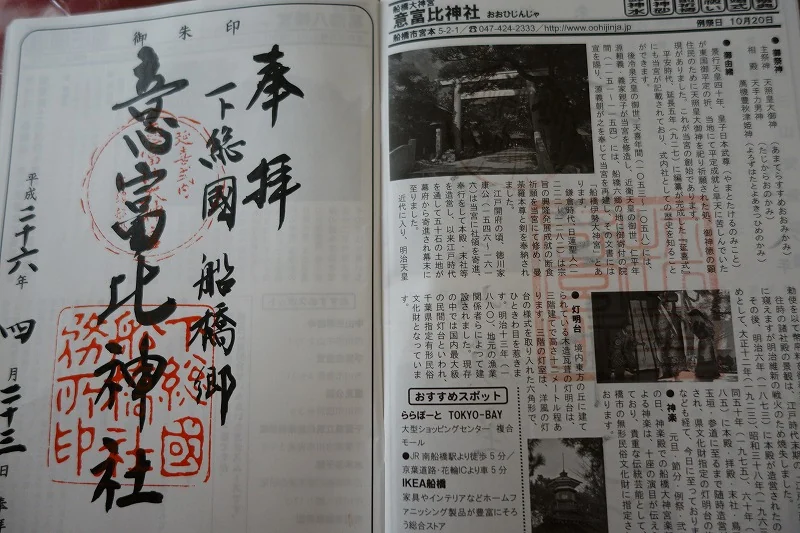
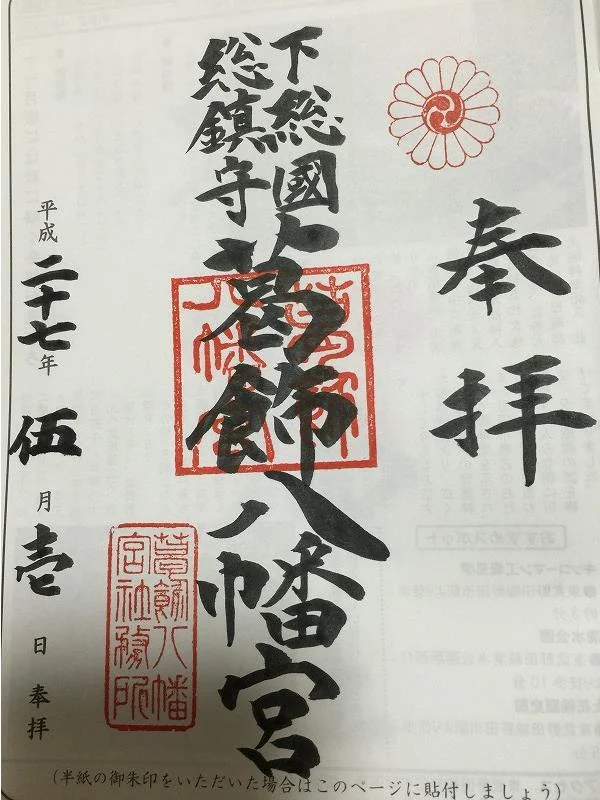
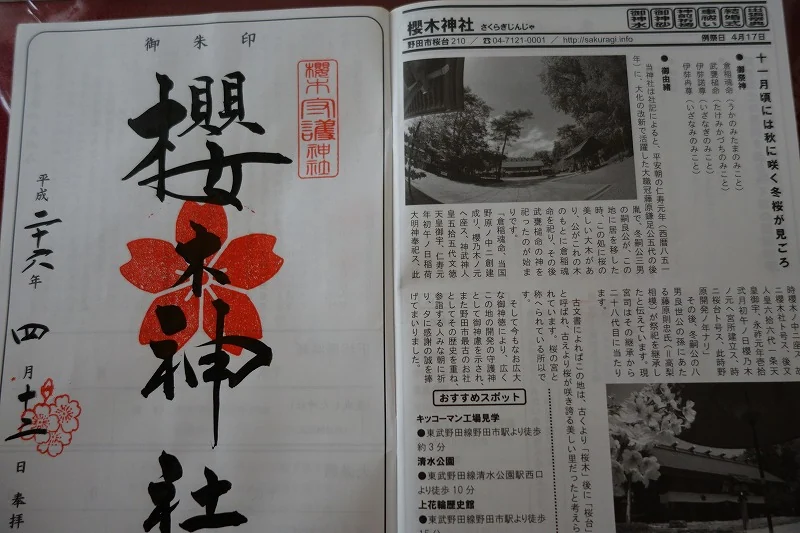
Source and scope of confirmation
- Boso Three Provinces Shrine Goshuin Pilgrimage Official: Name change, 41 shrines, guidebook 300 yen, goshuin fee for each company, reservation, application conditions, deadline, form FAQ
- Information / Visiting the Fusanokuni Shrines goshuin / Visit the shrines enshrined in the rising sun of the Land of the Rising Sun and receive goshuin. : Record of 37 shrines' projects in the old Fusanokuni in 2014. Current conditions and distinction
Sources checked: 2026-11-07. Read historical and mythological accounts as traditions or explanations provided by the cited organisations. Practical arrangements apply to the individual shrine or temple described.
Items that have not been confirmed at this time: Each company's guide book/goshuin book inventory and visit date correspondence.
This article has been revised using official sources, relevant organisations and museum materials. Photographs are records of earlier visits. Check each shrine or temple's latest practical information before travelling.