Tomioka Hachimangu, popularly known as Hachiman-sama of Fukagawa. I have left the goshuin that I received previously and a photo of the temple grounds, and added official traffic information and parking precautions due to construction. This is a guide for those visiting the shrine in Tomioka, Koto Ward, not to be confused with Hachimangu Shrine of the same name in Kanagawa Prefecture.
Goshuin/Visit confirmation items for Tomioka Hachimangu
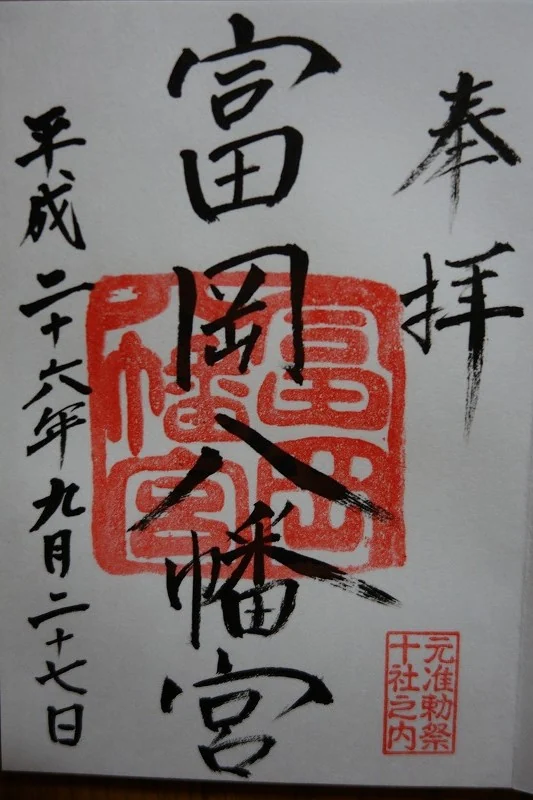
- Photo of goshuin
- Posting goshuin of "Tomioka Hachimangu" that I received during my previous visit. We do not guarantee the current design or award conditions.
- Reception/offering
- From the official permanent information obtained this time, we were unable to determine the time, amount, and entry conditions exclusively for goshuin. Please check with the shrine office.
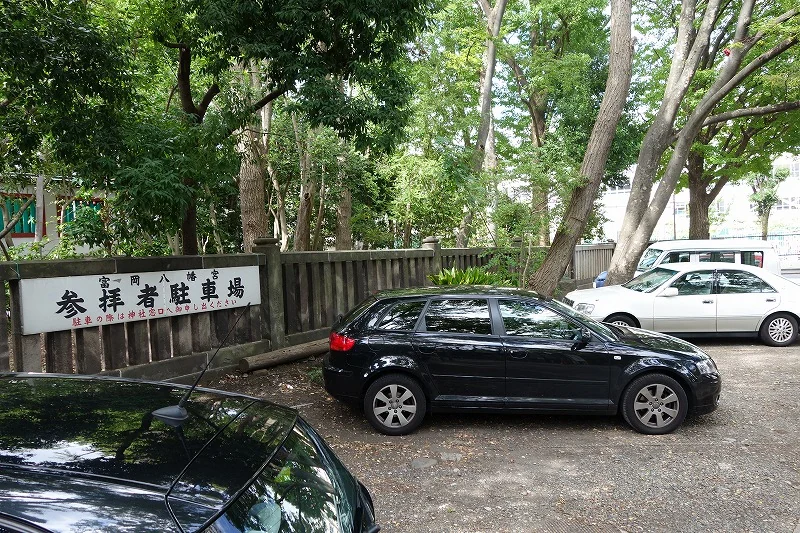
- Visiting the shrine by car
- On the official top page, there is a restriction on the number of parking spaces due to construction related to the 400th Anniversary of the Enshrinement and a notice requesting the use of public transportation.
- Contact
- Tomioka Hachimangu office: 03-3642-1315.
Walking along Hachiman-sama in Fukagawa with goshuin
In the photo, goshuin has a large shrine name written in ink and a red stamp. In the original article, we also introduce the mikoshi and the monuments in the temple grounds related to sumo wrestling. Please follow the instructions on the day to find out where the photos were taken and whether or not you can tour them.
As there are official announcements regarding construction work related to the commemorative project, you may not be able to walk through the grounds exactly as shown in the old photos. Prioritize the local signs for how to get to the counter where you request goshuin and the range of traffic. If you are using a car, please do not decide to visit based solely on previous parking information.
Access and location map
According to the official transportation information, it is a 3-minute walk from Monzen-Nakacho Station on the Tokyo Metro Tozai Line, a 6-minute walk from Monzen-Nakacho Station on the Toei Oedo Line, and a 15-minute walk from Etchujima Station on the JR Keiyo Line. Walking time varies depending on the route you use.
Location: 1-20-3 Tomioka, Koto-ku, Tokyo.
Open Tomioka Hachimangu on Google Maps/Check route
Previous visit records and photos (posted in 2014)
The following account preserves the original visit experience and historical introduction. The photographs and encounters at the counter date from that publication; they do not describe a new visit. Old access instructions have been replaced by the checked information above. Historical accounts and spiritual benefits are presented as traditions and beliefs.
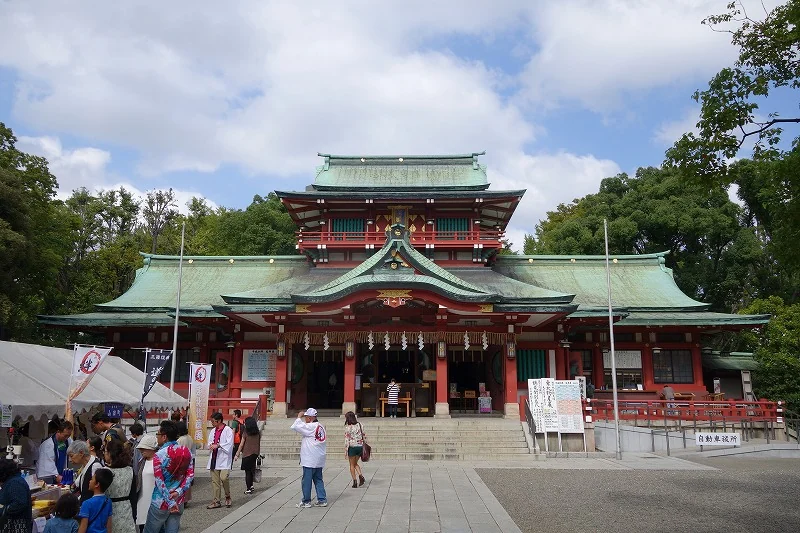
This shrine is known as "Hachiman-sama of Fukagawa" and is widely worshiped by the common people of Edo.
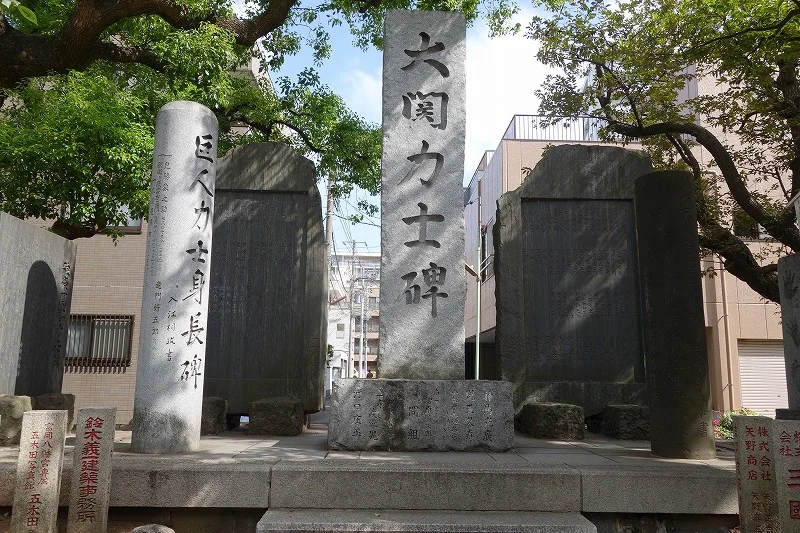
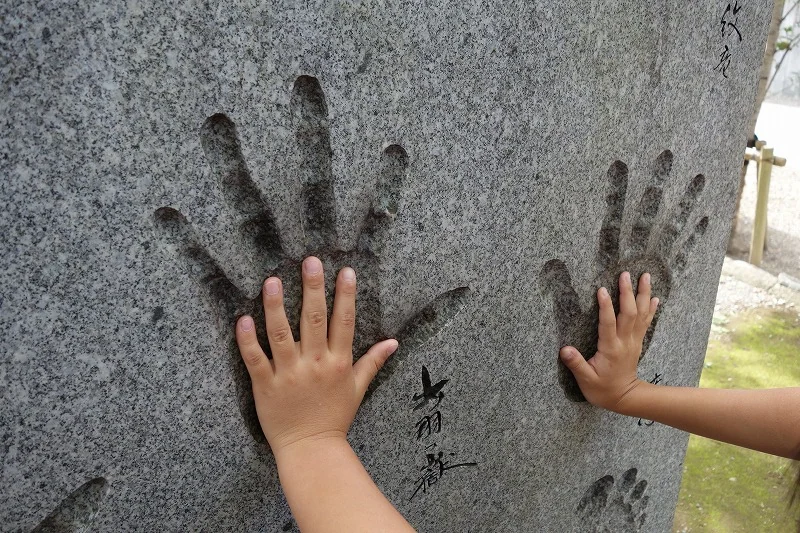
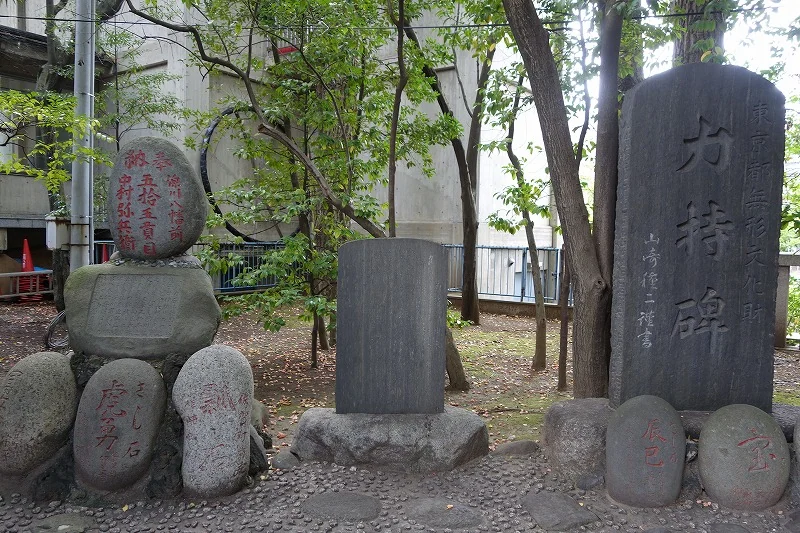
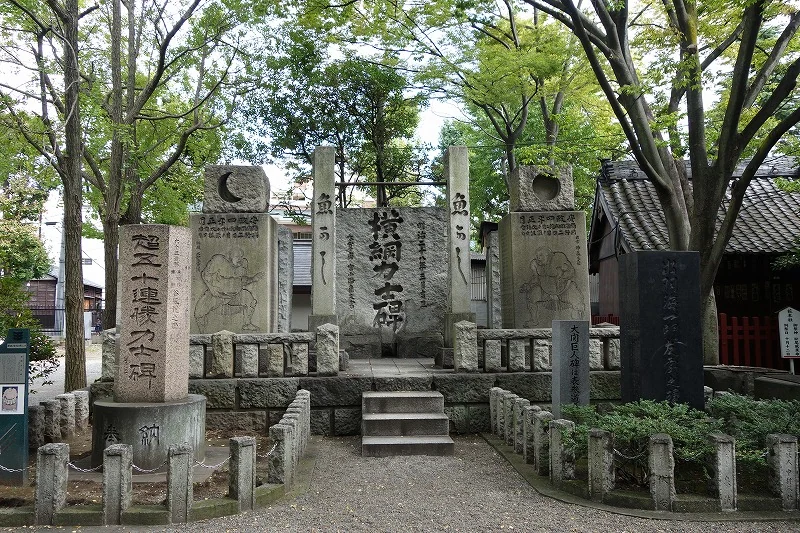
It is said that the shrine is the birthplace of sumo, and there are many monuments related to sumo in the grounds, including a monument to yokozuna sumo wrestlers, and there were many worshipers who appeared to be sumo fans.
History and traditions
It is said that in 1627 (Kanei 4), Hoin Nagamori, who is said to be a descendant of Prince Sugawara no Michizane, received a divine oracle in a dream and enshrined it on a small island called Eitaijima at the time.
Deities enshrined: Eight deities in addition to Emperor Ojin (Hondabetsu no Mikoto Hondawake no Mikoto)
Good luck, warding off evil spirits, business prosperity, family safety, nautical traffic safety, safe childbirth, academic success, etc.
Fukagawa Hachiman Festival
The Tomioka Hachiman festival, held mainly on August 15th, is one of the three major festivals of Edo.
Once every three years, the year in which the Otori Mikoshi of Hachiman Shrine is carried out is called the Honmatsuri, and it is said that more than 120 mikoshi from the parishioners' towns are brought out, and of these, more than 50 large mikoshi representing each town and district come together to carry out the united togyo.
Head Office Mikoshi
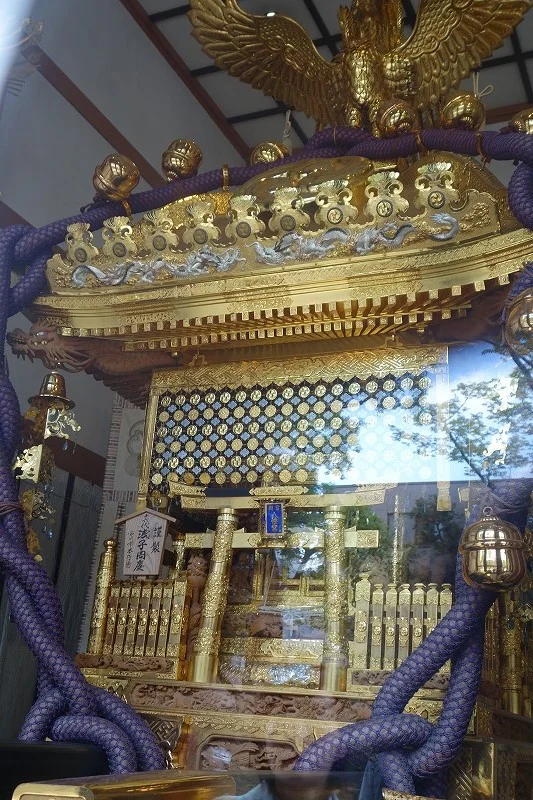
Two jeweled shrine shrines are displayed in the shrine storage, and it is said that the Ichinomiya shrine was dedicated by Mr. Kiyoshi Sagawa (former owner of Sagawa Express) in 1991.
It is said that there were three shrine mikoshi all covered in gold that were dedicated by Kinokuniyazaemon during the Genroku period, but they were lost in the Great Kanto Earthquake.
Yokozuna sumo wrestler monument
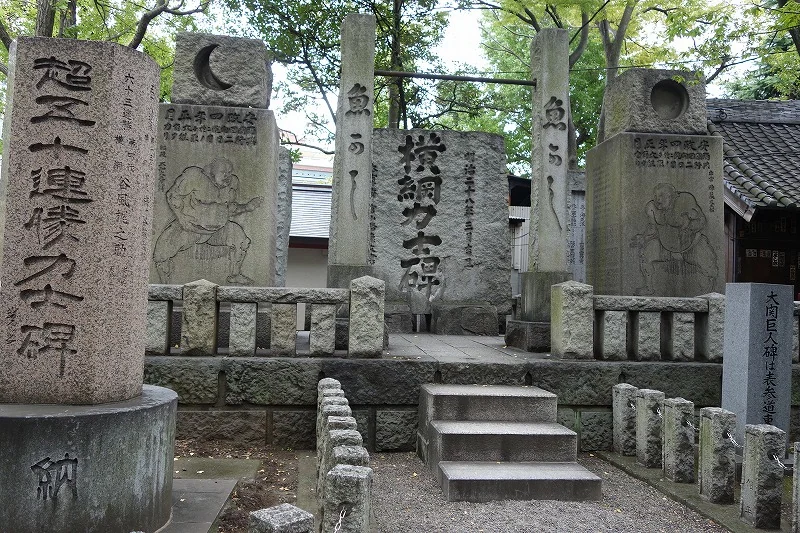
In 1684 (1st year of Jokyo), Kanjin Sumo was held for the first time with permission from the temple magistrate, so it is said to be the shrine where sumo began.
Because of this connection, in 1900 (Meiji 33), the 12th Yokozuna Jinmaku Kugoro was the founder of this monument, which was erected to honor the successive Yokozuna, and the names of the successive Yokozuna are engraved on it.
In addition to this, there are other sumo-related monuments such as the Ozeki Rikishi Monument, the Super 50 Consecutive Winning Rikishi Monument, and the Giant Sumo Rikishi Height Monument.
Sub-shrine Nanato Shrine
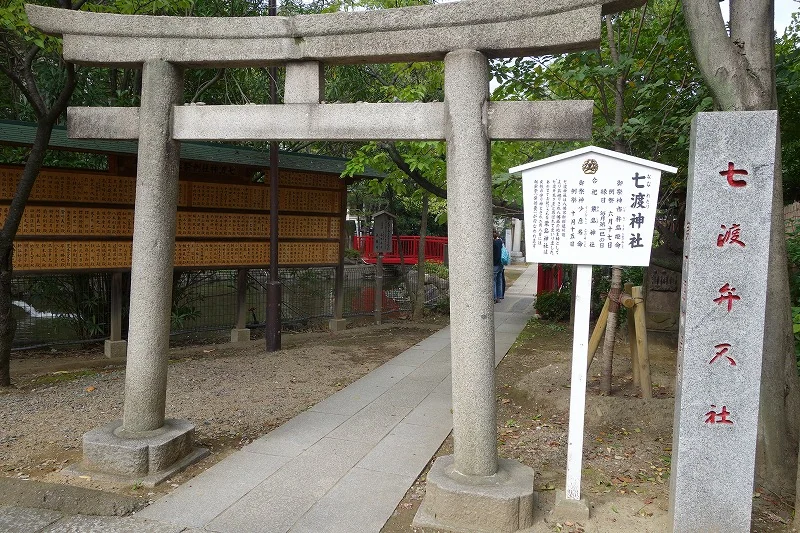
Enshrined deity Ichikishima Hime no Mikoto
A landowner deity known as Nanawatari Benten, who has been worshiped since before Hachimangu Shrine was established.It is said that the people who evacuated to Benten Pond survived the disasters of the Great Kanto Earthquake and the Great Tokyo Air Raid.
Suesha Others
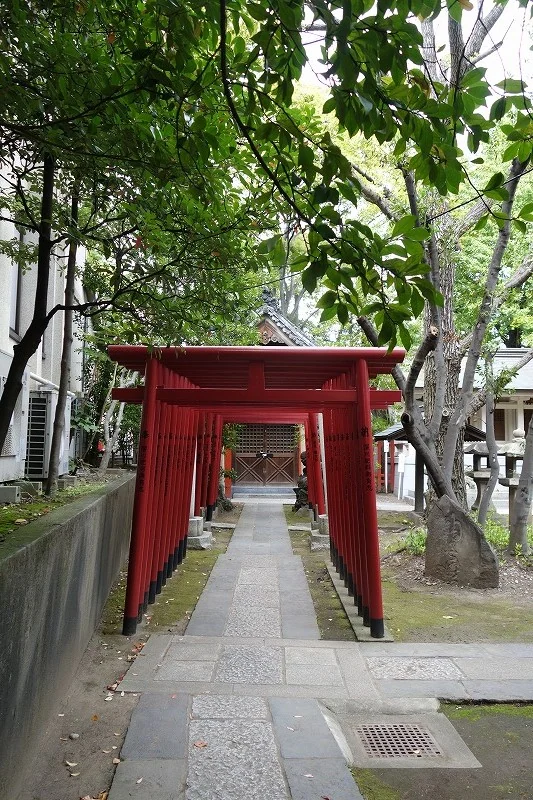
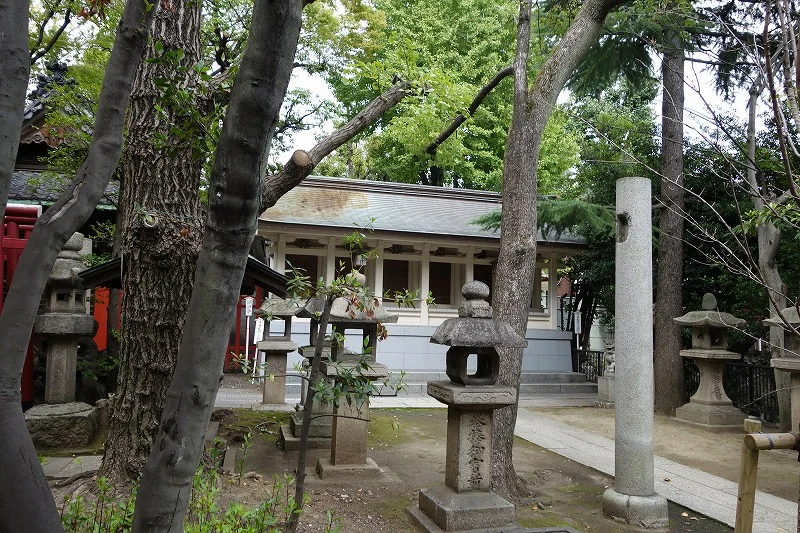
“From the history of Tomioka Hachimangu
Awashima Shrine Enshrined Deity Sukunahikona-no-Mikoto Regular festival day October 15th
It is enshrined at Nanato Shrine. It is worshiped as the god of improving sewing skills, and a needle offering festival is held on February 8th, where worshipers donate broken and used needles.
Kurumasasha Enshrined Deity Kiyohara Yorinomichi Regular festival day May 14th
Kiyohara Yorikami, a Confucian scholar from the late Heian period, is enshrined here. It is called Kurumaori Daimyojin, based on the story of Emperor Gosaga's oxcart getting stuck in front of the gate.
Guest Shrine Enshrined Deity Usuiuri no Mikoto Regular Festival Day May 15th
It is enshrined at Kurumasa Shrine. It enshrines the god of performing arts, U-U-U-U-M-Mikoto.Nomi Sukune Shrine Enshrined Deity Nomi Sukune no Mikoto Regular festival date April 24th
This is a shrine dedicated to Nomi Sukune, said to be the founder of sumo. It can be said that it is a subsidiary shrine that is suitable for this shrine, which is the birthplace of Edo Kanjin Sumo.Sumiyoshi Shrine Enshrined Deity Sumiyoshi Deity Regular festival date June 30th
Since ancient times, he has been worshiped as the god of safe navigation, Japanese poetry, and agriculture.Shotoku Taishi Shrine Enshrined Deity: Prince Shotoku no Mikoto Regular festival date: April 22nd
This is a shrine dedicated to Prince Shotoku, who solidified the foundations of our country by establishing the 17 articles of the constitution, the 12 ranks of the crown, and dispatching envoys to the Sui Dynasty.
There are also a total of 17 subsidiary shrines enshrined here, including Ebisu Shrine, the Fukagawa Seven Lucky Gods, Oshima Shrine, which is popular for the Tori Market, and Nominyado Ne, which is dedicated to the founder of sumo wrestling.
Museum
A museum exhibiting local daily necessities such as Kiba, Fukagawahama, and Saga Town Grain Wholesaler Warehouse, as well as Oriental ceramics.
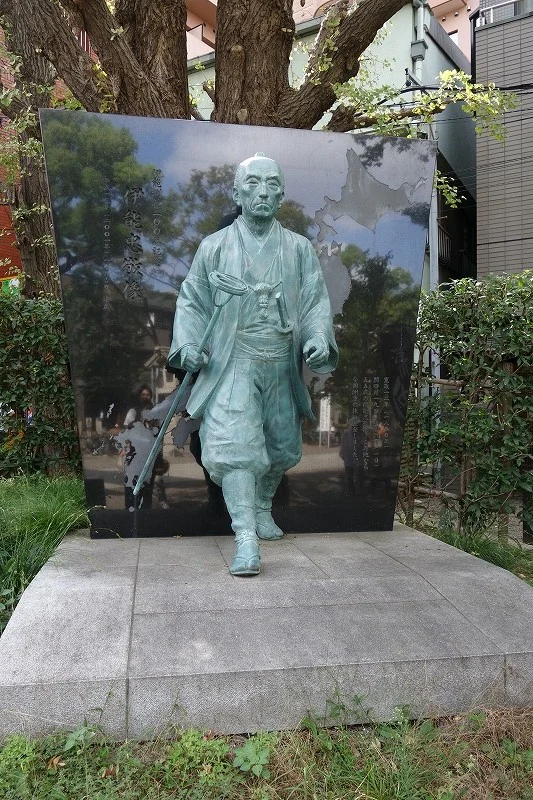
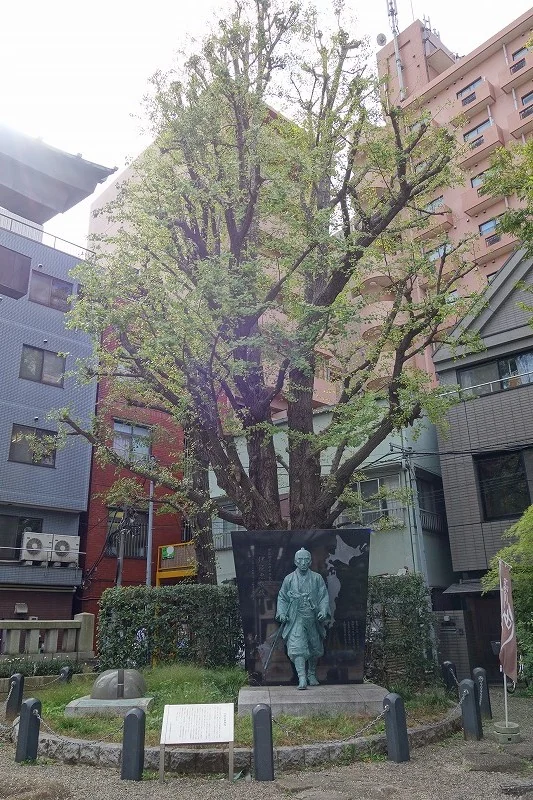
Ino Tadataka bronze statue
Tadataka Ino, the father of Japanese surveying, lived in Kuroe-cho, Fukagawa (present-day Monzen-naka-cho) after the age of 50, where he studied astronomy, calendrology, etc.
Later, in Kansei 12 (1800), he embarked on a nationwide surveying trip, visiting the shrine, which was his guardian deity, before departing.
For this reason, in October 2001, a bronze statue depicting the departing figure was erected next to the Otorii gate of the shrine, which has a deep connection with the shrine.
Main annual events
New Year
The Shirahane Arrow for Good Luck originates from our shrine, which has its origins in the founding of Tomioka Hachimangu, and is widely known around the world as the “arrow that brings good luck and arrow that brings bad luck.”
New Year's prayers for family safety, warding off evil spirits, company safety, etc. will be offered.
February Setsubun
Setsubun Festival bean-throwing ceremony/lottery
February 8th
Kurishima Shrine Needle Presentation Festival
June 17th
Nanato Shrine Annual Festival
June 30th
Great purification ceremony (passing through the ring of buds)
July 1st
Fuji Sengen Shrine Annual Festival, Orochimori Award
August 15th
Annual festival
November
Shichigosan Pilgrimage (service during November)
November Tori no Ichi
Tori no Ichi
December 31st
Great purification ceremony
Notes from the visit
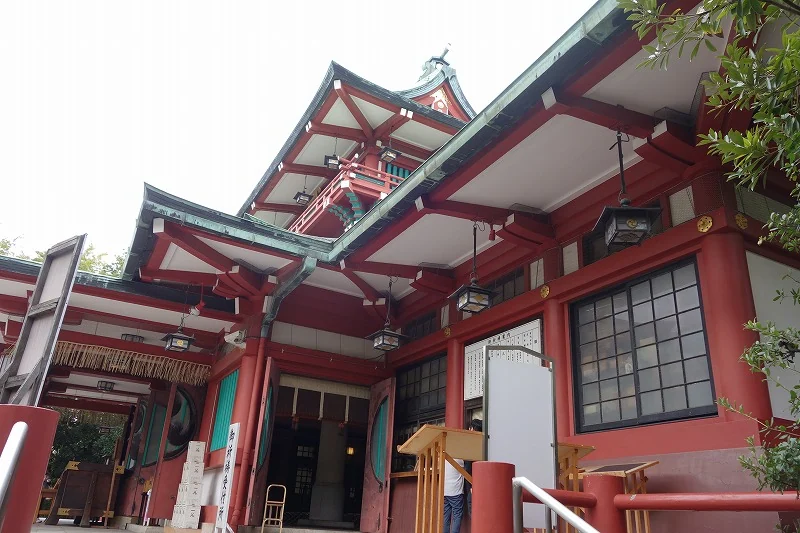
Goshuin was obtained at the prayer reception on the right hand side as you face the main shrine.
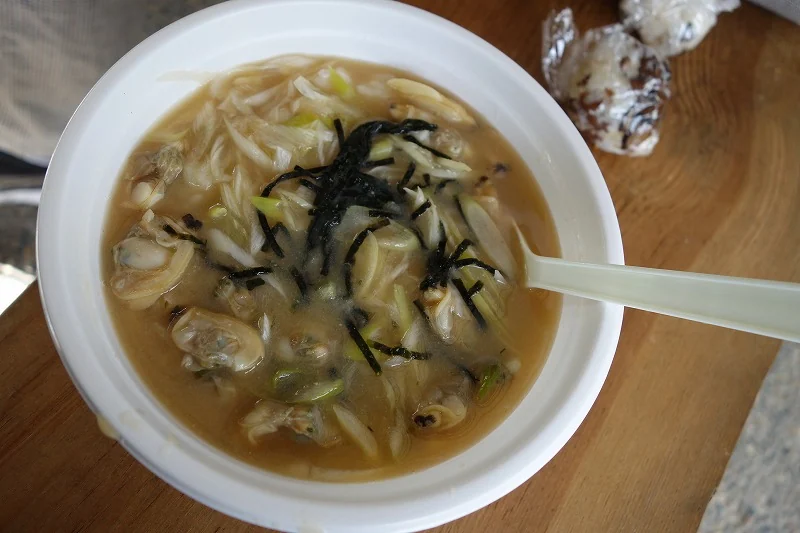
Possibly a sign that it was widely worshiped by the common people, there was a restaurant that served “Fukagawa Meshi”, which was said to be the food of the common people of Edo, just inside the Otorii gate.
When I visited the shrine, an event was being held to support the reconstruction of Tohoku, and I had a stall at one of them, so I received it.
Like the original bukkake rice, a bowl of rice with lots of clams and miso soup came out right away. It was refreshing and delicious.
Sources and scope of verification
- Welcome to Tomioka Hachimangu: 1-20-3 Tomioka, Koto-ku, Inquiry, Parking number limited due to construction of the 400th anniversary of the shrine.
- Transportation information: Walking time by route from Monzennakacho Station, 15 minutes walk from Etchujima Station.
Official sources were checked on 2026-11-07. Goshuin reception/offering/awarding method/Due to construction, the current traffic range and number of available parking spaces cannot be confirmed at this time. Designs, prices and arrangements shown in earlier photographs may have changed.
Goshuin and travel information has been checked against official and other cited sources, with unconfirmed points identified. Earlier photographs and personal experiences remain records of their original visits. Check the stated dates for limited designs.