Guide researched from official sources; not a firsthand visit
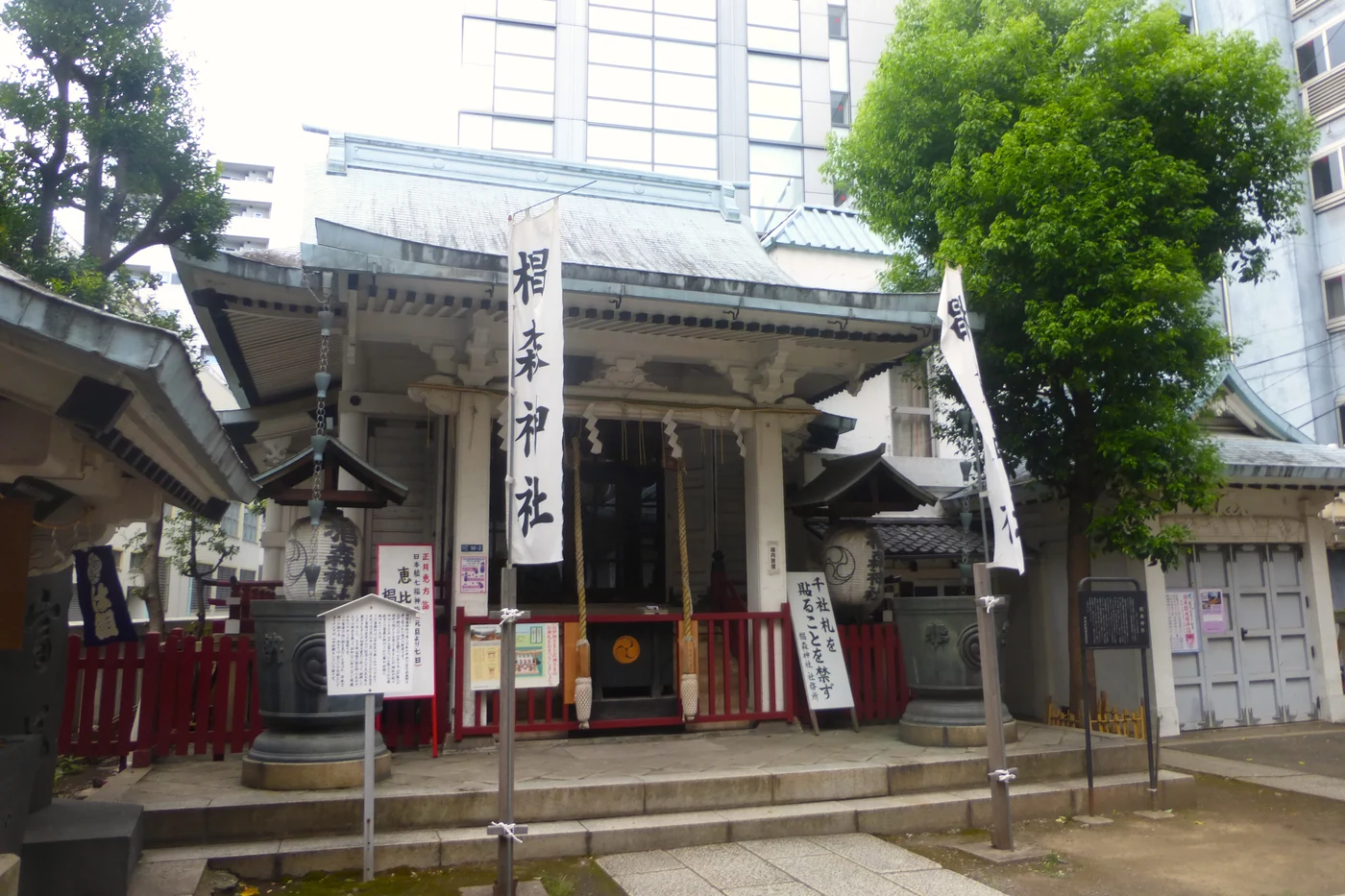
Suginomori Shrine in Nihonbashi Horidomecho enshrines Ebisu as part of the Nihonbashi Seven Lucky Gods pilgrimage. It is within walking reach of Kodemmacho and Ningyocho stations and is a possible starting point. Goshuin staff may be absent irregularly, so published hours do not guarantee reception.
Goshuin hours and writing into a book
- Official reception notice
- The shrine lists reception for goshuin and related items as 9:30–17:00, with irregular staff absences. Availability throughout those hours is not guaranteed.
- Method
- The notice says writing into books is generally on weekdays and also mentions prepared goshuin paper. If you want writing in your book, plan around a weekday and confirm the day's arrangements. This does not establish that all goshuin are unavailable on weekends.
- Offering
- We could not confirm the shrine's ordinary offerings for each type from its official information. The pilgrimage page's ¥500 notice accompanies New Year 2026 guidance. Check the specific design and current reception notice.
- Goshuin photograph
- A usable photograph of this shrine's goshuin is still awaited. We are publishing the shrine photograph and researched guide first.
Ebisu and the Tomizuka monument
The official list of deities includes the five Inari deities, among them Ukanomitama-no-Okami, and Ebisu. The shrine represents Ebisu in the Nihonbashi Seven Lucky Gods pilgrimage.
Suginomori is associated with Edo's three Mori shrines, alongside Karasumori and Yanagimori. The Tomizuka monument recalls Edo-period lottery activity. The local tourism association also describes the shrine buildings as designated cultural property. These are researched descriptions, not impressions from a recent visit.
Access from Kodemmacho and Ningyocho
Address: 1-10-2 Nihonbashi Horidomecho, Chuo-ku, Tokyo. The official directions give five minutes south from Kodemmacho Station Exit 3, eight minutes east from Mitsukoshimae, and ten minutes west from Bakuroyokoyama Exit A3. Ningyocho Exit A5 is another approach. Check the station exit and shrine entrance on the map.
Including the shrine in your pilgrimage
Our model walk starts here, then visits Koami, Chanoki, Suitengu, Matsushima, Suehiro and Kasama Inari's Tokyo branch. This is an editorial suggestion, not an exclusive official order. Worship is the basis of the walk; check each shrine separately if you wish to receive goshuin.
Official sources checked
- Suginomori Shrine's official website: deities, reception, absences, methods, address and access.
- Chuo City Tourism Association: location, cultural property and Tomizuka.
- Official pilgrimage website: members and New Year 2026 notice.
Official information checked November 8, 2026. This is a desk-researched guide; this complete route has not been field-tested. Historical photographs do not establish current reception conditions.