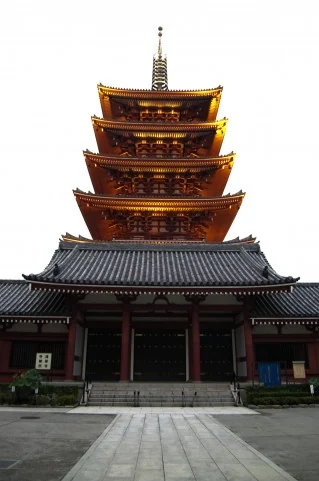
Shrine and temple histories often describe traditions linking kami and Buddhist deities, or temples once associated with shrines. Shinto–Buddhist syncretism helps explain these connections. Museum sources offer a way to explore a past that today's separate categories do not fully capture.
What you need to know first
- Shinto–Buddhist syncretism
- Shinto–Buddhist syncretism describes the historical interaction of Japanese kami worship and Buddhism, including shared rituals, religious sites and ways of understanding kami and Buddhist deities.
- honji suijaku
- Honji suijaku is the idea that Buddhist deities are the original forms and kami their manifestations, appearing to guide people. It is one of the teachings that developed through Shinto–Buddhist syncretism.
- Separation of Buddhism and Shintoism
- A policy separating kami worship and Buddhism was promoted from the first year of Meiji. The much longer history of interaction did not simply disappear at that point.
- How to read history
- Compare the former names of shrines and temples in historical accounts with the names and visiting practices used today.
How to read the relationship between shrines, pagodas, and temples and gods
An exhibition explanation from the National Museum of Japanese History shows how historical plans of shrine and temple grounds reveal buildings from the era of Shinto–Buddhist syncretism and structures left after separation. Old plans may depict a landscape quite different from today's division into shrines and temples.
A torii gate or pagoda alone cannot establish a site's history or present religious status. Check the building names and former names recorded in each shrine or temple's history.
Honji suijaku is one of the ways of thinking that explains the relationship between kami and Buddhist deities
The Nara National Museum's explanation of the Sannogu Mandala identifies relationships between enshrined kami and their corresponding Buddhist deities, illustrating honji suijaku. Such images offer another way to learn about the history of religious belief.
These relationships were not identical in every region or period. Read each as a particular historical tradition, rather than automatically applying it to present-day beliefs.
Separation of Shinto and Buddhism during the Meiji period and guide to worshiping today
Materials from the National Museum of Japanese History include records abolishing the name Hachiman Daibosatsu in Meiji 1 (1868), during the separation of Shinto and Buddhism. These records help explain changes in names, buildings and the enshrinement of kami and Buddhist deities.
Accounts of goshuin's origins include connections with offerings of copied sutras. Understanding historical links is separate from determining how a goshuin is issued today. Follow each shrine or temple's current instructions on visiting, handling goshuin books and requesting inscriptions.
Goshuin/Visit record seen in previous photos
Photographs from the original article are retained. Any prices, dates, designs and views of the grounds in them belong to the time they were taken, rather than representing current conditions.
Source and scope of confirmation
- Nara National Museum | Sannogu Mandala: Confirm the relationship between Honji Buddha and the enshrined deity/honji suijaku theory in the official explanation of the search results. Direct viewing of the text is not possible
- National Museum of History and Folklore | What can you understand? Map of shrine and temple grounds: Check the layout of the Shinto–Buddhist syncretism era and the viewpoint of the pagoda in the official exhibition explanation of the search results. Direct viewing of the text is not possible
- National Museum of History and Folklore khirin|Dajokan Sign: Meiji 1 (1868)Introduction of records showing the abolition of the name Yawata Daibodhisattva due to the separation of Shinto and Buddhism in April
- Association of Shinto Shrines|About goshuin: Dedication of scriptures to shrines and temples and explanation of the origin of goshuin
Sources checked: 2026-11-07. Read historical and mythological accounts as traditions or explanations provided by the cited organisations. Practical arrangements apply to the individual shrine or temple described.
This article has been revised using official sources, relevant organisations and museum materials. Photographs are records of earlier visits. Check each shrine or temple's latest practical information before travelling.