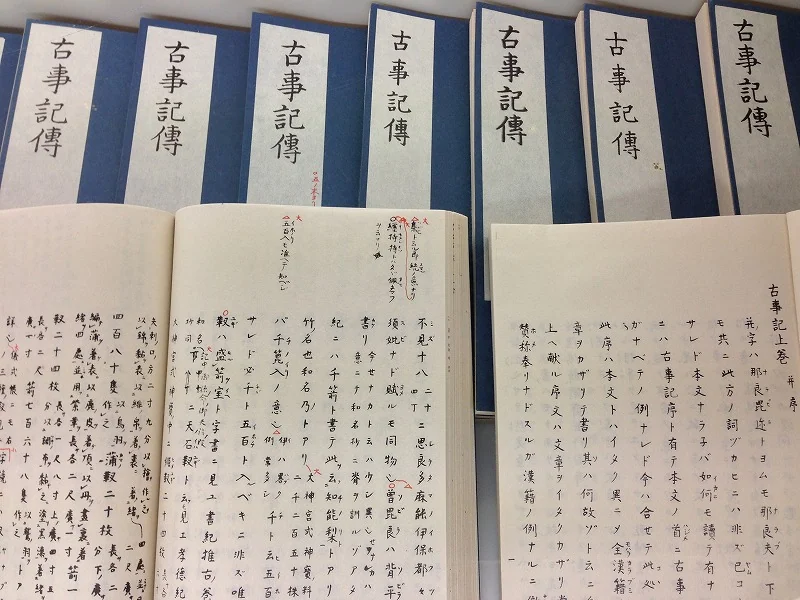
Looking up the deity enshrined at a place where you received a goshuin may lead you to names such as Amaterasu Omikami and Susanoo-no-Mikoto. Using mythology presented by the Association of Shinto Shrines, this guide introduces names and relationships that help explain shrine traditions. Mythology should be read separately from documented historical events.
What you need to know first
- Reading
- The myths of Kojiki and Nihon Shoki have common stories and different accounts. Don't base everything on one genealogy.
- How to count God
- In Japanese, the counter hashira is used for kami. Thus “three hashira” means three deities, rather than three physical pillars.
- Enshrined deity name and goshuin
- The name of the enshrined deity is not always written in goshuin. Also check the shrine name, history, and explanation of the temple grounds.
- Difference in notation
- Different kanji and honorific titles are used for the same god. Please give priority to the official notation of each shrine.
Amaterasu Omikami · Tsukuyomi Mikoto · Susanoo-no-Mikoto
In the Association of Shinto Shrines' account, Izanagi's purification gives birth to Amaterasu from his left eye, Tsukuyomi from his right eye and Takehaya Susanoo from his nose. Knowing these three figures helps explain relationships described in shrine histories.
This is an explanation in a mythological story. It is not treated the same as a birth record or historical genealogy of a real person. When reading the history, please be aware of which document and which shrine is being explained.
Okuninushi-kami and the transfer of the country, Takeminakata-kami and Suwa
In the story of the transfer of the country, Okuninushi-kami, his children Kotoshironushi-kami and Takeminakata-kami appear. The explanation for Association of Shinto Shrines introduces the move of Takeminakata no Kami to Suwa in Shinano and its relationship with Suwa's faith.
Even in the same country, the combination of gods that appear may be different between the Kojiki-based explanation and the Nihon Shoki-based explanation. Even when you see names such as Tsunetsu no Nushikami, it is important not to forcefully combine separate stories into a single story.
When visiting a place of worship, check the enshrined deity and shrine name together.
Even shrines with the same name do not necessarily have the same deity or history. Check local history books, official shrine websites, and guides from priests to see how myths and local lore are connected.
Do not infer an enshrined deity or promised blessing from a goshuin's lettering alone. Keeping notes about the place you visited makes the record richer. Enjoy it as an introduction to local traditions, rather than a guarantee that wishes will be fulfilled.
Goshuin/Visit record seen in previous photos
Photographs from the original article are retained. Any prices, dates, designs and views of the grounds in them belong to the time they were taken, rather than representing current conditions.
Source and scope of confirmation
- Association of Shinto Shrines|Birth of Amaterasu Omikami: Purification of Izanagi life and the three pillars of gods, how to count them as pillars
- Association of Shinto Shrines | Transfer of country: Okuninushi-kami, Koto-shironushi-kami, Takeminakata-kami, relationship with Suwa, differences in descriptions in Kojiki and Nihon Shoki
Sources checked: 2026-11-07. Read historical and mythological accounts as traditions or explanations provided by the cited organisations. Practical arrangements apply to the individual shrine or temple described.
This article has been revised using official sources, relevant organisations and museum materials. Photographs are records of earlier visits. Check each shrine or temple's latest practical information before travelling.