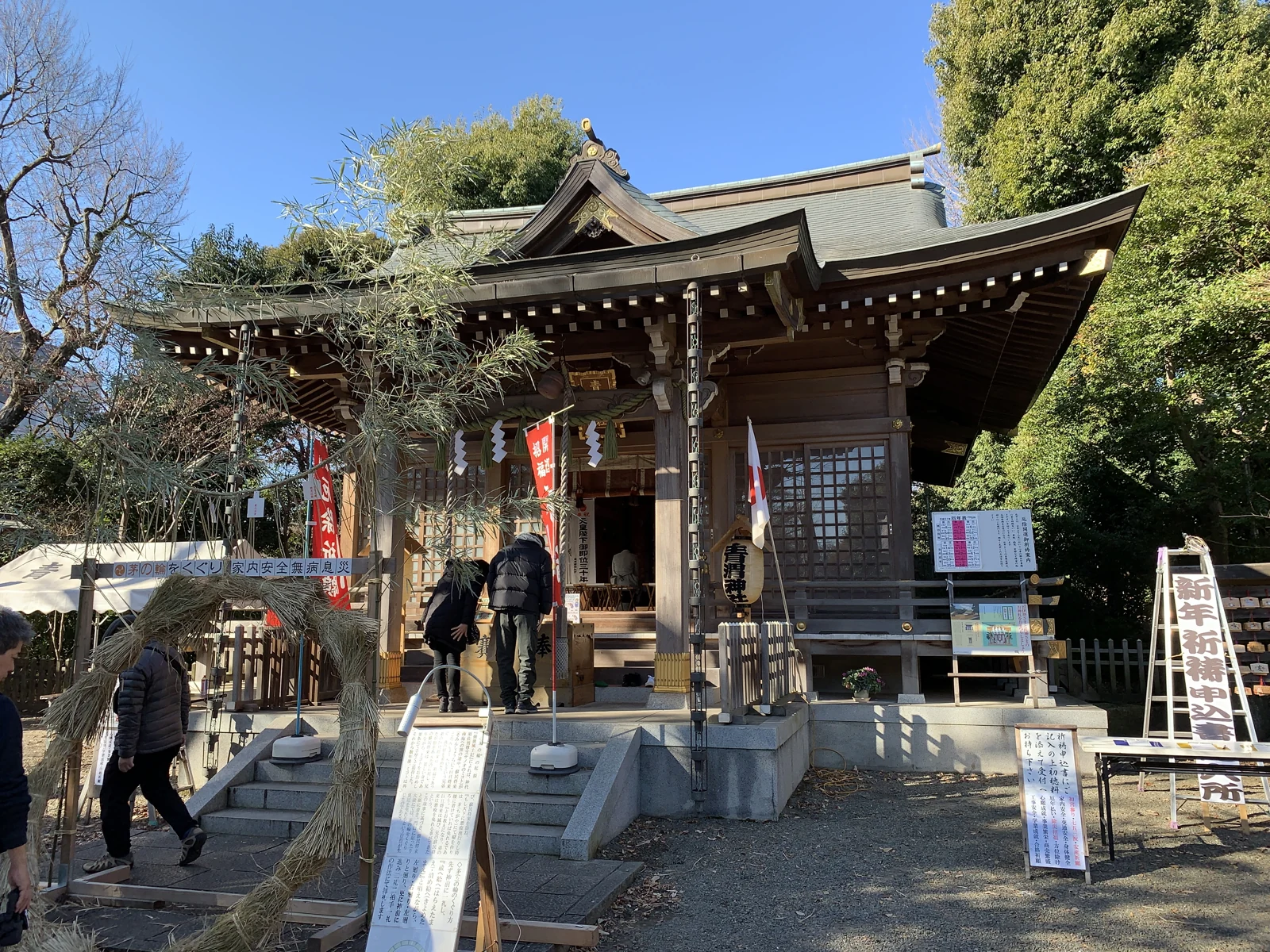
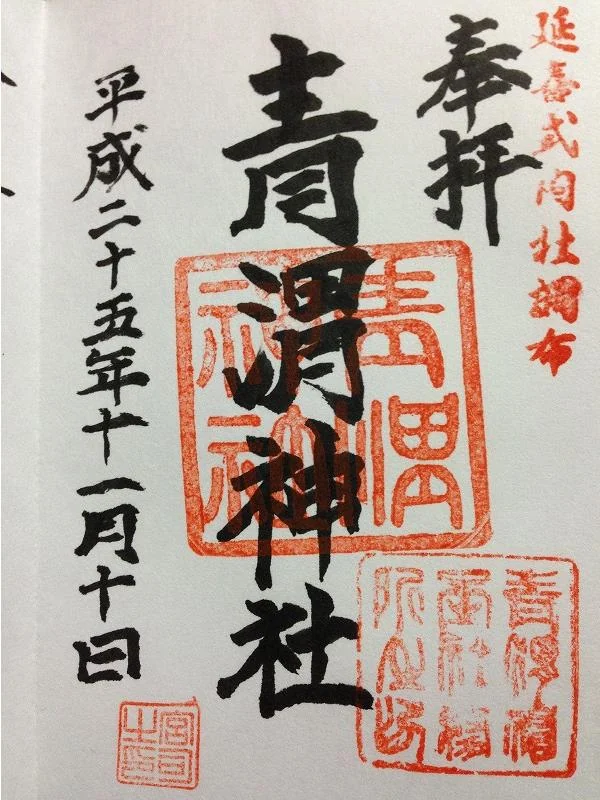
This article features Aoi Shrine in Jindaiji Motomachi, Chofu. Its earlier goshuin bears the stamp “Bushu Chofu.” Discover its tradition of water-deity worship and the large zelkova beside the torii gate, together with practical visiting information.
Goshuin/Visit confirmation items for Aoi Shrine
- Target shrine
- This is Aoi Shrine, 5-17-10 Jindaiji Motomachi, Chofu City. It is different from the shrines of the same name in Ome City and Inagi City.
- Conditions for goshuin
- Dedicated goshuin hours, offerings and inscription arrangements could not be verified. The shrine office's general hours of 9:00–17:00 are not presented as confirmed goshuin hours.
- Sacred tree
- The official website describes a zelkova estimated to be 600–700 years old, designated a natural monument by Chofu City.
- Parking
- Officials request that you contact the shrine office before using a parking space.
Goshuin's "Bushu Chofu" and the location of the shrine
Several places in Tokyo have a shrine named Aoi Shrine. When checking goshuin or maps, confirm “Chofu” and “Jindaiji Motomachi” as well as the name. The photographs here record my visit to the Chofu shrine.
The photographs show the calligraphy and red seals received on that earlier visit, rather than samples of today's inscription arrangements or offerings. Ask in advance if you wish to have a goshuin written in your book.
Water worship and the large zelkova tree next to the torii gate
The official history connects this water-deity shrine with former ponds and springs. It also explains the water-related characters in its name. These traditions make more sense when considered alongside the waterside landscape around Jindaiji.
The sacred zelkova tree is a natural monument of the city. Take some time to look at the trees and the information on the grounds, and when taking photos, be sure to do so from a location that won't damage the base or access areas. The history and matchmaking stories are introduced as beliefs and folklore.
Access and location map
The official website provides information on buses from Chofu Station North Exit, JR Kichijoji Station/Mitaka Station South Exit, etc. Please check the stops and operating times for the route you will be using. If you are driving a car, please contact the shrine office before using the parking space. For inquiries, please call 042-482-5710, and general reception hours are 9:00 to 17:00.
Location: 5-17-10 Jindaiji Motomachi, Chofu City, Tokyo.
Open Aoi Shrine on Google Maps/Check route
Previous visit records and photos (posted in 2014)
The following account preserves the original visit experience and historical introduction. The photographs and encounters at the counter date from that publication; they do not describe a new visit. Old access instructions have been replaced by the checked information above. Historical accounts and spiritual benefits are presented as traditions and beliefs.
Just northeast of Jindaiji's approach, this shrine serves as the local guardian shrine for the Jindaiji area. Its large sacred zelkova is particularly impressive.
Aoi Shrine
Both characters in the name Aoi have associations with water, reflecting the tradition that this is an ancient water-deity shrine.
A priest told me that a great snake once living in the large pond in front of the shrine was enshrined here. The pond can no longer be seen today.
Auspicious origin
The date of its founding is unknown, but it is said to have originated between 3,000 and 4,000 years ago, when indigenous peoples worshiped water, which was indispensable to their lives.
Enshrined deities
Aoi Okami
Mizuhanome no Okami
Aonuma Oshihime no Mikoto
Notes from the visit
A large spring-fed pond once lay within the extensive grounds. It is said never to have dried up, even in drought, and its blue ripples gave the shrine the name Aoi Tenjinsha.
Sources and scope of verification
- Aoi Shrine|Jindaiji Soja Shrine in Chofu - Just another WordPress site: Location, history of the water god, sacred tree, general reception 9:00-17:00, transportation/parking information in advance
- Aoi Shrine | Chofu Tourism Navi [Chofu City Tourism Association Official Website]: Location and introduction of the large zelkova by the Chofu City Tourism Association
The official information above was checked on 2026-11-07. Dedicated goshuin hours, offerings, inscription arrangements and buses on the day of travel remain unconfirmed. Designs, prices and arrangements shown in earlier photographs may have changed.
Goshuin and travel information has been checked against official and other cited sources, with unconfirmed points identified. Earlier photographs and personal experiences remain records of their original visits. Check the stated dates for limited designs.