Katori Jingu is the Ichinomiya shrine of Shimousa Province, located in Katori City, Chiba Prefecture. Not only goshuin of the shrine building, but also goshuin related to the inner shrine and keystone are introduced. I checked the current reception and traffic while following photos of past visits to the shrine.
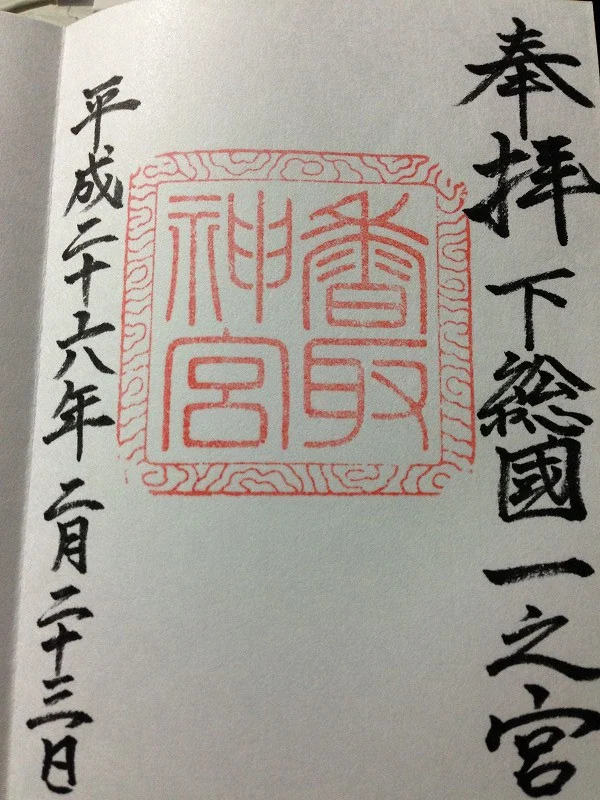
Goshuin/Visit confirmation items for Katori Jingu
- Normal goshuin reception
- Jingu official regular information hours are from 8:30 to 17:00. Please note that prayers are accepted until 4:30 p.m.
- Type of goshuin
- Chiba Prefecture's official tourism website introduces “Katori Jingu”, “Okumiya”, “Kanameishi”, and goshuin according to seasons and events.
- Okumiya Award Hall
- Chiba Prefecture's official tourism website states that it is open from 9:00 to 17:00. Please give priority to announcements from the local shrine regarding the opening and writing goshuin on the day of the event.
- Contact
- Shrine enquiries: 0478-57-3211. Offerings and the availability of direct inscriptions for individual goshuin on the day remain unconfirmed.
Take time to visit not only the main shrine but also the inner shrine and keystone.
If you wish to receive goshuin at Okumiya or Kanameishi, please allow enough travel time to visit each of them in addition to the time to pick them up at the awarding place. If you look at the map of the shrine grounds and check the location of the worship locations and counters, it will be easier to assemble the order even for first-timers.
The goshuin shown here was received in 2014. Because the seasons and festival information change, we do not treat this as a sample of the current limited design. Please also check the official announcement for same-day availability of your desired goshuin.
If you walk from Katori Station, check the return train as well.
It is important not to think that just because the station name is “Katori” is that it is close to the shrine. The shrine's official guide says it's about a 30-minute walk, so you'll need time to travel there and back in addition to walking around the grounds.
From Sawara Station, there are bus and taxi options. Buses do not operate on the same days, so be sure to check not only the arrival time but also the return bus, and plan to enjoy taking pictures of the shrine grounds and visiting the shrine without rushing.
Access and location map
Jingu official website provides information about 10 minutes by taxi or bus from JR Sawara Station. It is about a 30 minute walk or about 2 km from JR Katori Station. Bus schedules and bus stops may differ between weekdays and weekends and holidays, so please check in advance for both round trips. By car, it is about 1.5 km from Sawara Katori IC.
Location: 1697-1 Katori, Katori City, Chiba Prefecture.
Open Katori Jingu on Google Maps/Check route
Previous visit records and photos (posted in 2014)
The following account preserves the original visit experience and historical introduction. The photographs and encounters at the counter date from that publication; they do not describe a new visit. Old access instructions have been replaced by the checked information above. Historical accounts and spiritual benefits are presented as traditions and beliefs.
Surrounded by a forest with many old cedar trees, it is one of the best power spots in the southern part of the prefecture, along with Kashima Shrine in Ibaraki.
Famous as the god of negotiations, it is widely believed to improve luck in work, improve human relationships, promote national security, and promote sports.
Katori Jingu
Enshrined deities
Futsunushi no Okami
(Name: Ihahinushi no Mikoto)
History and traditions
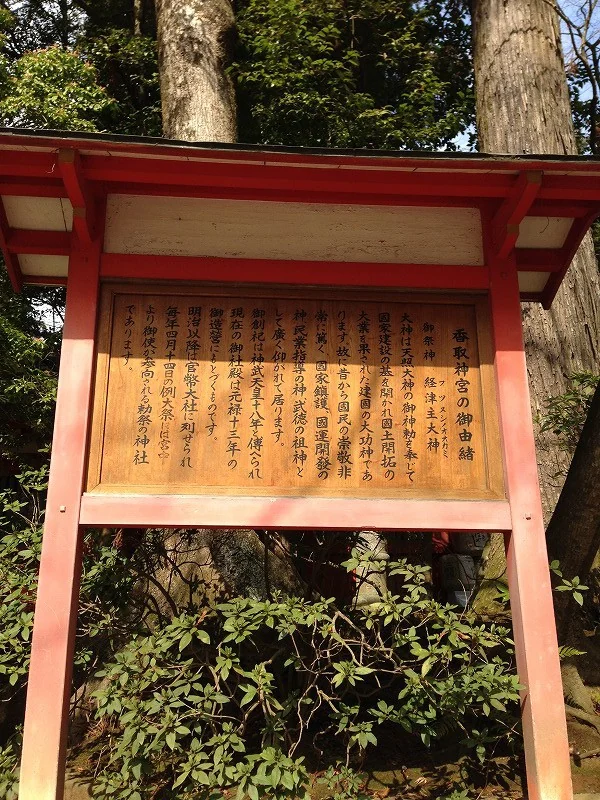
In this myth, Amaterasu, enshrined at Ise Jingu's Naiku, sought to govern the land, but unruly deities were fighting.
After consulting the myriad kami, she sent Ame-no-Hohi. He instead sided with Okuninushi in Izumo, so Ame-no-Wakahiko was sent next. He married Shitateruhime, daughter of Utsushikunitama, and sought to rule for himself, but died.
After these two failures, the kami agreed that Futsunushi was the appropriate envoy. Takemikazuchi, enshrined at Kashima Jingu, offered to accompany him to Izumo.
At Inasa-no-Ohama, the two thrust their swords into the ground to demonstrate their might. Okuninushi accepted Amaterasu's command and handed over the Kunimuke-no-Hirohoko spear. The two deities pacified the land and returned to report to Amaterasu.(From Katori JinguHP)
Divine virtue
It is worshiped as the god of family safety, agricultural and commercial guidance, protection of the sea, fulfillment of wishes, marriage, and safe childbirth.
He is known as the ancestor of peace and diplomacy due to the successful negotiation of the transfer of the country, and is also famous as the god of victory, traffic safety, and warding off disaster.
It is also said to be beneficial for praying for success in sports.
Tower gate
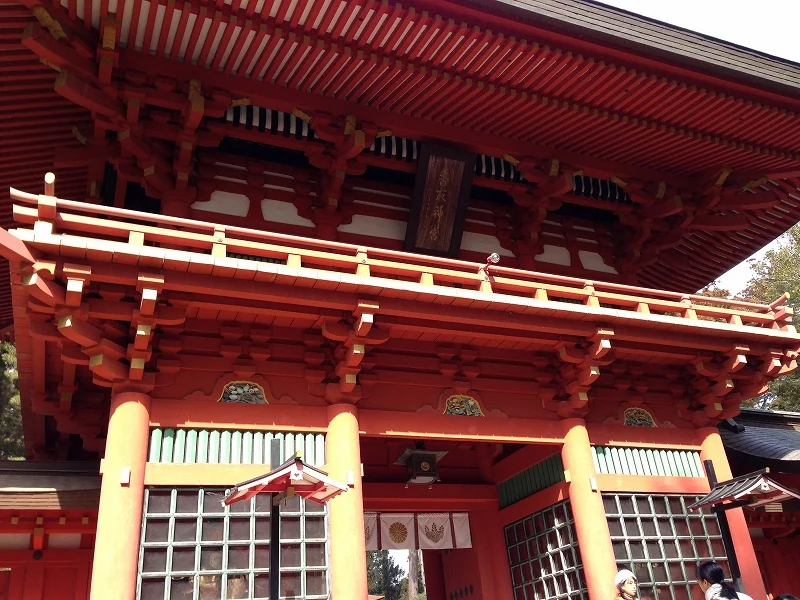
It was built in 1700 by the Tokugawa shogunate and is designated as an important cultural property.
Front The elderly statue on the right was “Takeuchi Sukune”, and the young statue on the left was “Fujiwara Kamatari”, the ministers of the left and right.
Also, the plaque on the tower is said to have been written by “Heihachiro Togo”.
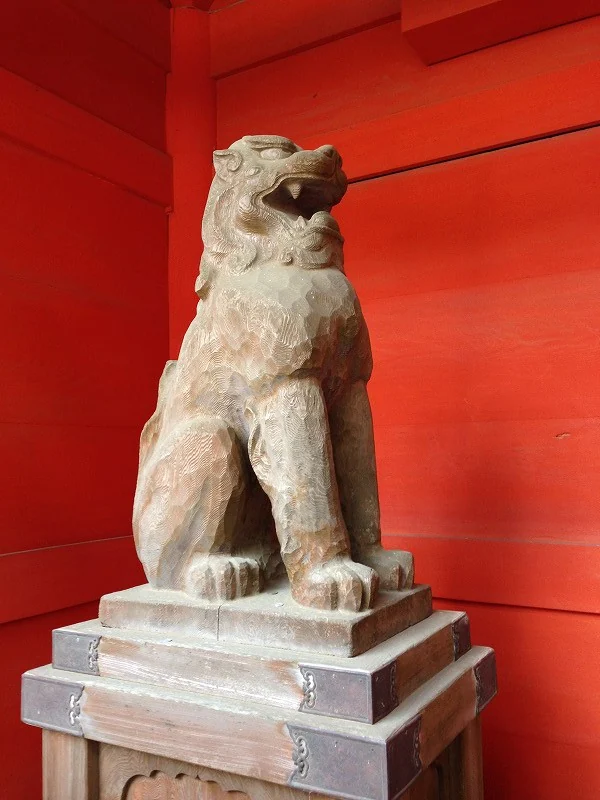
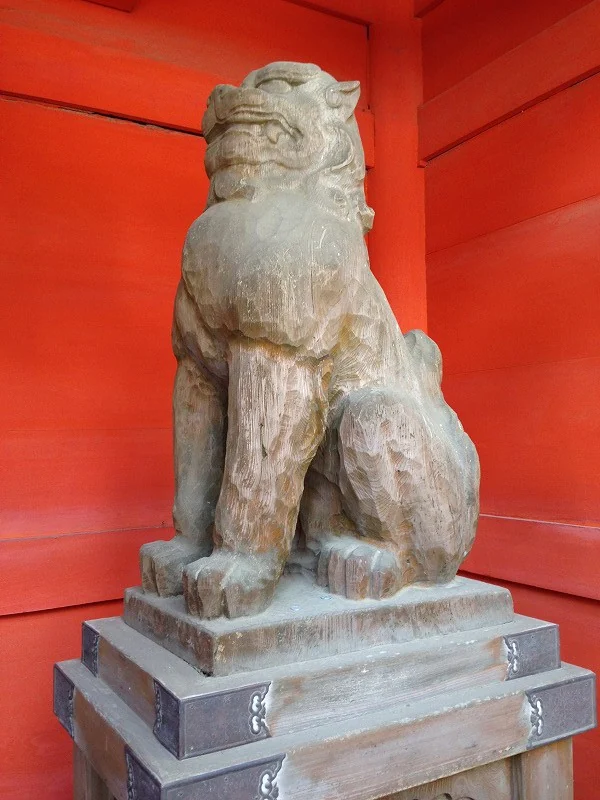
The guardian dog behind the gate is made of wood and looks a little more sturdy than the guardian dogs you often see.
Main shrine
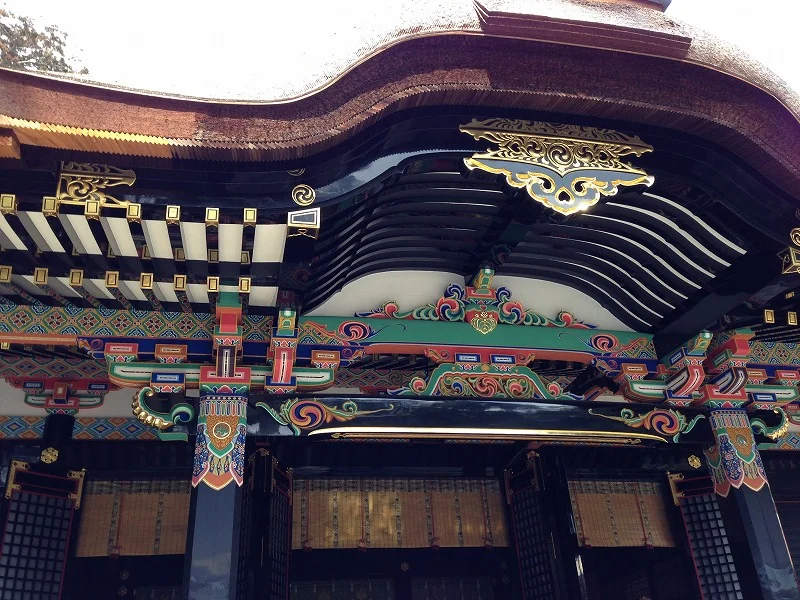
The current main shrine, like the tower gate, was rebuilt by the Tokugawa shogunate, and is designated as an important cultural property.
It was decorated so beautifully that you couldn't feel its age, and it had a unique atmosphere.
It is said that if you walk around the main shrine, you will feel very good.
Sanbonsugi
Okumiya
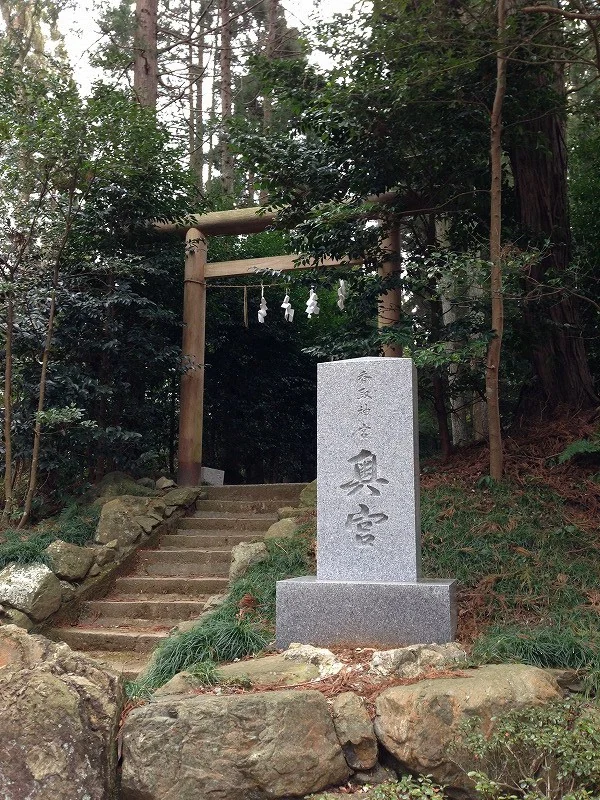
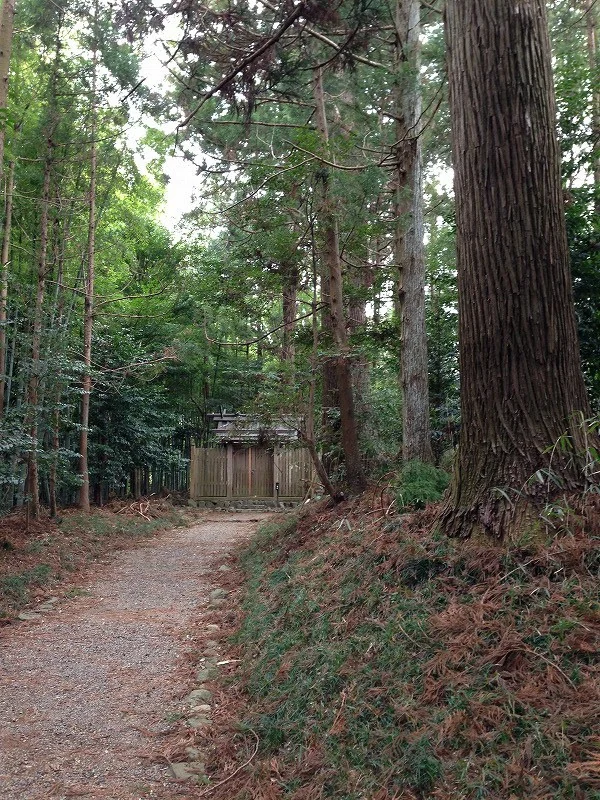
The enshrined deity, Futsunushi-no-Okami, was enshrined here.
Visit Gokoku Shrine from the approach, continue along the mountain path, and once you reach the road, head towards the entrance of the approach.
Surrounded by a dense forest of old cedar and bamboo, it was a place with a dignified atmosphere that made you understand that it is famous as a power spot.
Notes from the visit
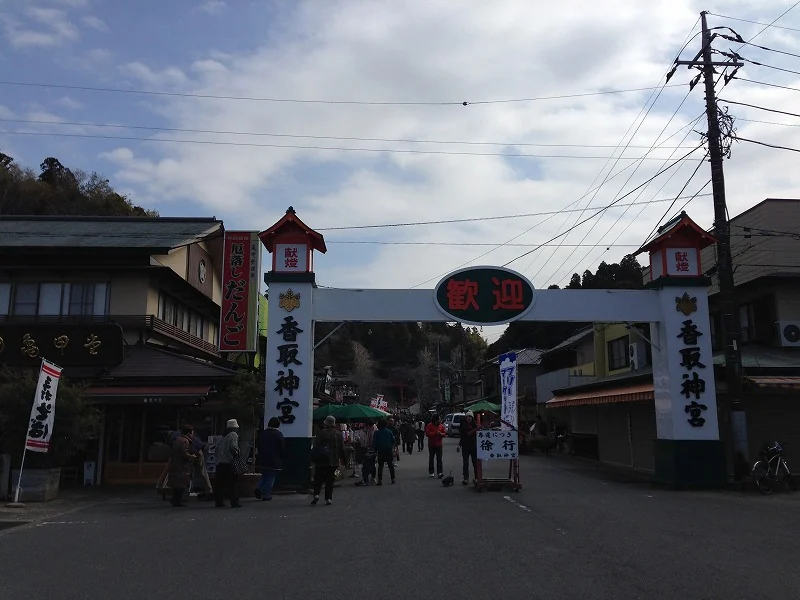
The approach from the free parking lot to the torii gate was lined with souvenir shops and soba shops.
There are also several flea markets lined up in open spaces, which can be said to be one of the pleasures of visiting the shrine.
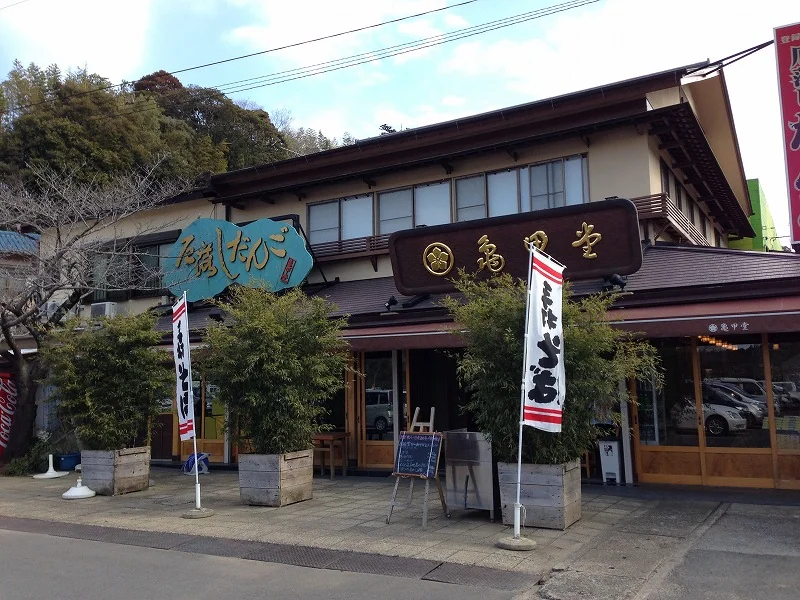
At [Kikkoudou], which is right next to the parking lot, we had freshly baked dumplings to ward off evil spirits right in front of the eaves.
There was mitarashi dango and kusa mochi with red bean paste, but I recommend the warm and soft mitarashi on a cold day.
The signboard bird, the mynah bird, “Kyu-chan?” was very cute and very popular with the worshipers passing by.
Sources and scope of verification
- Awarded item | Katori Jingu: Regular goshuin reception 8:30-17:00, location
- Access | Katori Jingu: Approximately 10 minutes by taxi from Sawara Station, approximately 30 minutes/2km walk from Katori Station, confirmation of bus days of the week
- What kind of place is Katori Jingu? We will also introduce the highlights, goshuin, access information, etc. | Special Feature | Chiba Prefecture Official Tourism Site Chiba Tourism Navi: Introduction to types of goshuin and Okumiya Shojo 9am to 5pm
Official sources were checked on 2026-11-07. Individual goshuin offerings, inscription methods and festival-day counter changes remain unconfirmed. Earlier photographs do not guarantee today's designs, prices or service.
Goshuin and travel information has been checked against official and other cited sources, with unconfirmed points identified. Earlier photographs and personal experiences remain records of their original visits. Check the stated dates for limited designs.