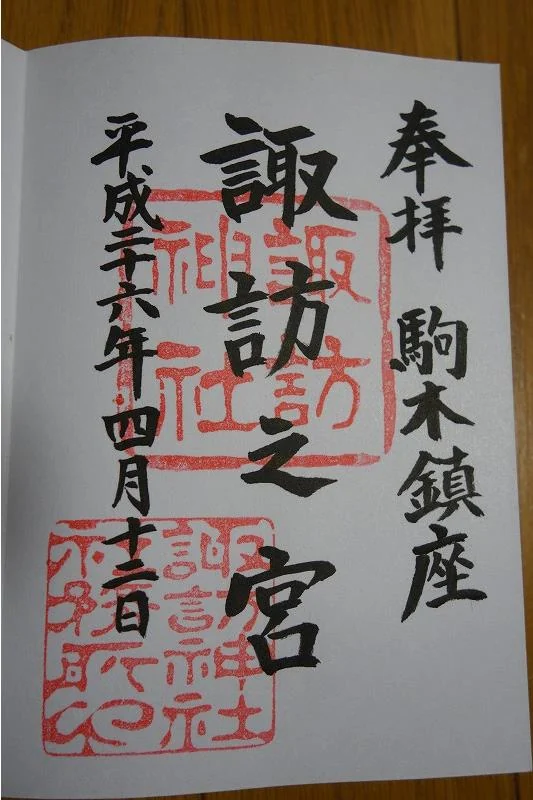
Suwa Shrine in Nagareyama, affectionately known as “Osuwasama of Komaki”. The official FAQ states that goshuin will be awarded from 9:00 to 16:00, and goshuin written on paper will be awarded after 15:00. Along with past goshuin photos, we have compiled information to help you avoid making mistakes about the counter times.
Goshuin/Visit confirmation items for Komagi Suwa Shrine
- Goshuin hours
- The official FAQ lists goshuin service from 9:00 to 16:00. After 15:00, goshuin are supplied on separate sheets.
- Reading time
- It is based on the FAQ that specifies the conditions of goshuin, not the general awarding office hours on the top page.
- How to store
- The official FAQ states that cashless payment is not possible and payment must be made in cash. The amount of goshuin alone is not confirmed at this time.
- Seasonal gate
- The official FAQ gives gate-opening time as 5:30, with closing at 17:30 from April to September and 17:00 from October to March. Goshuin service ends earlier, at 16:00.
For a direct inscription, plan to arrive before 15:00
If you bring a goshuin book, arriving before the 16:00 closing time alone does not guarantee a direct inscription. The official FAQ specifies separate-sheet goshuin after 15:00, so plan an earlier visit if you hope to have your book inscribed.
Even before 15:00, festival schedules and circumstances on the day may affect service. Follow local instructions, confirm the goshuin offering at the counter and bring cash.
Enjoy the Kaji crest of goshuin and the sacred horse in the shrine grounds
The official website describes the shrine's crest as Shinmei-kaji: a paper-mulberry leaf with five roots, modelled on Suwa Taisha's Shimosha crest. Looking at these emblems as well as the shrine-name calligraphy can enrich your understanding of a goshuin.
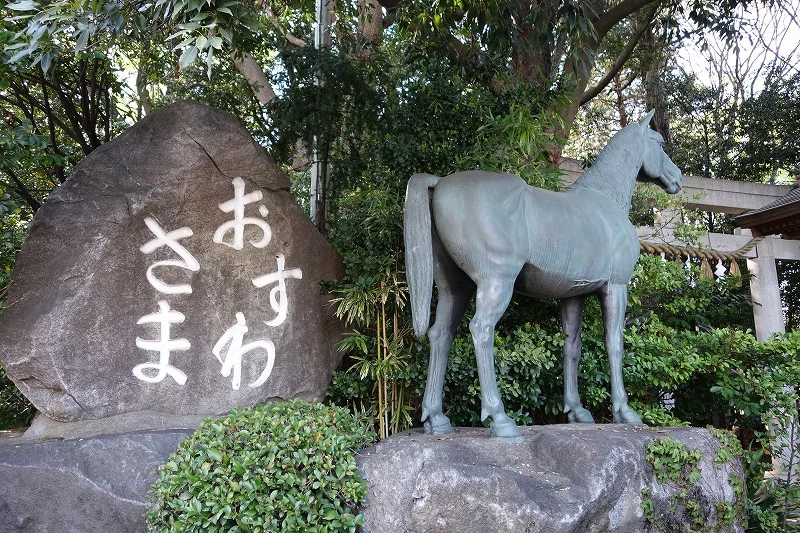
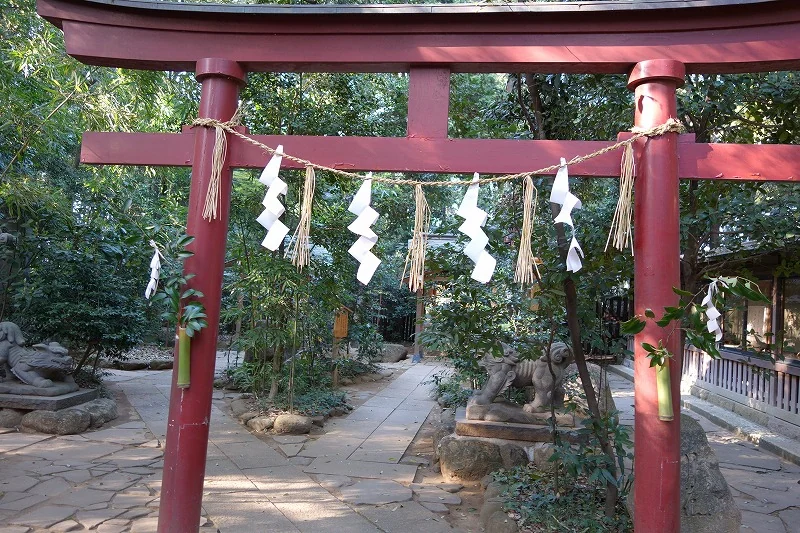
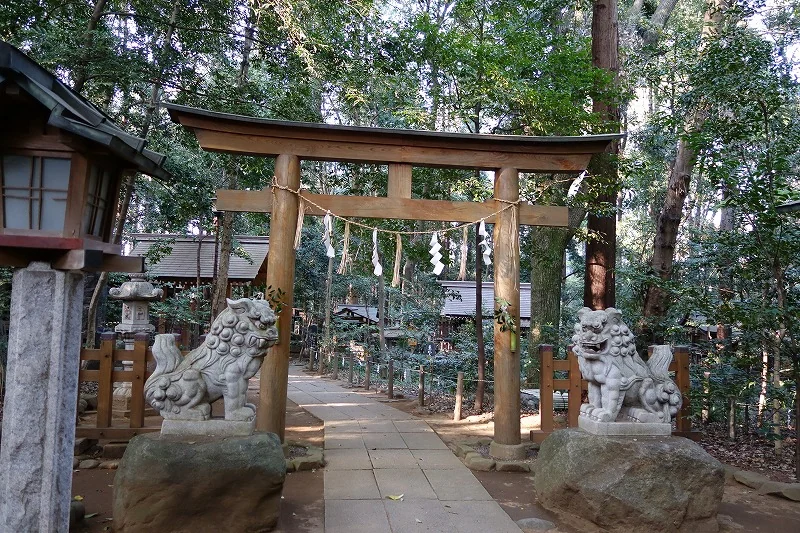
There are sacred horses and monuments with poems in the grounds, which were also photographed in the original article. For information on the history of the shrine and the stories surrounding the statue, please read the official guidebook and records of past visits as a reference for your walk.
Access and location map
According to the official transportation information, it is a 5-minute walk from Toyoshiki Station on the Tobu Urban Park Line and a 15-minute walk from Nagareyama-Otakanomori Station on the Tsukuba Express. Parking information is also provided. Please allow time for both walking around the temple grounds and your desired reception time for goshuin.
Location: 655 Komaki, Nagareyama City, Chiba Prefecture.
Open Komagi Suwa Shrine on Google Maps/Check route
Previous visit records and photos (posted in 2014)
The following account preserves the original visit experience and historical introduction. The photographs and encounters at the counter date from that publication; they do not describe a new visit. Old access instructions have been replaced by the checked information above. Historical accounts and spiritual benefits are presented as traditions and beliefs.
A shrine located between Nagareyama City and Kashiwa City, affectionately known as "Osuwasama."
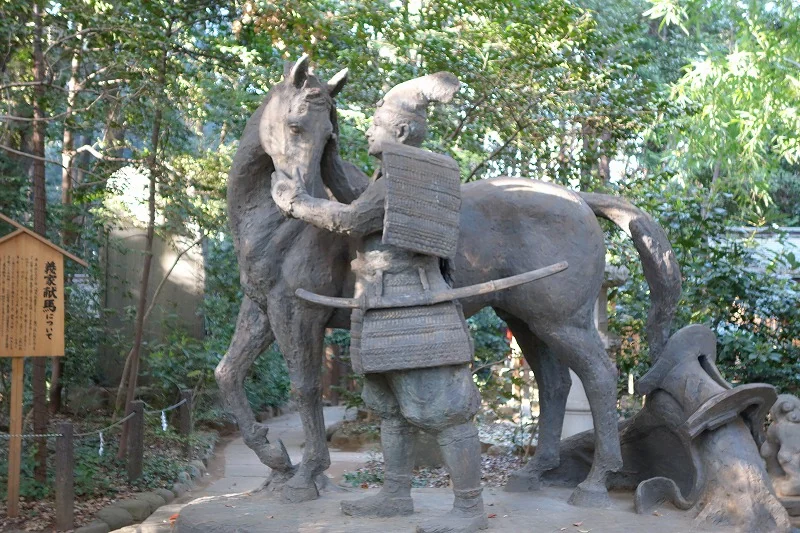
There are many bronze statues on display within the grounds, including the statue of Yoshiie Minamoto and a guardian dog.
History and traditions
It received a shrine plaque from Suwa Taisha Shrine in Shinano Province in the Heian period (804) and has been enshrined here for about 1200 years.
From Omiwa Shrine, which enshrines the god Okuninushi, Suwa Taisha Shrine, which enshrines his child Takeminakata Tomioki, was introduced, and the group visited Suwa Taisha Shrine on their overland route to pray for protection for development, and it is thought that this led to the establishment of the shrine here, where they placed a shrine plaque.
Enshrined deity: Takeminakata Tomomikoto
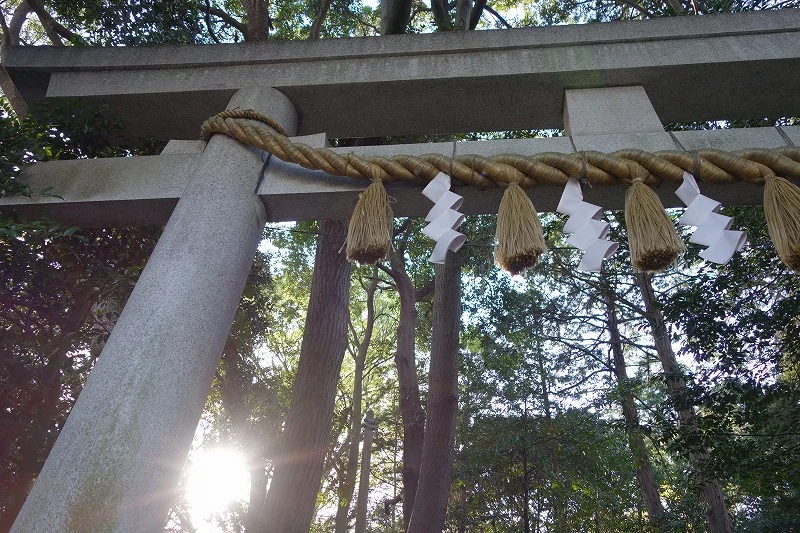
The son of Okuninushi no Mikoto, and in the myth of protecting the country, this god is said to have fled to Suwa Province in a power contest with Takemika Raijin of Yamato Province.
The character ken conveys a worthy or respected person and the qualities of health, vigour and strength. Expressions in the I Ching are cited to explain the deity's protection of health.
The name's associations with water and a lagoon recall Lake Suwa and the water essential to daily life.
The character tomi, meaning abundance, contains the roof radical representing a house. References to the Book of Rites and the Great Learning connect it with the provisions needed for life, expressing a blessing for prosperity.(Excerpt from Komagi Suwa ShrineHP)
Divine water
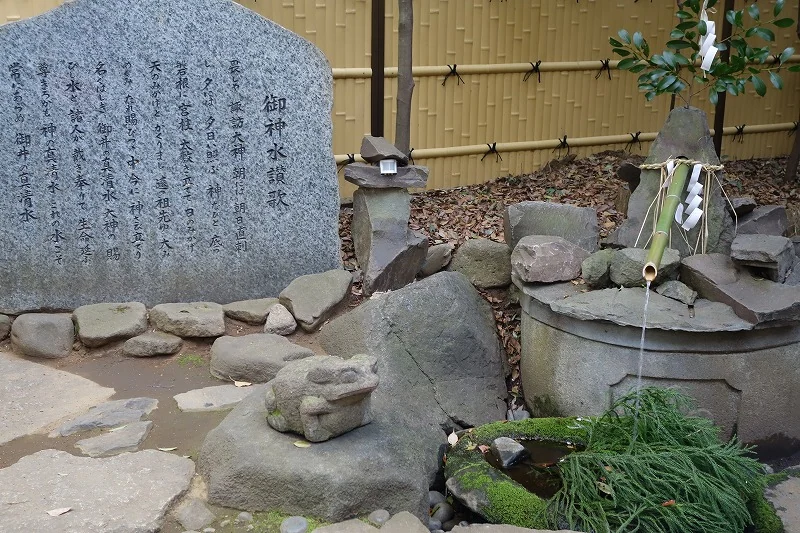
The deity's name is interpreted as referring to water and a lagoon, associated with providing the water essential to life. The shrine's water was abundant and clear.
A gourd-shaped container for taking home sacred water was available for ¥300 in front of the shrine office.
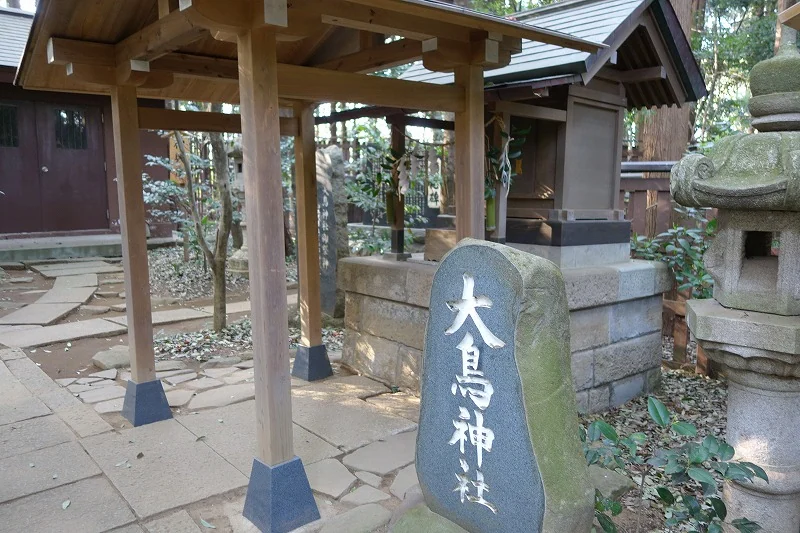
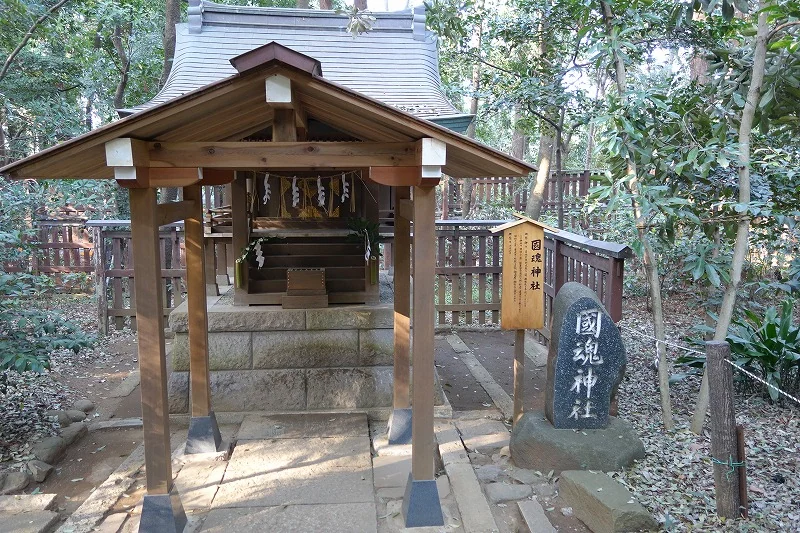
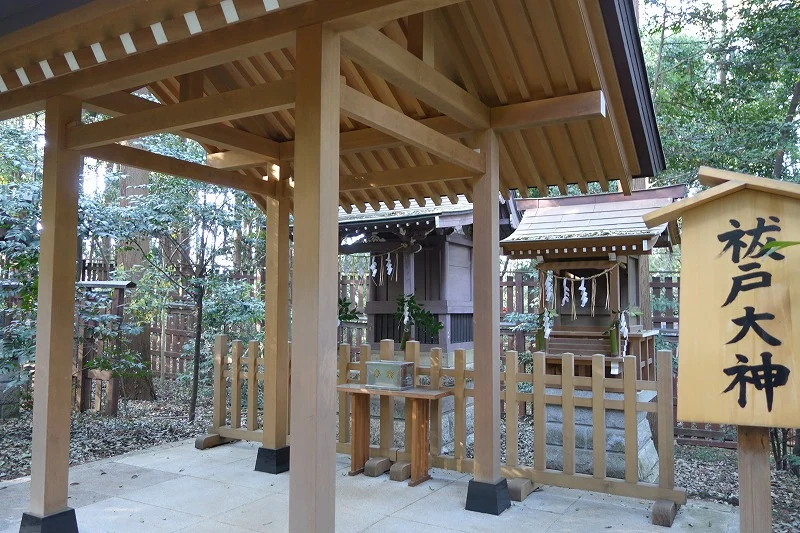
Main shrine and Himemiya Shrine
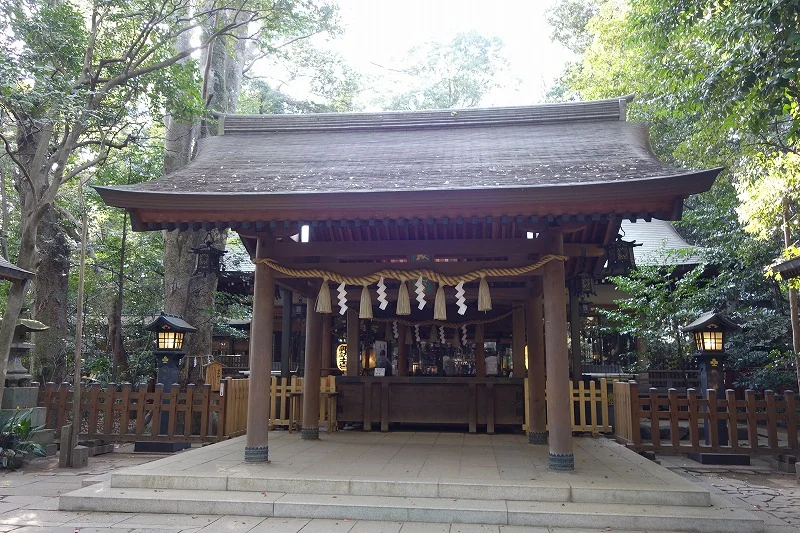
The main shrine building dates from the Edo period. A fire in 1749 destroyed the earlier building and treasures. A surviving mandala and waniguchi metal gong were entrusted to the associated Buddhist temple, and the shrine was rebuilt.
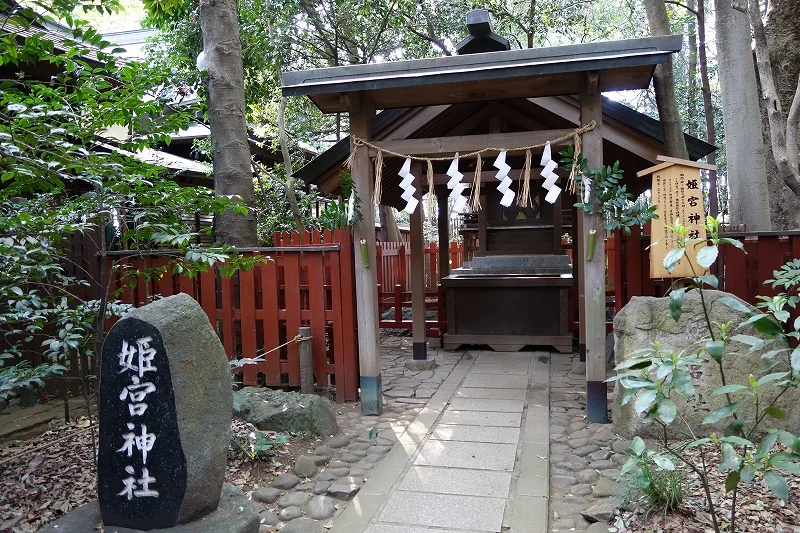
Standing alongside the main shrine is Himemiya Shrine, a sessha where the Himekami is enshrined, and in many places they are enshrined together with the main shrine, but Suwa Shrine, like Suwa Taisha in Shinshu, seems to enshrine Himegami in its own shrine.
Notes from the visit
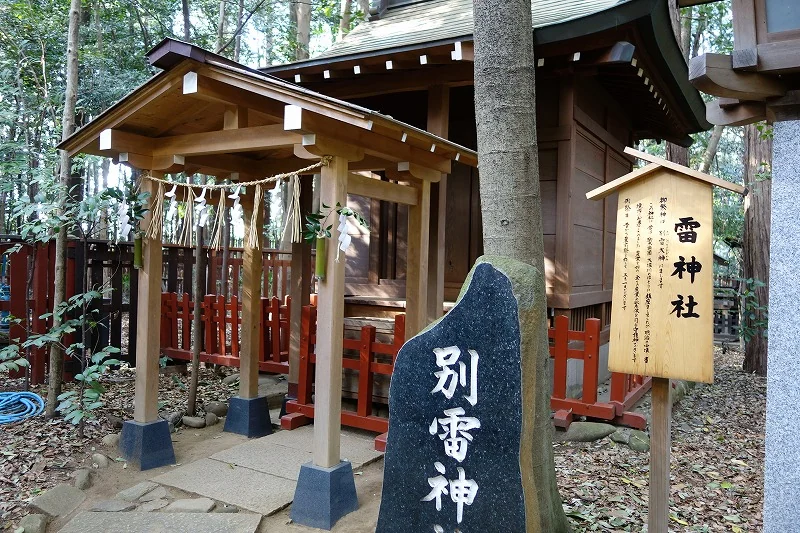
Sources and scope of verification
- What is Suwa Shrine? | Suwa Shrine, Komaki, Nagareyama City, Chiba Prefecture: Introduction to the divine crest and shrine
- Frequently Asked Questions | Suwa Shrine, Komaki, Nagareyama City, Chiba Prefecture: goshuin9-16:00, after 15:00 pre-written goshuin on a separate sheet, cash only, seasonal gates
- Suwa Shrine, Komaki, Nagareyama City, Chiba Prefecture: 5 minutes walk from Toyoshiki Station, 15 minutes walk from Nagareyama Otakanomori Station, parking lot
Official sources were checked on 2026-11-07. offering for goshuin alone/Same-day support for the festival day cannot be confirmed at this time. Designs, prices and arrangements shown in earlier photographs may have changed.
Goshuin and travel information has been checked against official and other cited sources, with unconfirmed points identified. Earlier photographs and personal experiences remain records of their original visits. Check the stated dates for limited designs.