Funabashi Daijingu, officially Ohi Shrine, stands in Miyamoto, Funabashi. Official directions now accompany the earlier goshuin photographs and visit account. It is within easy walking distance of Keisei Daijingushita Station.
Goshuin/Visit confirmation items for Funabashi Daijingu
- Name
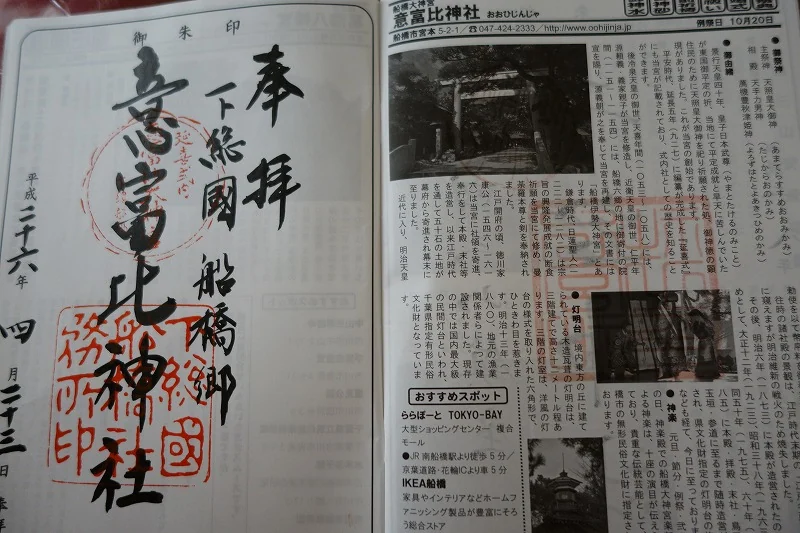
- Funabashi Daijingu is the familiar name of Ohi Shrine. The earlier goshuin photograph also shows calligraphy referring to the shrine's name.
- Goshuin information
- The official information checked did not confirm dedicated goshuin hours, offerings or inscription methods.
- Telephone
- 047-424-2333. The official telephone reception hours from 9:00 to 17:00 do not guarantee reception hours for goshuin.
- Parking lot
- Free, but limited in number. It cannot be used at night or for any purpose other than worship.
“Funabashi Daijingu” and “Ohi Shrine” are the same shrine
Funabashi Daijingu that you see on maps and station information and Ohi Shrine on the official website are the same shrine. Since the shrine name has an unusual reading, you can avoid confusion by checking the location, 5-2-1 Miyamoto, when searching for directions.
The opening image overlays a goshuin received in 2014, while the article includes photographs from around the grounds. The calligraphy and red seals record that visit, rather than showing today's issuing methods or offerings.
Precautions for visiting the shrine by train and by car
The nearest station is Daijingu-shita Station, which is a 3-minute walk away. If you're walking from JR Funabashi Station, it's about a 15-minute walk, so be sure to allow plenty of time for travel on the day you wish to receive goshuin.
The shrine asks visitors not to leave cars in its free car park while shopping elsewhere. At busy holiday times, check nearby paid parking and follow instructions within the grounds.
Access and location map
The official directions give a 3-minute walk from Keisei Daijingushita Station or a 15-minute walk from the south exit of JR Sobu Line Funabashi Station. Free parking is limited; the shrine also recommends public transport or nearby paid parking. The car park is closed off at night, so do not leave a car there while going elsewhere.
Location: 5-2-1 Miyamoto, Funabashi City, Chiba Prefecture.
Open Funabashi Daijingu on Google Maps/Check route
Previous visit records and photos (posted in 2014)
The following account preserves the original visit experience and historical introduction. The photographs and encounters at the counter date from that publication; they do not describe a new visit. Old access instructions have been replaced by the checked information above. Historical accounts and spiritual benefits are presented as traditions and beliefs.
The official name of this shrine is "Ohi Shrine", but it was founded very long ago and is widely known as "Funabashi Daijingu".
Enshrined deities
Main enshrined deity Amaterasu Omikami
Aiden, Ten-handed Power God, Yorozuhata Toyoakitsuhime no Mikami
History and traditions
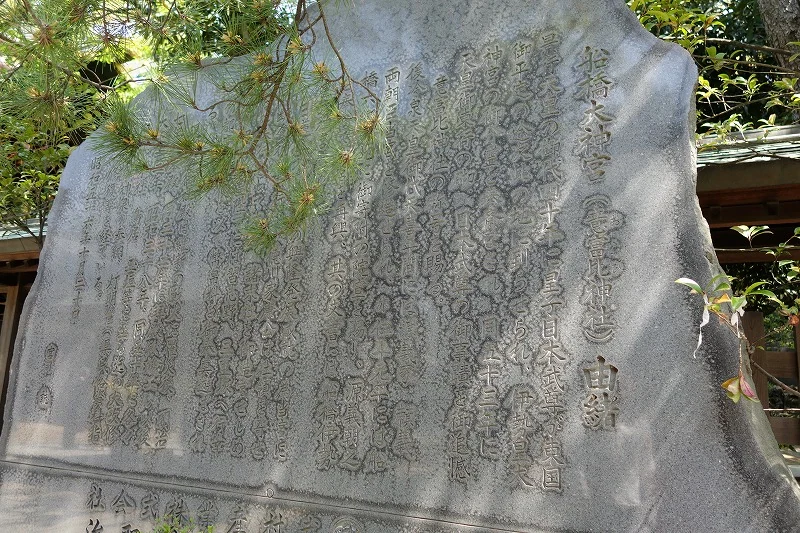
It is said that when Yamato Takeru visited this place, he enshrined Amaterasu Omikami to save people in trouble.
It seems that he had connections with the Genji and Tokugawa families.
What is “Ohi Shrine”?
There are theories that he is the god of food as “Osui”, and that he was the guardian deity of the ancient powerful Oho clan after the war.
There is also a theory that the original meaning of Ifuhijin is “Dainichijin”, that is, “great sun god”, as it has been deeply related to sun worship since ancient times.
Shinmon
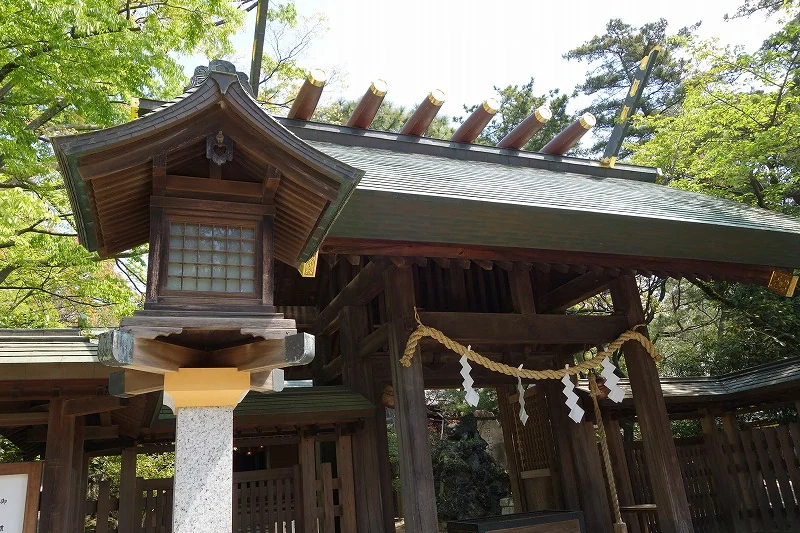
There is a worship hall and a main shrine in the back, but you can only enter when praying, and worship in front of this shrine gate.
During the Boshin War (Ichikawa-Funabashi War), the main shrine and other parts were burnt down, but it is said that it was rebuilt in the Meiji era.
Geku Toyouke Shrine
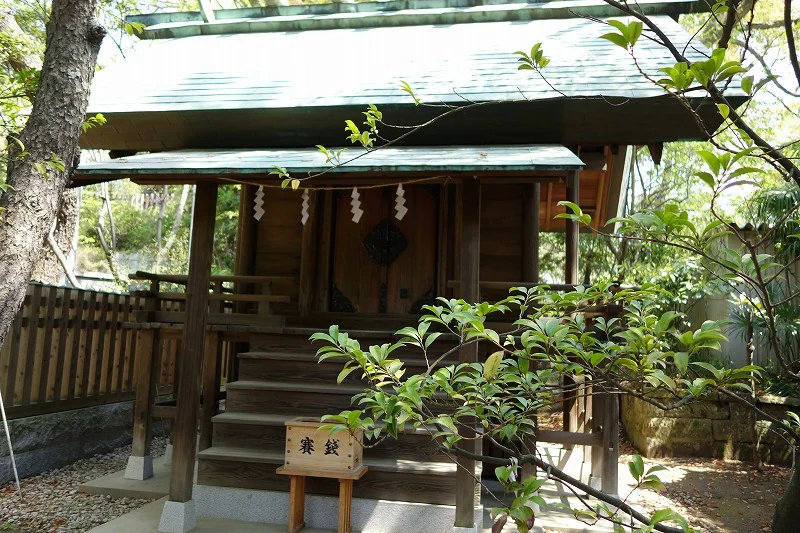
The enshrined deity is Toyouke Okami.
Enshrined at Ise Jingu's Toyouke Daijingu (Geku), this deity oversees Amaterasu Omikami's meals and is revered for abundant harvests and the necessities of food, clothing and shelter.
Setsha/Suesha
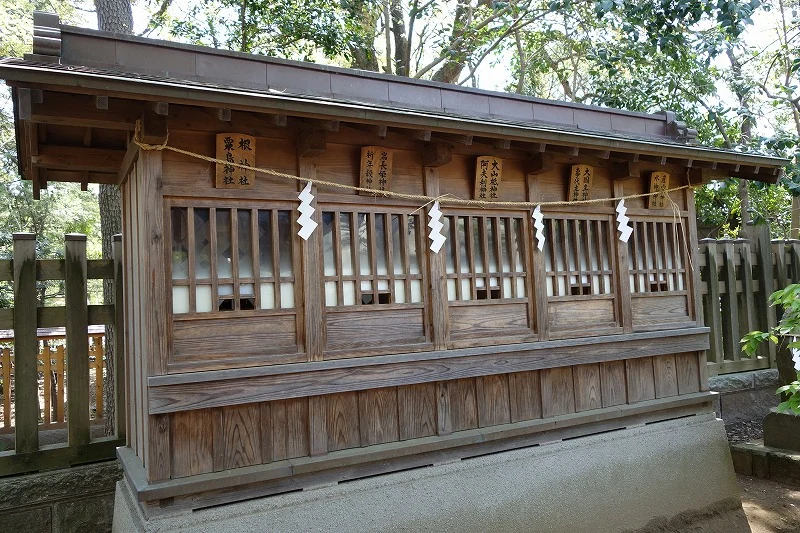
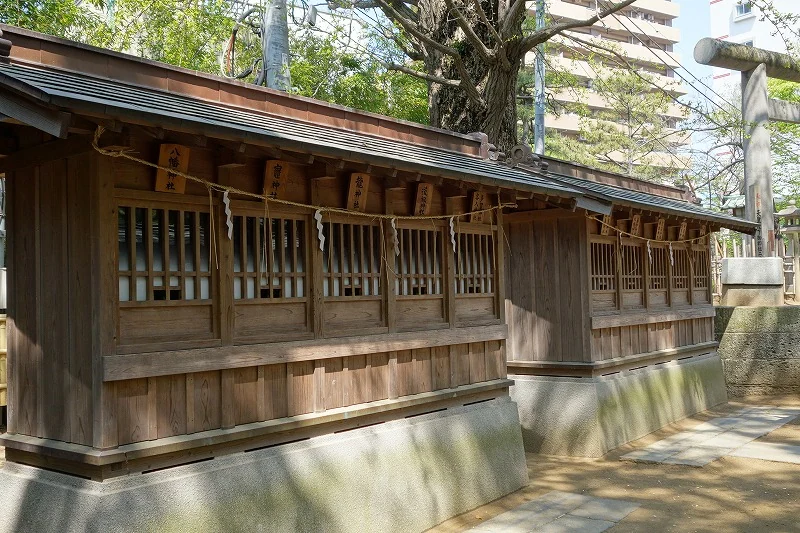
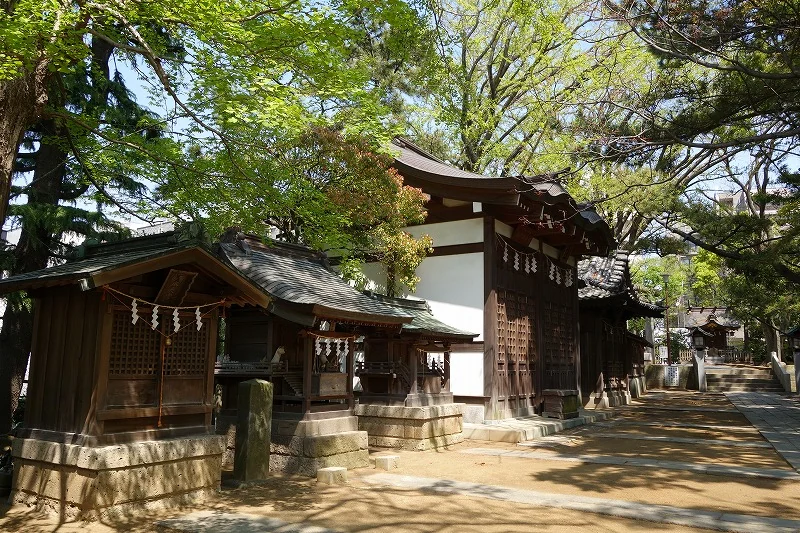
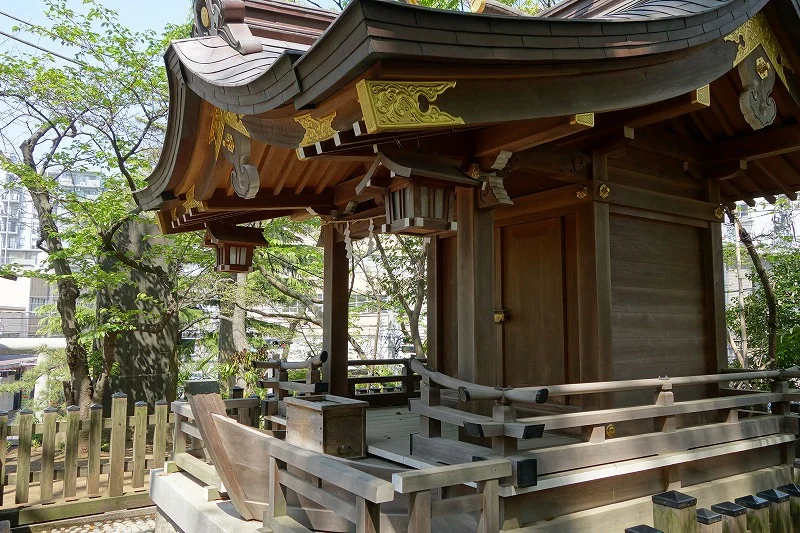
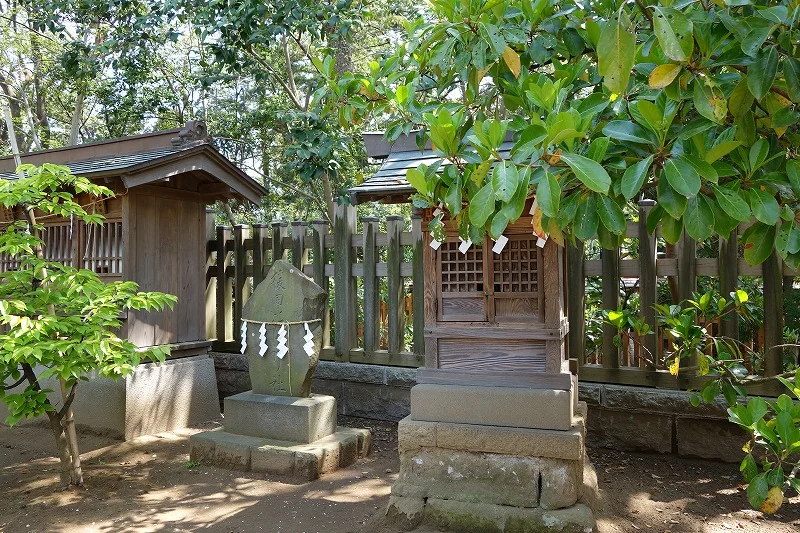
Suitengu Shrine, Inari Shrine, Akiba Shrine/Furumine Shrine, Yasaka Shrine, Yatsurugi Shrine, Kotohira Shrine.
Hachiman Shrine, Kamado Shrine, Ryu Shrine, Doso Shrine, Guest Shrine/Taga Shrine.
Iwashima Shrine/Sumiyoshi Shrine, Kosho Shrine/Kasuga Shrine, Katori Shrine/Kashima Shrine, Tamasaki Shrine/Awa Shrine, Tenmangu Shrine/Tenjin Shrine.
Lighthouse (Chiba Prefecture Tangible Folk Cultural Property)
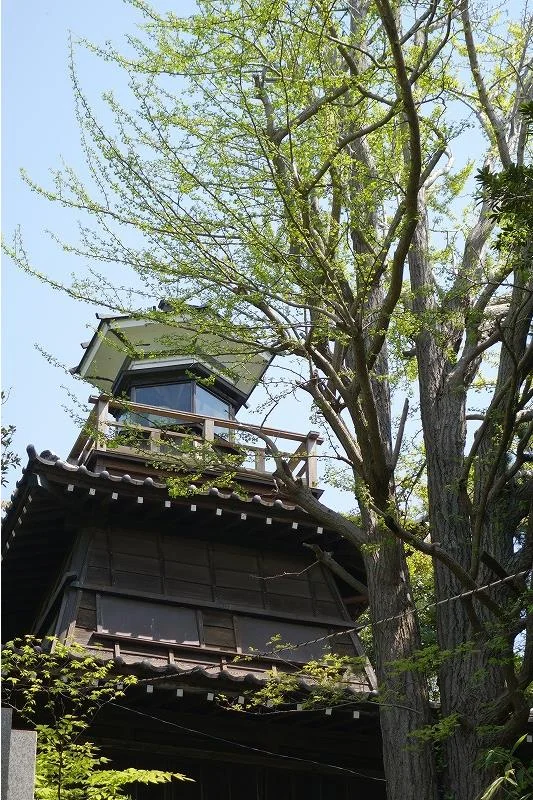
If you face the main shrine and go to the right, you will see a lighthouse on the top of the hill.
It is a three-story wooden building with a tiled roof and is approximately 12 meters high.
The lighthouse on the third floor has a hexagonal shape that incorporates the style of a Western-style lighthouse, giving it a modern feel.
Meiji 13 (1880) (1880), apparently built by local fishermen, but currently not in use.
It is usually closed to the public, but is open to the public on the third day of the New Year.
Notes from the visit
The 13th shrine in Shimousa Province on the Fusanokuni goshuin tour.
Sources and scope of verification
- Ohi Shrine Funabashi Daijingu Official Website: Confirmation of the official name and common name of the shrine
- Inquiries/Transportation - Ohi Shrine Funabashi Daijingu Official Website: Location, estimated walking distance from the station, free parking usage conditions, phone reception hours
Official sources were checked on 2026-11-07. Dedicated goshuin hours, offerings and the availability of handwritten or separate-sheet goshuin on the day remain unconfirmed. Earlier photographs do not guarantee today's designs, prices or service.
Goshuin and travel information has been checked against official and other cited sources, with unconfirmed points identified. Earlier photographs and personal experiences remain records of their original visits. Check the stated dates for limited designs.