Maehara Mitake Shrine in Funabashi offers regular and monthly goshuin. Self-stamping during a priest's absence, described in the older article, was an experience at that time. This guide uses the current official policy for hours and unattended days.
Goshuin/Visit confirmation items for Maehara Mitake Shrine
- Reception hours
- Goshuin's official page states that it is open from 9:30 to 15:30.
- offering
- The year-round goshuin requires an offering of ¥500; the monthly special requires ¥1,500.
- Absence
- The official notice explains that the counter may be unattended. In that case, a separate-sheet goshuin may be supplied, your book held for later collection, or postal delivery arranged. Come prepared with the necessary means of postal return if requesting that option.
- Monthly example
- November 2026 is “Kami Kaede”. It is not always possible to receive limited red stamps from other months or from the past.
Do not incorporate past experience with self-imprinting into the current procedure.
In the original article from 2014, there was an experience of stamping the seal by oneself in the absence of a priest. The current official page provides information on pre-written goshuin on a separate sheet and delivery at a later date. Don't think you can still push yourself because of past experiences.
Confirm the procedure for leaving your goshuin book or requesting later delivery when you visit. The grounds themselves may be closed when the priest is absent, so enquire beforehand if travelling from far away.
Choose regular goshuin and seasonal design
In addition to the year-round distribution, the official goshuin introduction also lists past information on monthly specials and collaborations. Check the current month display to make sure you don't confuse old limited offers with today's distribution.
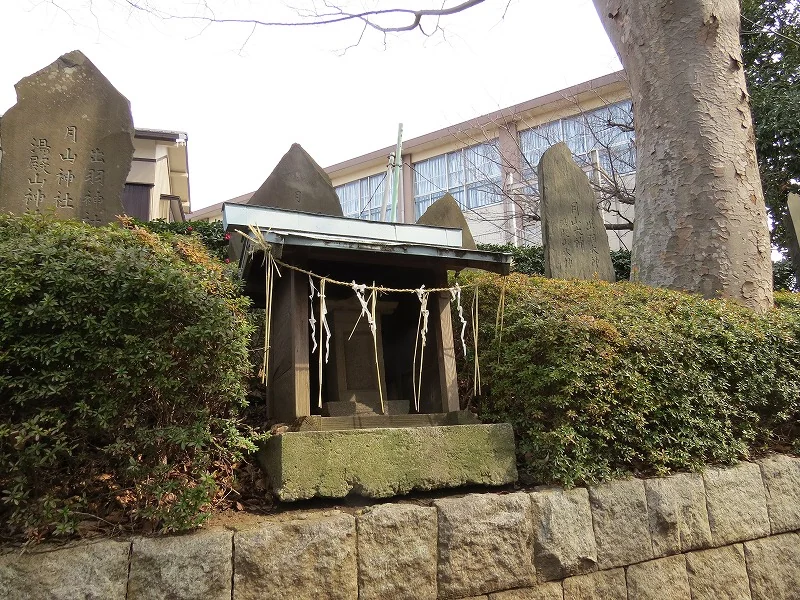
The official site introduces the deity enshrined and the history related to Zao Gongen. The actual photo at the beginning is a 2014 ink calligraphy, and is not the current monthly goshuin photo. Please take a look at the photos of the temple grounds as a record of the faith that is rooted in this area.
Access and location map
Official information says it is a 6-minute walk from Maehara Station. From JR Tsudanuma Station, you can also take a bus bound for Kita-Narashino Station to Mitake Shrine, but please check the latest information from the operating company for routes, stops, and times. The official information is that there are 12 parking spaces available for visitors.
Location: 5-43-1 Maehara Higashi, Funabashi City, Chiba Prefecture.
Open Maehara Mitake Shrine on Google Maps/Check route
Previous visit records and photos (posted in 2014)
The following account preserves the original visit experience and historical introduction. The photographs and encounters at the counter date from that publication; they do not describe a new visit. Old access instructions have been replaced by the checked information above. Historical accounts and spiritual benefits are presented as traditions and beliefs.
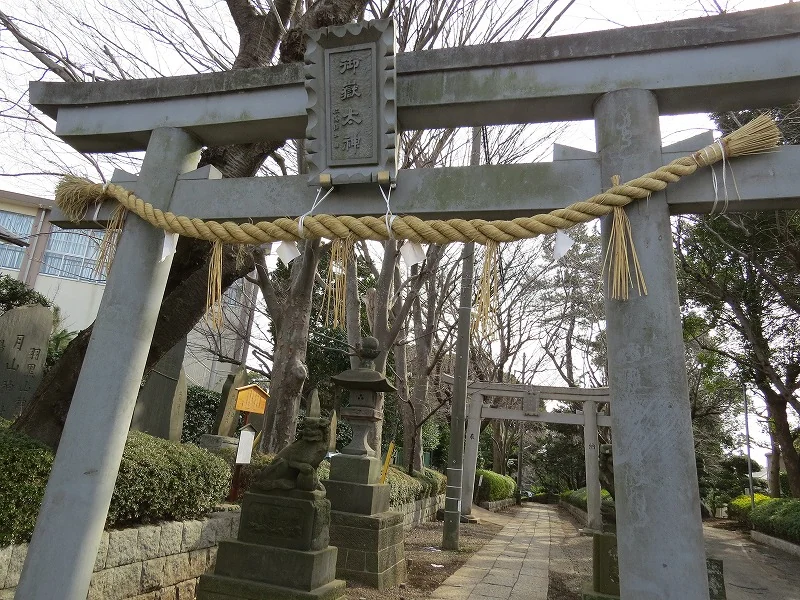
This shrine is located along National Route 296. The deity enshrined is Susanoo no Mikoto, and the object of worship is Zao Gongen.
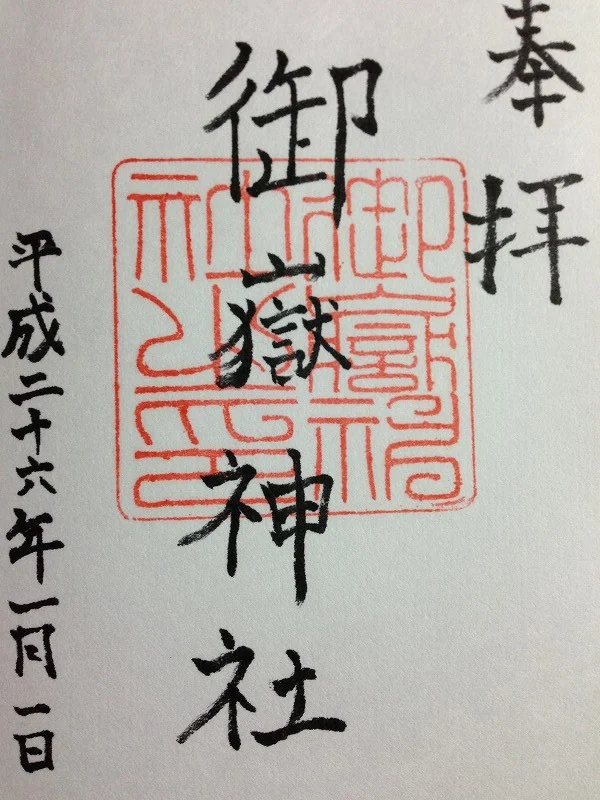
The priest is usually absent (perhaps under the jurisdiction of Ninomiya Shrine?), and a staff member who manages the shrine office during the day will respond to goshuin with a stamp.
I requested this during festivals such as New Year's and Setsubun, and was able to get the seal stamped by the priest who was free at that time.
Mitake Shrine
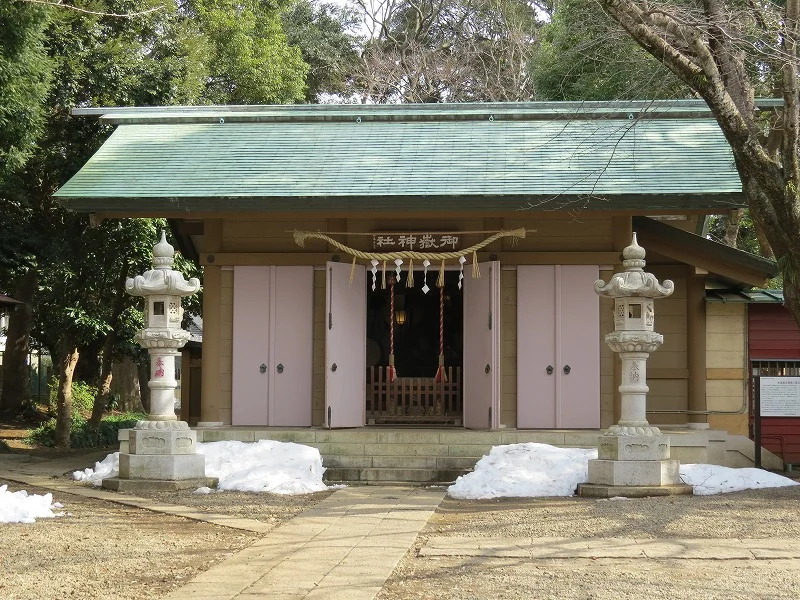
The enshrined deity is Susumeison, and it is said that it originated from the Edo period when Zao Gongen, which was enshrined in Yamato Province, was transferred and called Zao Gongen.
During the Meiji Restoration, due to the separation of Shinto and Buddhism, the name Zao Gongen was abolished and renamed to Mitake Shrine, which remains the name to this day.
Zao Gongen Triad Statue
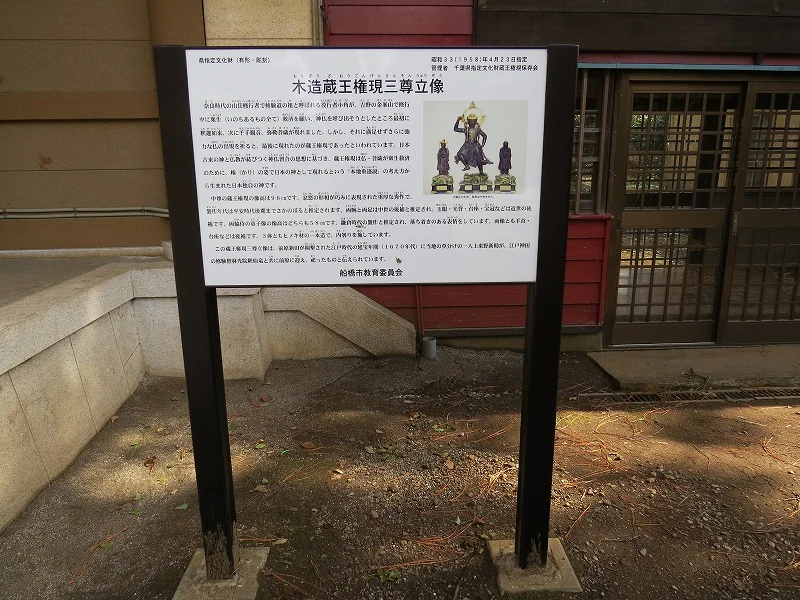
The Zao Gongen statue in the center is said to have been created in the late Heian period, and is said to be an excellent work depicting an angry figure.
I have never seen it because it is a hidden Buddha. . . disappointing.
What is Zao Gongen?
According to the tradition, En no Ozunu was training on Mount Kinpu and called on Buddhist deities to help save living beings. Shakyamuni, Thousand-Armed Kannon and Maitreya appeared in turn, but he sought a more forceful manifestation; Zao Gongen then appeared.
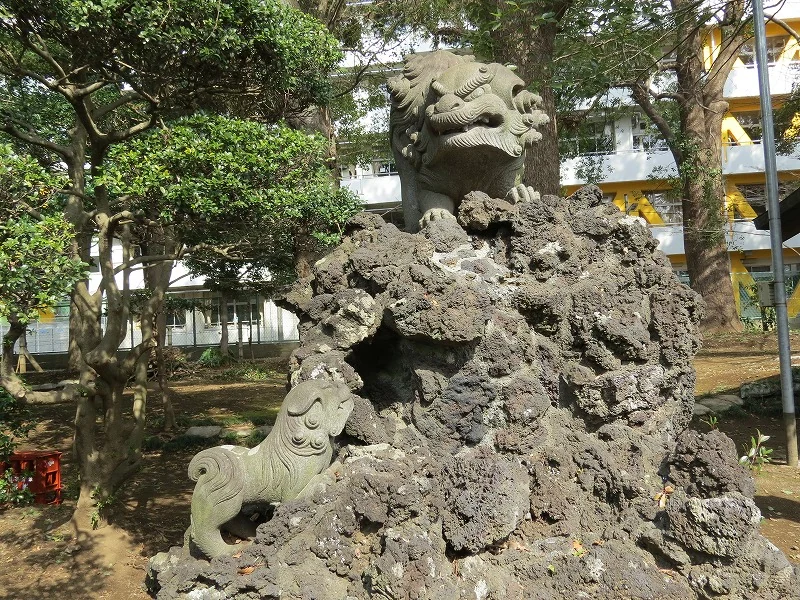
Zao Gongen is a distinctly Japanese deity associated with Shinto–Buddhist syncretism and honji suijaku, the teaching that Buddhist deities may appear as kami to guide and save living beings.
~From Zao Gongen Explanation Board~
Sanyo Pine
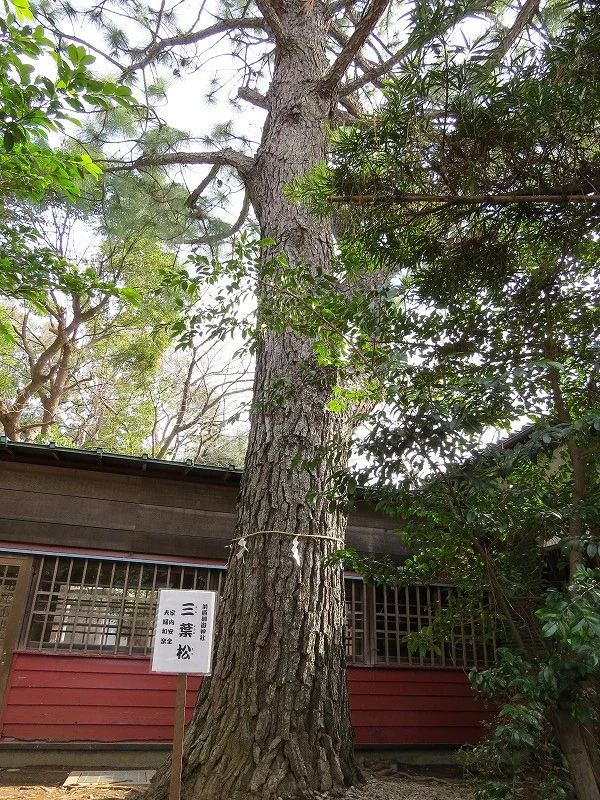
The Sanyo pine tree on the right side of the large cherry blossoms in the worship hall is said to be a symbol of [marital peace] and [family safety].
It is said that if you pick up fallen golden leaves and wear them, you will be blessed with good luck with money.
Water Shrine
Water Shrine was enshrined halfway down the approach to the shrine on the right.
Notes from the visit
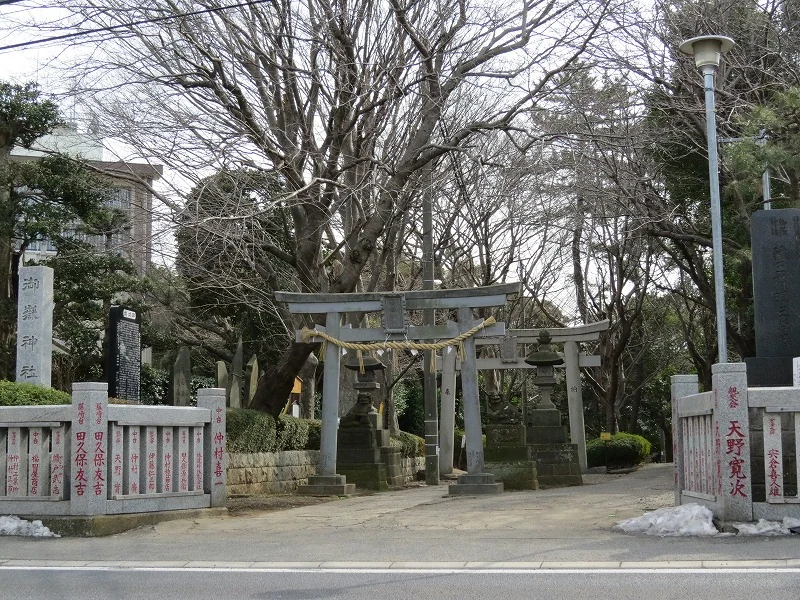
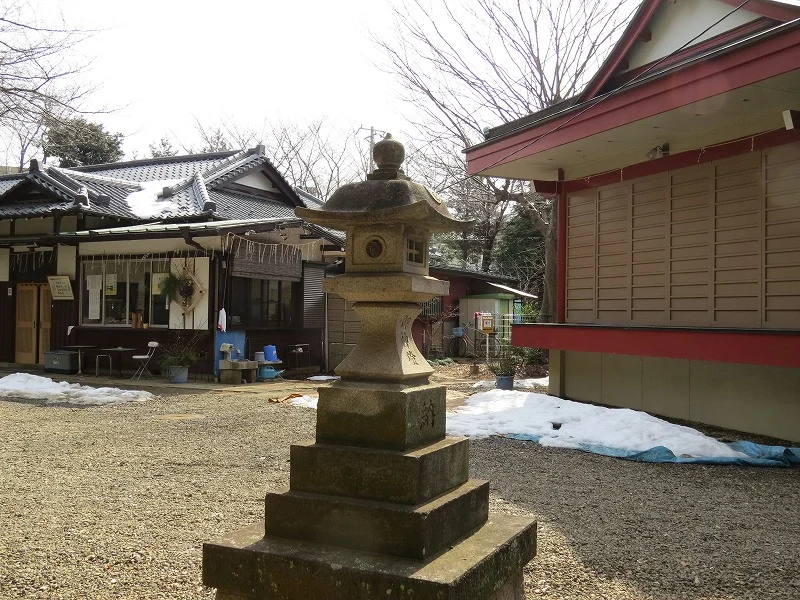
The grounds are lush with greenery, and there are many cherry blossoms planted next to the torii gate, on the approach, in the parking lot, and in front of the main shrine.
Sources and scope of verification
- Maehara Mitake Shrine Official|Awarded item/goshuin: Normally 500 yen, monthly change 1,500 yen, reception 9:30-15:30, response in case of absence, information for November 2026
- Maehara Mitake Shrine Official|Shrine and transportation information: Location: 6 minutes walk from Maehara Station, 12 parking spaces, historic location
Official sources were checked on 2026-11-07. At this time, we have not been able to confirm the presence of the Shinto priest on the day of the visit and the reception method/limited goshuin on the day. Designs, prices and arrangements shown in earlier photographs may have changed.
Goshuin and travel information has been checked against official and other cited sources, with unconfirmed points identified. Earlier photographs and personal experiences remain records of their original visits. Check the stated dates for limited designs.