Suehiro Shrine is one of the Nihonbashi Seven Lucky Gods shrines located in Nihonbashi Ningyocho. The previous goshuin has Bishamonten written in large ink. The shrine name is the official notation "Suehiro Shrine", and we have summarized the things to check before requesting goshuin.
Goshuin/Visit confirmation items for Suehiro Shrine
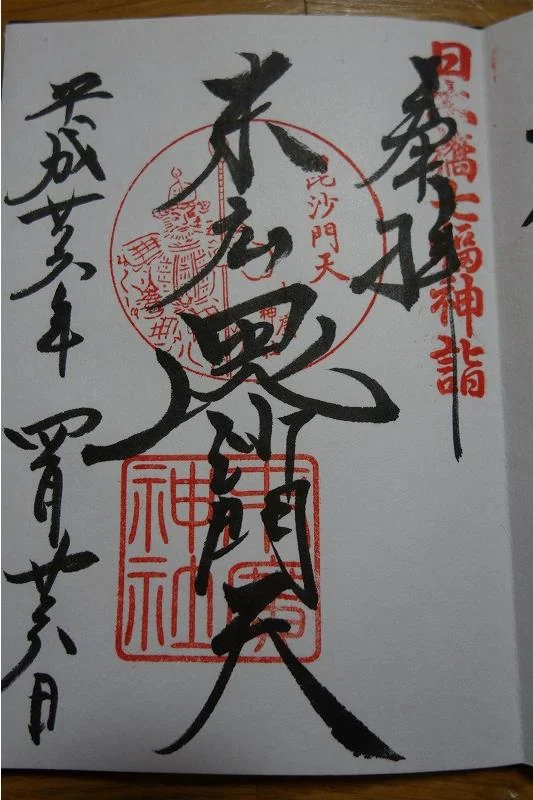
- Goshuin Photo
- I am posting an ink calligraphy of Bishamonten that I received in 2014. This photo does not represent the current design or acceptance conditions.
- Shrine name
- The official shrine name is "Suehiro Shrine". It is also known as "Suehiro Shrine".
- Conditions for goshuin
- The dedicated reception hours, offering, and method of issuing goshuin could not be confirmed on the official page we checked this time.
- Prayer and goshuin
- The amount listed in the official prayer/bestowal information is for amulets, etc. Please distinguish it from the amount of goshuin.
Bishamonten goshuin and Nihonbashi visit account
The posted goshuin has Bishamonten's ink calligraphy and red stamp overlapping. This is an example of a record of past worship visits on this site. We do not ask you to specify the same design or brushstrokes.
The Nihonbashi Seven Lucky Gods route may have New Year-only offerings or special arrangements. A regular shrine goshuin and a Seven Lucky Gods shikishi board may follow different rules, so specify which you would like.
Because it is a small shrine, check the availability of the counter.
The official website describes it as a small shrine where each group prays. If you are visiting for the purpose of goshuin, please be aware that festivals and prayers may take priority, so please allow plenty of time.
Multiple amulets are introduced on the gift item page, but we avoided estimating the amount of goshuin from the offering and posting it. If you wish to record goshuin book, please check with the counter along with how to proceed.
Access and location map
The shrine is at 2-25-20 Nihonbashi Ningyocho. Look for its name and entrance among the surrounding buildings when following the Seven Lucky Gods route. Call 03-3667-4250 to enquire about goshuin on the day.
Location: 2-25-20 Nihonbashi Ningyocho, Chuo-ku, Tokyo.
Open Suehiro Shrine on Google Maps/Check route
Previous visit records and photos (posted in 2014)
The following account preserves the original visit experience and historical introduction. The photographs and encounters at the counter date from that publication; they do not describe a new visit. Old access instructions have been replaced by the checked information above. Historical accounts and spiritual benefits are presented as traditions and beliefs.
This shrine was worshiped as the landowner and guardian deity of the red-light district [Yoshiwara] during the Edo period, and is also one of the Nihonbashi Seven Lucky Gods shrines, where "Bishamonten" is also enshrined.
History and traditions
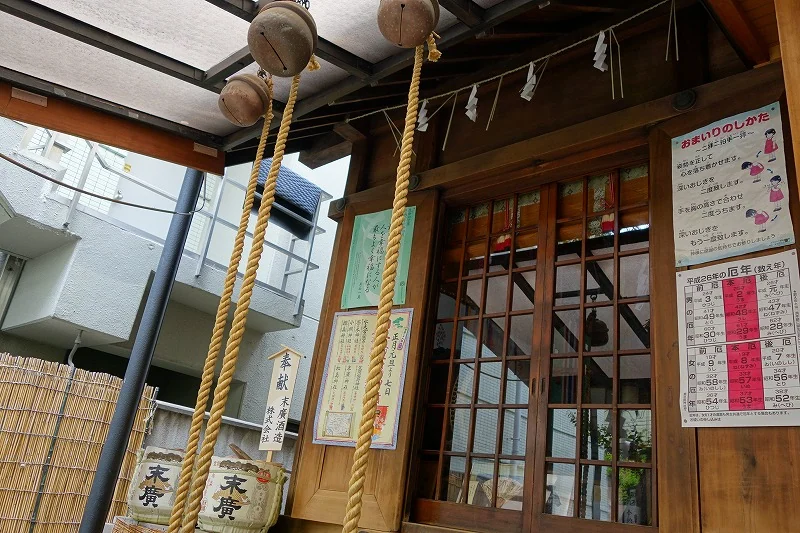
Enshrined deity: Uganomitama no Mikoto = Inari
Bishamonten
It has been enshrined as an "Inari Shrine" for about 400 years, and during the Edo period, the surrounding area was developed and the people who flourished in the red-light district "Yoshiwara" worshiped it as a landowner deity.
Later, after Yoshiwara was relocated due to the Great Fire of Meireki, it is said that he was worshiped as the local deity of Ningyocho.
Good luck, prosperous business, warding off disasters, healing from illness
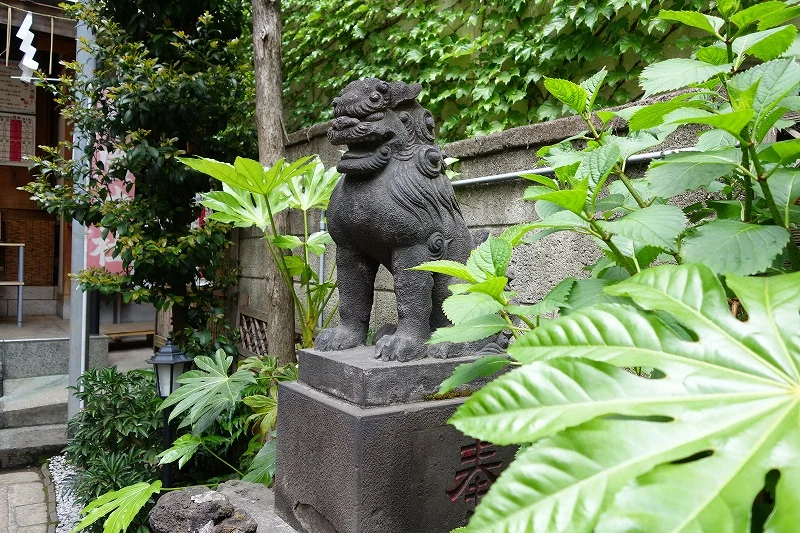
When the shrine building was restored in 1675, a “Chukei” (Suehiro fan) was discovered from the main shrine, so the name “Suehiro” was named after it.
Therefore, it began to be called "Suehiro Shrine" about 330 years ago.
Due to the auspicious name of the company, it is said to have the divine virtue of good luck, prosperous business, warding off misfortune, and healing illness.
Notes from the visit
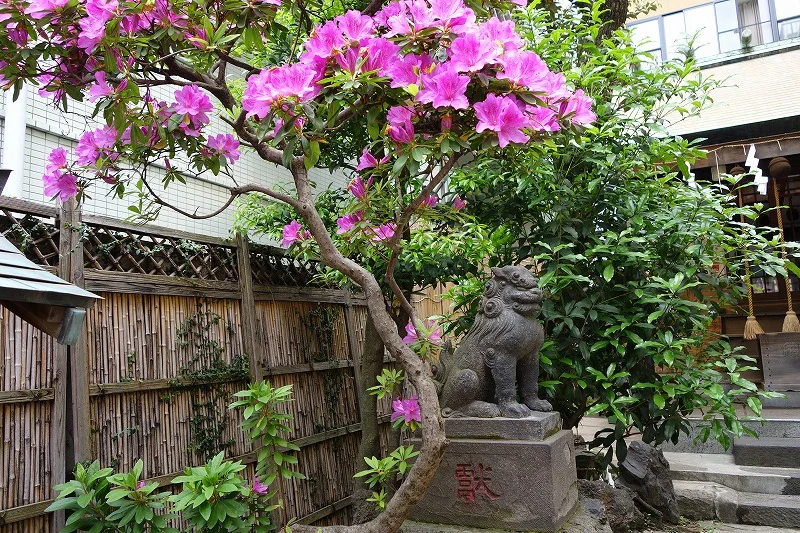
Bishamonten, one of the pillars of Nihonbashi Seven Lucky Gods, can only be opened and viewed during the Seven Lucky Gods tour from the 1st to the 5th of the New Year.
You can usually see the photo in front of the shrine along with the Suehiro fan.
Goshuin seems to be available at the shrine office next to the shrine, but it was closed.
There was a sign on the glass door telling me to use the intercom, so I was able to do so.
Two goshuin were available: the shrine's own and one for Bishamonten. I asked for the shrine design, but while we were talking about Bishamonten, the staff explained that they had accidentally stamped his design instead.
I had intended to receive Bishamonten's goshuin on a later Seven Lucky Gods visit, but took this as a welcome connection with him and looked forward to returning.
Sources and scope of verification
- Top page | Suehiro Shrine: Official shrine name, location, contact information, introduction of Bishamonten and Nihonbashi Seven Lucky Gods
- Gifts/prayer | Suehiro Shrine: Prayer guide and gift. Different from the price of goshuin
Official sources were checked on 2026-11-07. The reception hours for goshuin and same-day service for offering/goshuin handwritten directly in your book/pre-written goshuin on a separate sheet cannot be confirmed at this time. Designs, prices and arrangements shown in earlier photographs may have changed.
Goshuin and travel information has been checked against official and other cited sources, with unconfirmed points identified. Earlier photographs and personal experiences remain records of their original visits. Check the stated dates for limited designs.